How digital payments are changing travel for international tourists
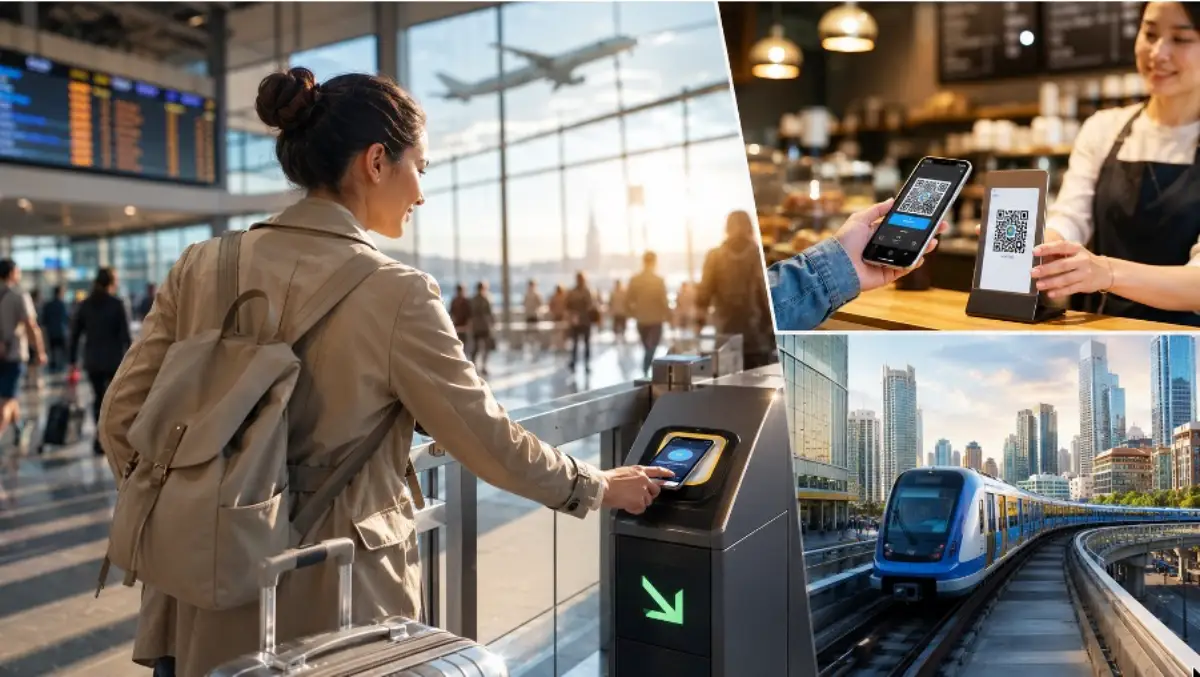
Digital payment systems are reshaping travel for international tourists, with seamless smartphone-based transactions becoming essential for smooth experiences. Cities like Amsterdam and Seoul are adopting open-loop payment solutions to reduce friction, while global tourism growth highlights the need for visitor-friendly payment infrastructure.
Digital payments are transforming travel for international tourists, replacing traditional cash withdrawals with card taps, phone-based transactions, and QR codes. The shift is most noticeable when systems fail—rejected foreign cards, local-only wallets, or apps requiring domestic phone numbers disrupt visits. With UN Tourism reporting a 2% rise in international arrivals (307 million in Q1 2026) and travel contributing $11.6 trillion to global GDP in 2025, even minor payment barriers can frustrate travelers, pushing them toward familiar options like hotel shuttles over public transport. The smartphone now centralizes travel logistics, from boarding passes to payments, with 78% of passengers preferring integrated digital wallets, passports, and loyalty cards, per IATA’s 2025 survey. Airlines and airports have streamlined processes, but challenges persist post-arrival—visitors often face hurdles using phones for taxis, SIM cards, or transit without local-specific setups. Cities like Amsterdam demonstrate success with open-loop payments: OVpay allows bank cards or wearables for transit, handling 500,000 daily trips. Seoul is expanding EMV-based open-loop payments for tourists, aiming to reduce barriers as arrivals exceed 20 million in 2025. Public transport serves as a critical test for visitor-friendly systems. In the Netherlands, OVpay eliminates the need for separate transit cards, while Seoul’s adoption of global card compatibility addresses a key pain point for travelers. Contrastingly, China’s payment ecosystem, heavily reliant on domestic apps like Alipay or WeChat Pay, poses challenges for foreigners without local accounts. The disparity underscores a growing divide: cities efficient for residents may remain cumbersome for visitors unless payment systems explicitly accommodate international tourists. The trend reflects broader expectations—travelers no longer tolerate fragmented processes, demanding seamless transitions between booking, identification, and payment. While airports lead in integration, cities must adapt to ensure smooth experiences from arrival onward. The shift toward open-loop solutions and global card acceptance signals progress, but gaps remain, particularly in regions where digital infrastructure prioritizes local convenience over visitor accessibility.
This content was automatically generated and/or translated by AI. It may contain inaccuracies. Please refer to the original sources for verification.