How humanoids learn to read the room
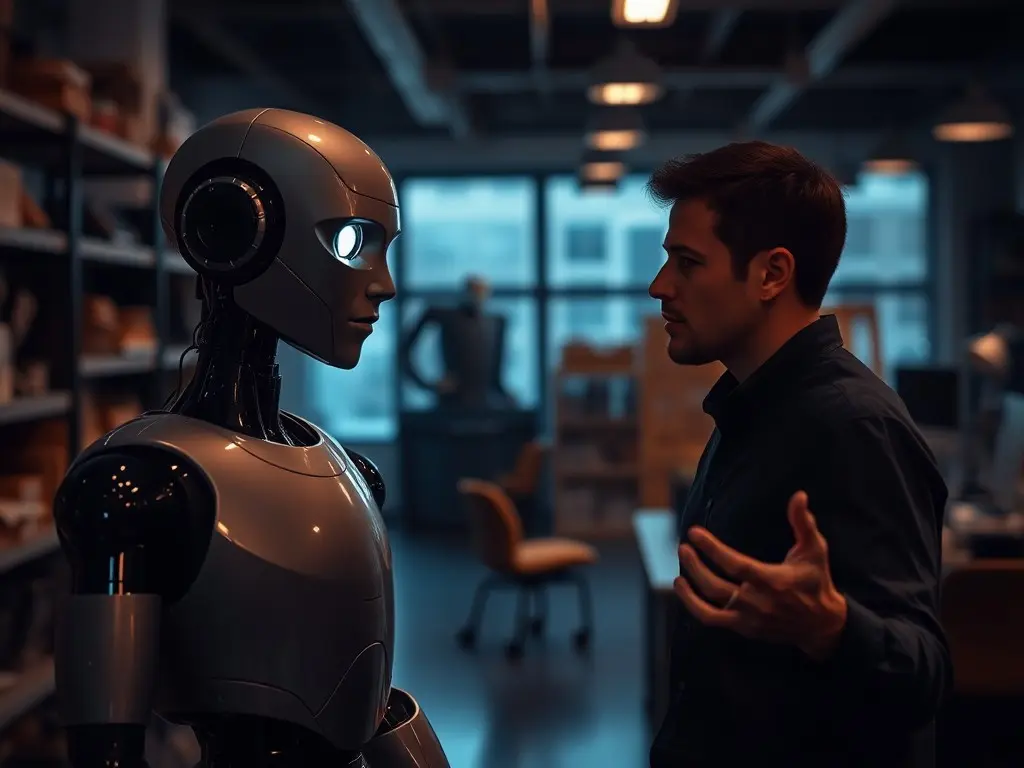
Humanoid robots must integrate advanced vision, audio, and processing systems to safely interact with humans in shared environments, requiring real-time data handling and local AI for quick decision-making. Experts like Geir Ostrem of Analog Devices emphasize the need for trust, unpredictability management, and clear communication to prevent accidents as labor shortages drive robot adoption in human spaces.
Humanoid robots face significant challenges in mimicking human-like environmental awareness, requiring seamless integration of movement, balance, vision, and reactivity. Unlike humans, who process vast sensory inputs instinctively, robots must rely on sensors, data processing, and AI to interpret surroundings in real time—critical for avoiding collisions or harm in shared spaces. Geir Ostrem, Analog Devices Fellow, highlights the necessity of trust and clear communication between humans and robots to navigate unpredictability and prevent misunderstandings that could lead to unsafe interactions. Vision is foundational for situational awareness, with robots needing RGB sensors and depth perception (via time-of-flight or stereo vision) to react dynamically. Processing visual data efficiently is equally vital, as transmitting large volumes through cables adds weight and limits mobility. Solutions like Analog Devices’ Gigabit Multimedia Serial Link (GMSL) enable real-time, high-speed data transfer, allowing local AI to process visual inputs directly within the robot rather than relying on cloud-based systems. This reduces latency and enhances functional safety, particularly for fast-moving tasks like motor control. Audio capabilities are equally essential for collaboration, enabling natural language communication and environmental sound detection. A robot must identify acoustic events—such as objects falling—to respond appropriately, reinforcing its role as a proactive, intuitive partner. Ostrem notes that conversational interfaces and intelligent hearing are key to fostering seamless human-robot interaction, reducing reliance on physical cues alone. As labor shortages accelerate the integration of robots into human workspaces, safety and efficiency become paramount. Robots must operate predictably while adapting to human behavior, requiring redundant systems and localized processing to minimize risks. Technologies like GMSL address these needs by enabling fast, reliable data handling, ensuring robots can perceive, interpret, and act in tandem with people without compromising safety or performance.
This content was automatically generated and/or translated by AI. It may contain inaccuracies. Please refer to the original sources for verification.