How illegal factories are undermining China’s solar overcapacity crackdown
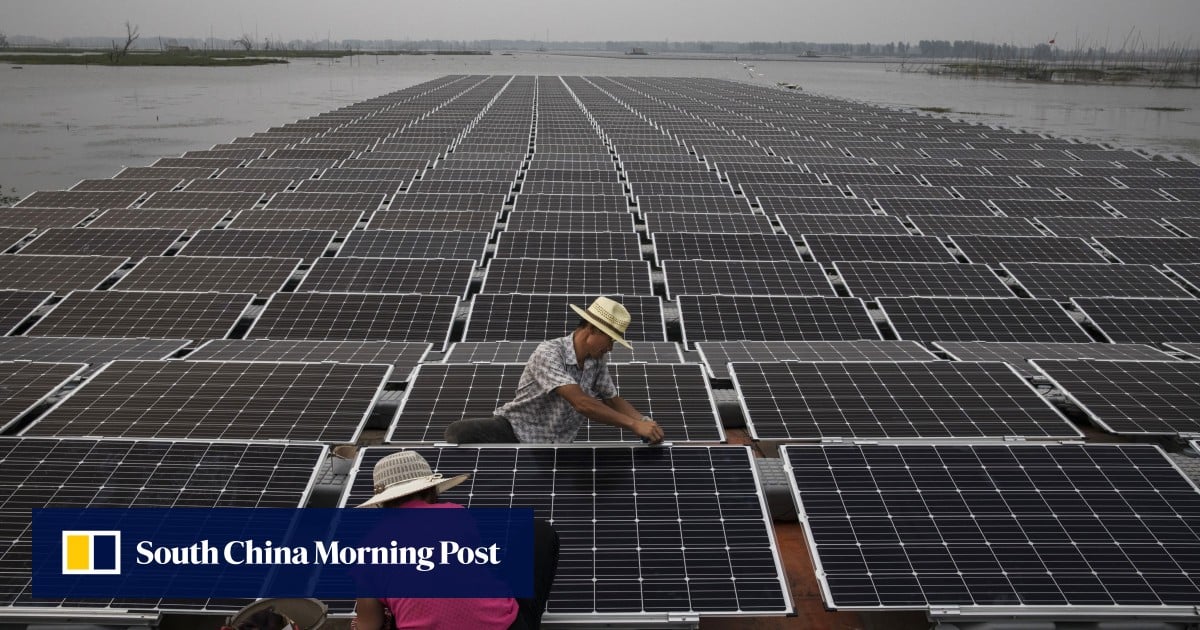
China’s solar industry overcapacity crackdown faces challenges as illegal factories continue operating despite strict quotas, with production exceeding permitted levels by 5% to 10%, according to an industry insider. Local governments and profit-driven firms are enabling illicit expansions, undermining Beijing’s efforts to stabilize prices and protect domestic firms.
China’s campaign to curb solar industry overcapacity has been undermined by illegal factories operating without permits, an industry insider revealed. Despite Beijing’s enforcement of strict capacity quotas—reducing solar glass production capacity from nearly 130,000 tonnes per day in 2024 to just over 80,000—some factories bypassed rules by expanding beyond approved limits or securing tacit local government support. The insider, from the Chinese Architectural and Industrial Glass Association, estimated that illicit production lines have inflated China’s solar glass output by 5% to 10%. Local governments often prioritize economic growth and tax revenue, allowing high-tech firms to operate without full compliance, the source said. A 2020-2021 price surge—where solar glass prices peaked at 40 yuan ($6) per square meter—fueled a speculative boom, drawing firms with no glass manufacturing experience into production. Costs at the time were around 13 yuan per square meter, leaving producers with substantial profit margins. Beijing’s Ministry of Industry and Information Technology has imposed tough policies to address overcapacity, which has triggered price wars and losses for domestic firms. However, illegal expansions persist, threatening the stability of China’s solar supply chain and global market competition. The insider noted that many factories ignored quotas entirely, either by avoiding approvals or exceeding permitted capacity. Local officials, eager to attract investment, often turned a blind eye, complicating Beijing’s efforts to enforce uniformity across the industry.
This content was automatically generated and/or translated by AI. It may contain inaccuracies. Please refer to the original sources for verification.