How machine vision, intelligent sensing, and edge AI are powering smart factory
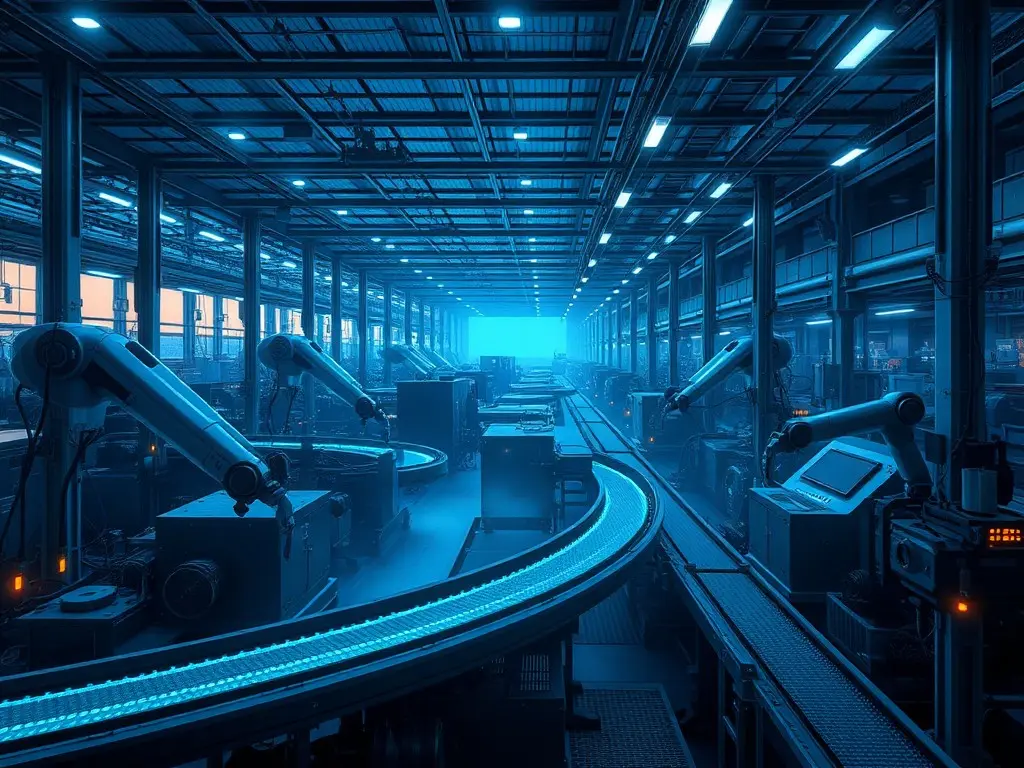
The smart factory concept is transforming manufacturing by integrating machine vision, intelligent sensing, and edge AI to enable real-time adaptability and problem-solving. These technologies address challenges like supply chain volatility, labor shortages, and quality demands by providing context-aware automation beyond rigid rule-based systems.
Manufacturing faces growing pressures from supply chain disruptions, energy costs, and labor shortages, pushing factories toward smarter automation. Traditional systems rely on predefined logic and struggle with variability, leading to costly manual interventions when processes drift or equipment degrades. The smart factory model combines machine vision, intelligent sensing, and edge AI to create adaptive, real-time production environments. Machine vision has evolved from basic inspection tools to advanced systems capable of interpreting complex scenes and adapting to changes in lighting, materials, or product designs. Modern vision systems use learning-based techniques to distinguish acceptable variations from defects, reducing retraining needs and improving downstream decision-making. Beyond quality control, these systems guide robots, ensure traceability, and enhance safety by monitoring unsafe conditions. Intelligent sensing extends automation by measuring parameters like vibration, temperature, and torque, providing deeper insights into machine behavior. Unlike passive sensors, modern versions embed local processing to filter signals, detect anomalies, and reduce data transmission. This shift enables factories to respond faster to issues like equipment degradation or process inefficiencies. Edge AI complements these technologies by processing data locally, minimizing latency and bandwidth use. It allows factories to act on insights in real time, whether adjusting production lines or predicting maintenance needs. Together, these innovations enable smarter, more flexible manufacturing that meets today’s demands for customization and resilience.
This content was automatically generated and/or translated by AI. It may contain inaccuracies. Please refer to the original sources for verification.