How Neighborhood Amenities and Infrastructure May Slow Cognitive Decline Among Older Immigrants
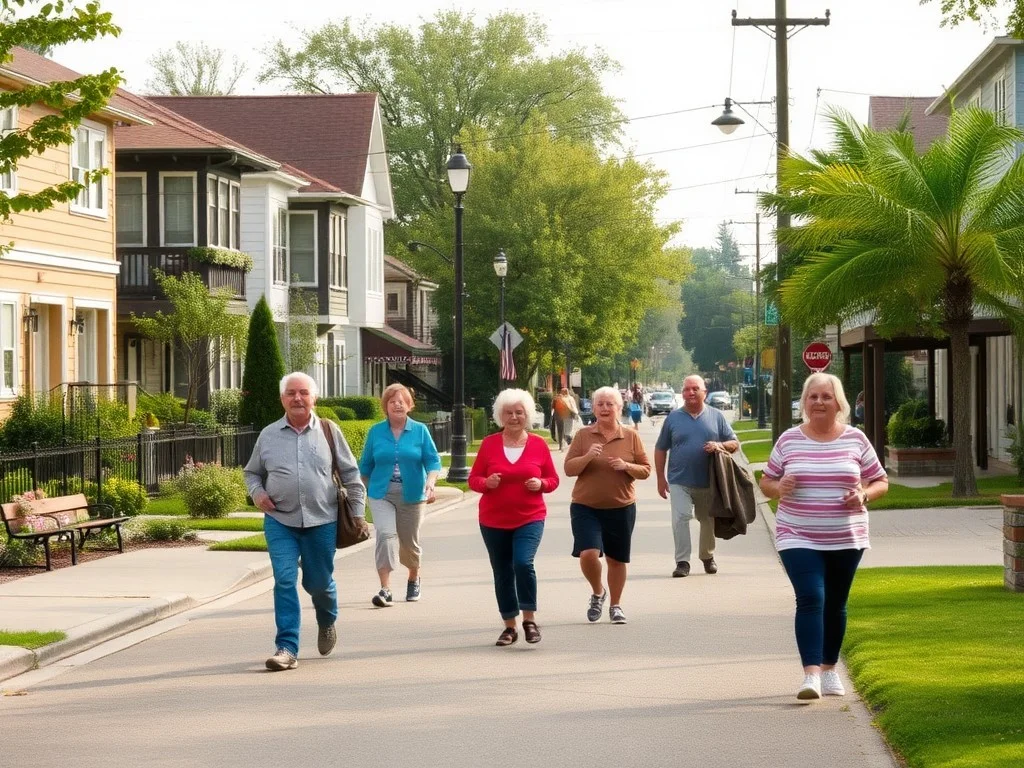
A Rutgers Health study found that older Chinese immigrants living in neighborhoods with greater access to community amenities and supportive infrastructure experienced slower cognitive decline. The study suggests that community environments can play a crucial role in preserving cognitive health later in life, particularly for immigrant populations.
Rutgers Health researchers studied the impact of neighborhood amenities on cognitive decline among older Chinese immigrants. They found that individuals living in areas with more museums, libraries, health services, and internet access experienced slower cognitive decline over time. The study examined data from 2,763 Chinese immigrants ages 60 or older in the Greater Chicago area. Researchers developed a 'Cognability Neighborhood Index' to capture the effects of neighborhood environments. The index reflected the availability of amenities and services that support cognitive health. Participants living in neighborhoods with higher index scores experienced significantly slower rates of cognitive decline.
This content was automatically generated and/or translated by AI. It may contain inaccuracies. Please refer to the original sources for verification.