How official heat plans are failing India’s street vendors
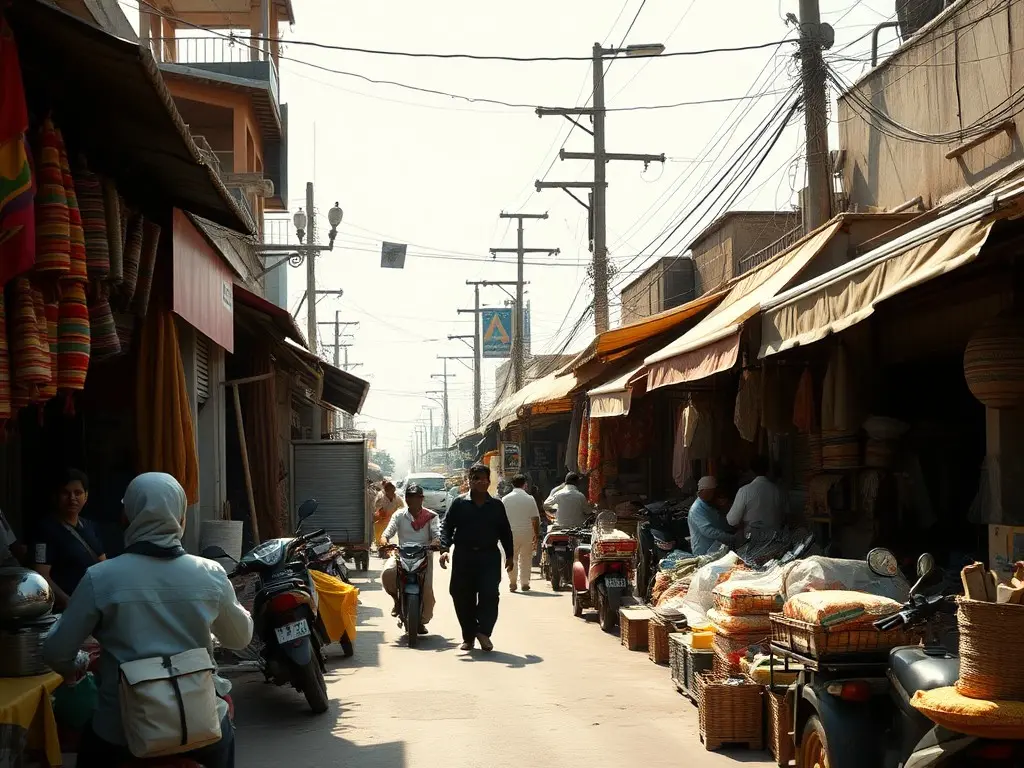
A study by Prayas (Health Group) in Pune found that India’s street vendors, including those in Pune, face severe heat stress due to inadequate official heat action plans, despite rising temperatures breaching 40°C. Vendors report dehydration, high blood pressure, and lost workdays, with limited access to water, shade, or healthcare, while advisories like avoiding afternoon work are impractical for their livelihoods.
Street vendors in Pune, India, endure extreme heat stress as temperatures frequently exceed 40°C, yet official heat action plans fail to address their daily challenges, according to a study by Prayas (Health Group) released in April. The research, based on interviews with 385 vendors in summer 2025, highlights that while policies mention vulnerable groups, they lack provisions for water, shade, or healthcare access—key needs for informal workers facing fines and eviction risks. Vendors describe their work as a high-stakes gamble, with heat effects normalized as 'discomfort' rather than illness, despite symptoms like dehydration, dizziness, and high blood pressure. Many, especially women, avoid drinking water due to inadequate or unsanitary toilet facilities, while lost earnings force them to work despite health risks. The study found that those perceiving heat as 'very troublesome' reported severe cardiovascular, respiratory, and gastrointestinal issues, often requiring private medical care. Pune’s heat stress has worsened over the past decade, with rising daytime and nighttime temperatures, though vendors lack institutional support. Structural gaps include impractical advisories, such as avoiding afternoon work, which is impossible for sole earners dependent on daily income. The study, funded by the Indian Council of Medical Research and Rohini Nilekani Philanthropies, underscores systemic failures to protect informal workers from climate-related health threats. Researchers Vjaya Jori and Ritu Parchure noted that vendors’ helplessness stems from their exclusion from protective frameworks, leaving them vulnerable to heat-related illnesses without insurance or public healthcare. The study reveals a broader crisis: as temperatures climb, vendors’ survival depends on unregulated, high-risk conditions with no safety nets.
This content was automatically generated and/or translated by AI. It may contain inaccuracies. Please refer to the original sources for verification.