How one Oregon city has raised a billion dollars for climate change
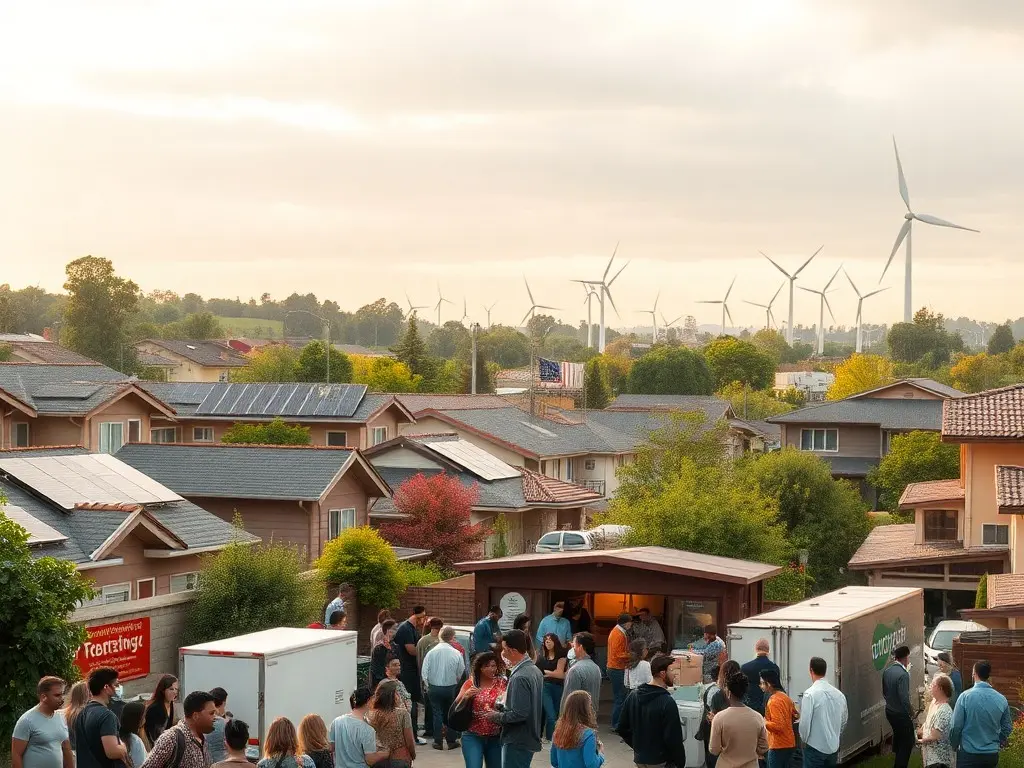
Portland, Oregon, has raised over $1 billion for climate action through a 1% retail sales tax on large corporations, funding projects like free air conditioning units and energy efficiency retrofits. The Portland Clean Energy Fund, approved by 65% of voters in 2018, prioritizes vulnerable communities and is projected to reach $1.6 billion by 2029 despite federal funding cuts.
Portland, Oregon, has established a groundbreaking $1 billion climate fund to address climate change impacts, particularly for vulnerable residents. The Portland Clean Energy Fund was created through a 1% retail sales tax on large corporations like Target, Walmart, and REI, generating about $1 billion since 2019 and projected to reach $1.6 billion by mid-2029. The fund finances initiatives such as distributing over 20,000 free portable air conditioning units, building a community solar project for 150 low-income families, and retrofitting 3,100 homes for energy efficiency. The fund originated nearly a decade ago when community leaders, particularly from nonprofits representing communities of color, sought sustainable funding for climate action. Recognizing limited resources and urgent climate challenges like extreme heat and wildfires, they proposed taxing large corporations to support solutions tailored to those most affected. A 2018 ballot measure passed with 65% voter approval, establishing the fund as a first-of-its-kind racial, social, and climate justice initiative. Projects funded by the Portland Clean Energy Fund include reducing emissions and lowering energy costs for low-income households through solar programs. The fund has also trained 2,000 people in renewable energy and construction fields, enhancing economic resilience. Despite federal funding cuts for climate projects, Portland’s initiative continues to grow, demonstrating how local efforts can fill gaps left by national policy. The fund’s approach centers on community-driven solutions, addressing climate impacts while promoting economic and social equity. Sam Baraso, the fund’s program manager, emphasizes its focus on scaling local climate solutions that prioritize resilience for front-line communities. This model contrasts with broader federal rollbacks, offering a practical example of how cities can lead climate action.
This content was automatically generated and/or translated by AI. It may contain inaccuracies. Please refer to the original sources for verification.