How Robots Are Transforming Warehouses
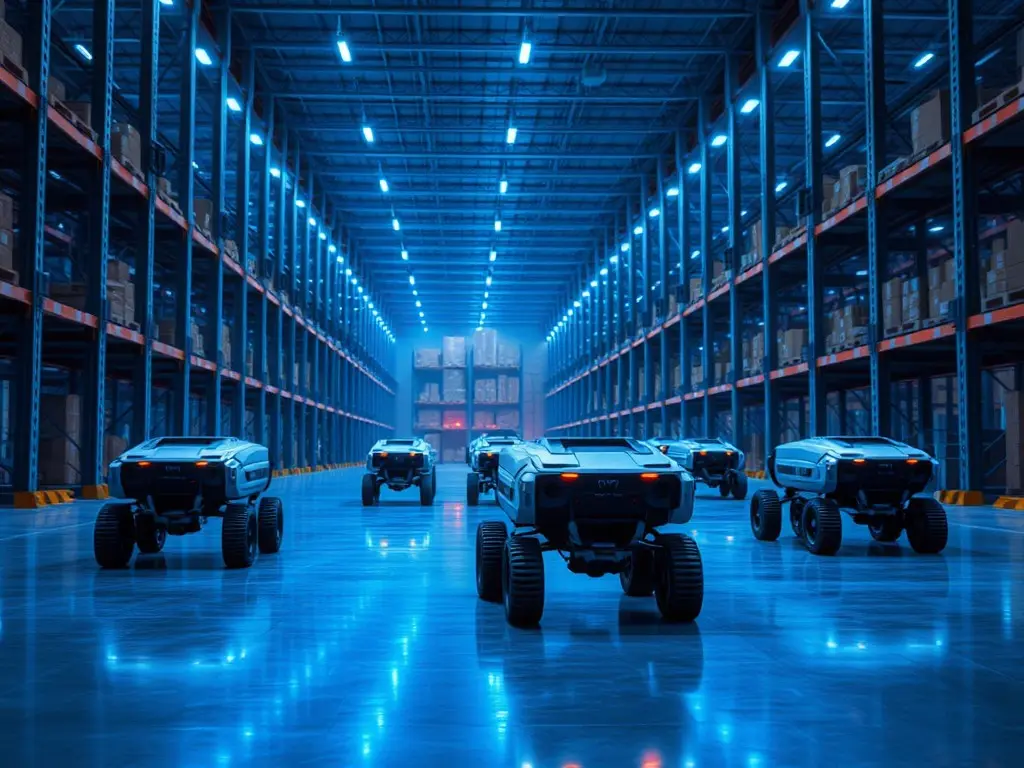
A global surge in warehouse automation and autonomous robotics is driving demand for rugged, low-power embedded computing hardware capable of operating in harsh industrial environments. Industry experts highlight edge computing architectures, AI-enabled logistics, and multi-wireless technology integration as key growth factors in modern industrial automation systems.
The global expansion of warehouse automation and autonomous robotics is accelerating demand for specialized embedded computing hardware. Manufacturers now require rugged, low-power systems designed to function reliably in extreme conditions, including vibration, unstable power, dust, and temperature fluctuations. These systems support real-time communication between machines, sensors, and autonomous vehicles, often relying on Wi-Fi or other wireless technologies. Edge computing is central to this transformation, enabling data processing closer to machines rather than centralized cloud servers. Ron Eisworth, Executive VP of Sales & Marketing at Gateworks, notes that modern warehouses and factories increasingly depend on ARM-based embedded systems for their efficiency and thermal performance. These platforms must also integrate multiple wireless standards—such as Wi-Fi, 5G, GNSS, and Wi-Fi HaLow—to ensure seamless connectivity for autonomous robots and remote sensors. Industrial embedded systems are evolving to meet stricter demands for reliability, with customers expecting hardware lifecycles exceeding a decade. This is particularly critical in sectors like transportation, energy, and factory automation, where deployment cycles and certifications span years. The next generation of these systems will likely combine higher-speed networking, AI acceleration, and modular wireless connectivity into compact, autonomous-ready platforms. Warehouses, transportation hubs, and manufacturing facilities are deploying distributed networks of connected devices requiring real-time communication while maintaining low power consumption. The shift toward digitization positions embedded computing as a core technology for real-time industrial automation, moving beyond traditional infrastructure roles. This trend underscores the growing importance of edge computing in powering the next wave of industrial innovation.
This content was automatically generated and/or translated by AI. It may contain inaccuracies. Please refer to the original sources for verification.