How scientists made the discoveries behind a game-changing gene therapy for sickle cell disease
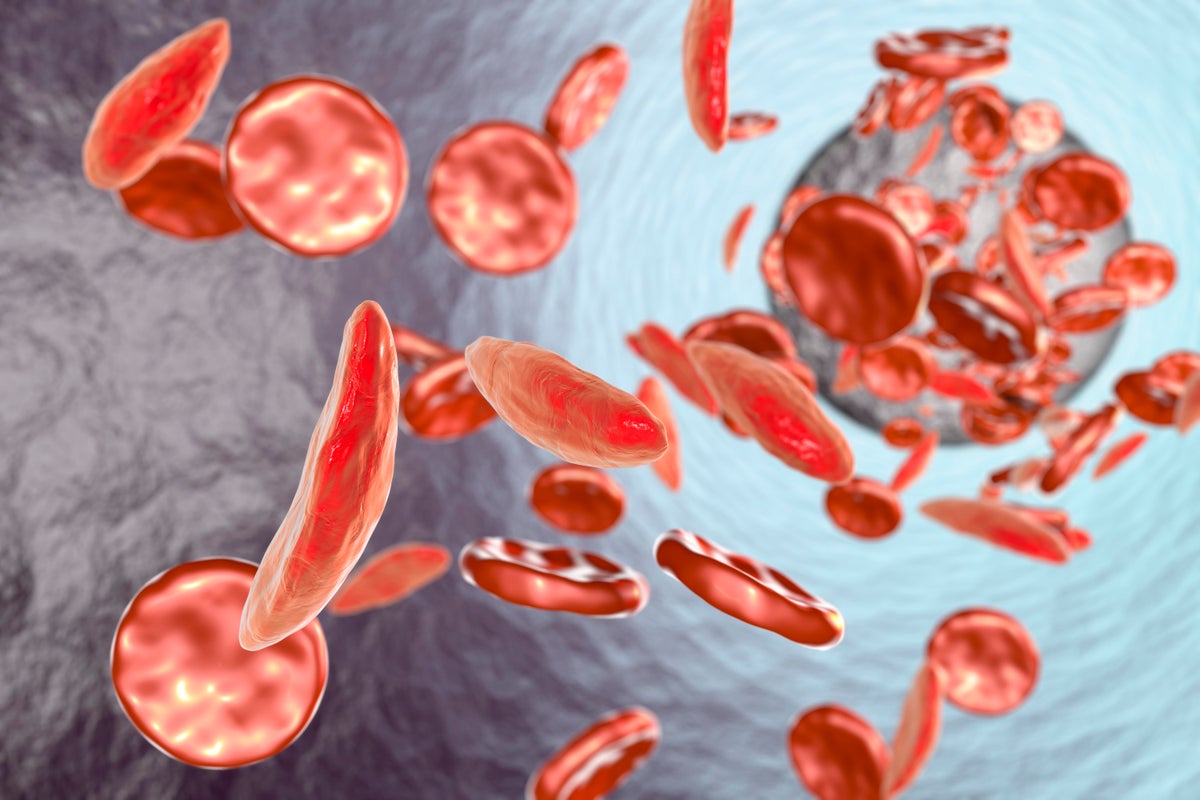
Scientists have made breakthroughs in gene therapy for sickle cell disease by identifying the BCL11A gene that suppresses fetal hemoglobin production. Gene therapies targeting this gene have shown promise in clinical trials, functionally curing patients of their condition.
Sickle cell disease is a genetic blood disorder that causes unbearable pain and extreme exhaustion. Recently approved gene therapies show promise in treating the condition. The therapies work by deactivating or replacing a hemoglobin gene to produce healthy red blood cells. Scientists discovered that turning off the BCL11A gene, which suppresses fetal hemoglobin production, could restore healthy hemoglobin production. Swee Lay Thein and Stuart Orkin were awarded the Breakthrough Prize in Life Sciences for their work on identifying the BCL11A gene. In clinical trials, patients with sickle cell disease saw a complete resolution of their pain, and those with beta-thalassemia didn't need blood transfusions or bone marrow transplants.
This content was automatically generated and/or translated by AI. It may contain inaccuracies. Please refer to the original sources for verification.