How secret UAE and Saudi strikes on Iran shattered an uneasy coexistence
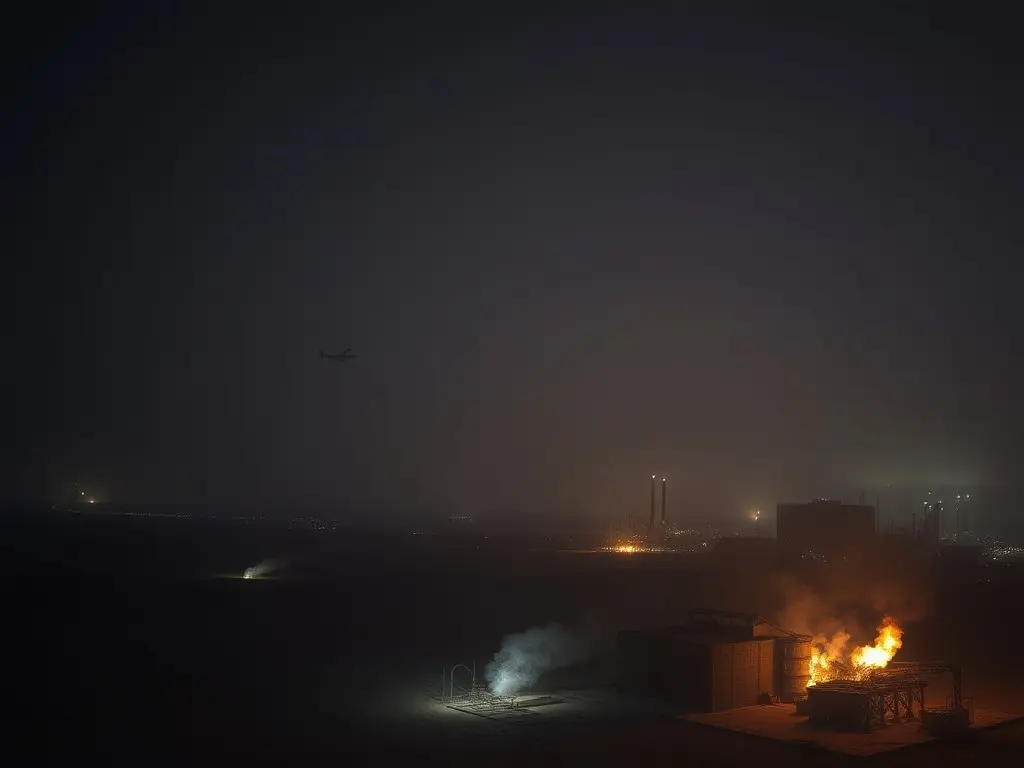
The United Arab Emirates and Saudi Arabia conducted multiple strikes against Iran after Tehran attacked their energy facilities and civilian infrastructure, marking a shift in regional geopolitics. The Gulf states, previously hesitant to engage militarily, used warplanes and drones in coordination with Israel and the U.S., though the impact remains unclear.
The United Arab Emirates and Saudi Arabia launched strikes against Iran following Tehran’s attacks on their energy and civilian infrastructure, signaling a major escalation in the conflict. These strikes, which included warplanes and Chinese-made drones, occurred as early as the first week of the war and were coordinated with Israel and the U.S., according to sources familiar with the matter. Saudi Arabia targeted Iranian drone and missile-launch sites, as well as Iraqi bases linked to Iranian-backed militias, while the UAE engaged repeatedly in a show of force. The moves reflect the Gulf states’ long-standing security concerns over Iran’s regional ambitions, particularly its ties with Russia, China, and Shiite militias. Despite deep economic and social ties with Iran, the Arab monarchies were compelled into military action after thousands of Iranian drone and missile attacks. The strikes disrupted a previously fragile balance, with both countries now seeking to re-establish deterrence amid Iran’s expanded influence over the Strait of Hormuz and its missile/drone capabilities. Saudi Arabia has since shifted toward diplomacy with Iran, while the UAE has strengthened its alliance with the U.S. and Israel, advocating for a firmer response. The war has become a turning point for Gulf air forces, reshaping their military strategies and regional posture. The Pentagon and Saudi Embassy in Washington declined to comment on the strikes’ effectiveness or lasting impact. Analysts note the Gulf states were forced into a conflict they initially avoided, now facing limited options in a rapidly evolving regional landscape.
This content was automatically generated and/or translated by AI. It may contain inaccuracies. Please refer to the original sources for verification.