How the education system needs to adapt to AI
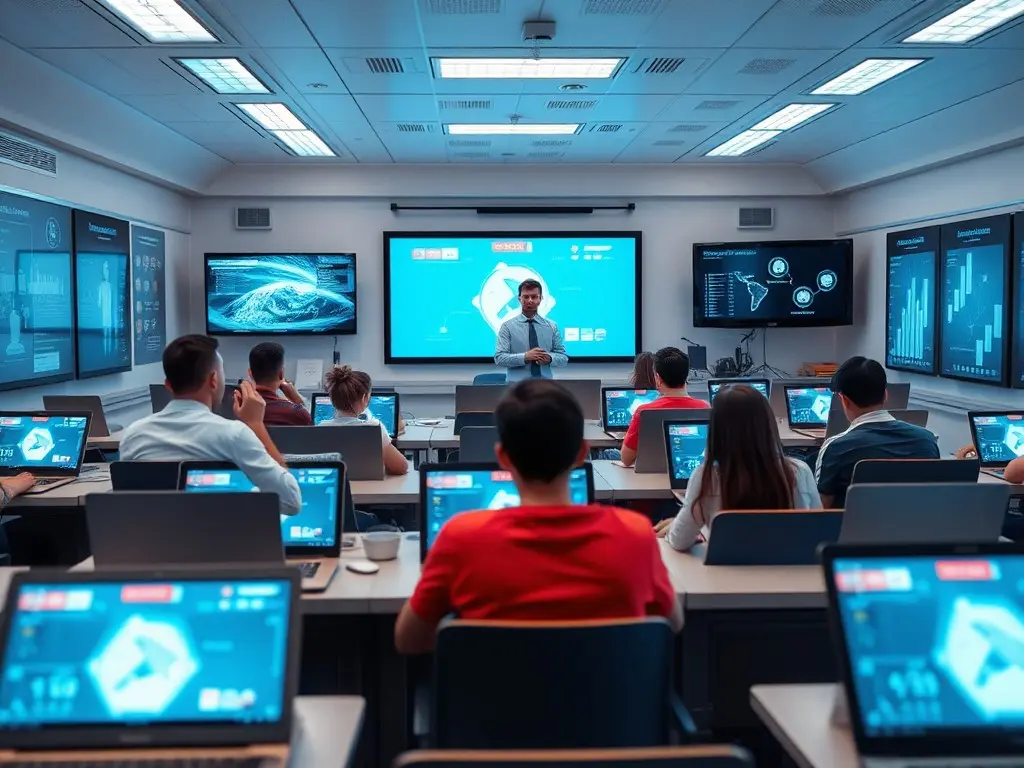
The rapid growth of artificial intelligence has raised concerns in the education sector, prompting calls for a reevaluation of how technology is used in classrooms. Educators are advised to strike a balance between leveraging AI's benefits and minimizing its drawbacks.
The sudden rise of artificial intelligence has caught the education world off guard. Research and teacher feedback suggest that electronics in classrooms can be detrimental to student learning, often serving as distractions rather than aids. Some educators are shifting away from electronics, requiring students to complete tasks by hand, while others see benefits in AI, such as personalized assignments and improved tutoring support. To navigate this evolving technology, policy recommendations include prioritizing analogue learning, incorporating AI etiquette into curricula, and establishing guardrails for AI use. Teaching students to use AI responsibly, disclose its use, and verify its work can help prepare them for a future where AI is ubiquitous. An all-or-nothing approach to education technology is insufficient; instead, educators should aim for a balanced approach that leverages the benefits of AI while minimizing its drawbacks.
This content was automatically generated and/or translated by AI. It may contain inaccuracies. Please refer to the original sources for verification.