How the Iran war reverberated through the global economy
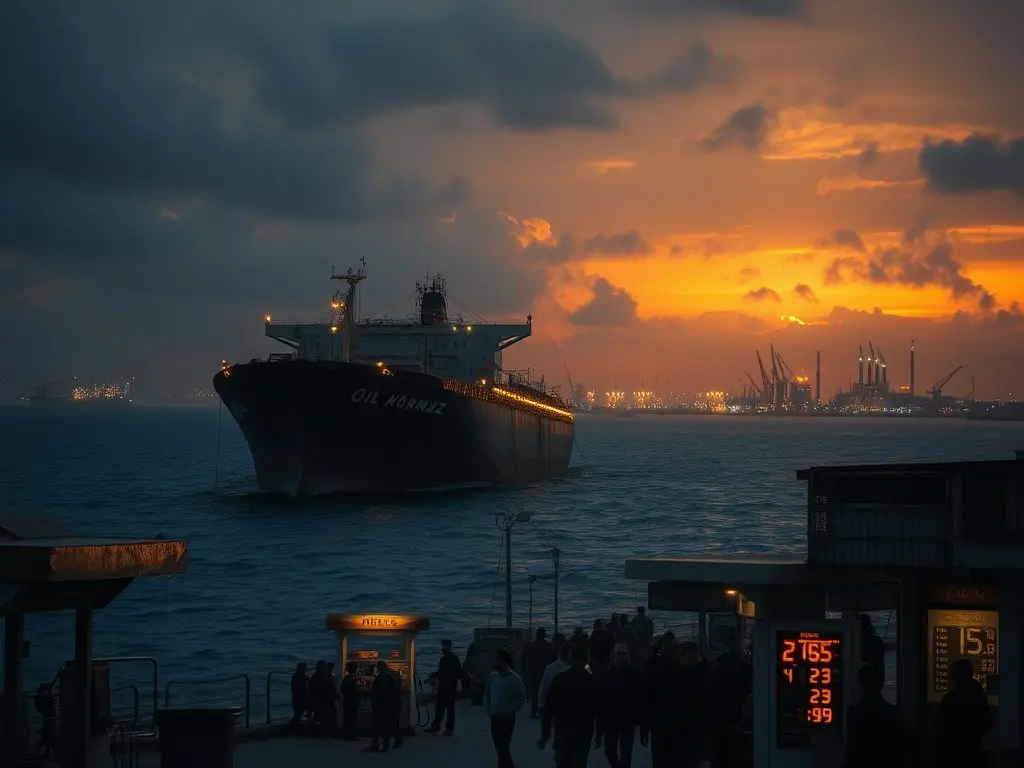
The US-Iran peace agreement has eased immediate energy market fears, but the IMF, IEA, and World Bank warn that the conflict’s disruptions—including Strait of Hormuz closures—have caused lasting inflation, commodity shocks, and uneven economic damage, particularly in Gulf and developing nations. Oil prices spiked from $72 to $120 per barrel, jet fuel prices more than doubled, and global inflation is projected to rise to 4% in 2026 due to sustained energy and fertilizer cost pressures, with potential long-term infrastructure repair costs reaching $58 billion.
The US-Iran peace agreement has reduced immediate risks to global energy markets, but economists warn the conflict’s economic fallout will persist. The World Bank, IMF, and IEA highlight disruptions to the Strait of Hormuz—one of the world’s critical energy corridors—as a major driver of inflation, commodity price spikes, and weaker growth, particularly in Gulf and developing economies. Before the conflict, 20 million barrels of oil and petroleum products passed through the strait daily. Its closure triggered Brent crude prices to surge from $72 to $120 per barrel, while jet fuel prices more than doubled, peaking above $210. European natural gas prices also climbed sharply, though they eased after the agreement. The IEA called the conflict the 'biggest energy security threat in history,' estimating global oil supply losses of nearly 13 million barrels per day and damage to 84 energy facilities, including 34 severely impacted. Repair costs for damaged infrastructure could reach $34 billion to $58 billion, with some facilities requiring up to two years to fully recover. The energy shock increased transportation, electricity, and industrial costs, while fertilizer prices rose, straining food security. The World Bank forecasts global inflation at 4% in 2026, up from 3.3% in 2025, with severe scenarios pushing it to 4.4%, while the IMF warns of potential 6% inflation by 2027 if disruptions persist. Developing economies face disproportionate impacts, with asymmetric effects on energy supplies, food security, and economic activity. The IMF and World Bank’s joint May statement emphasized that the conflict’s legacy—higher prices, weaker growth, and infrastructure strain—will outlast the immediate ceasefire, leaving a lasting mark on global markets.
This content was automatically generated and/or translated by AI. It may contain inaccuracies. Please refer to the original sources for verification.