How the NBA enforces a lifetime ban from arenas
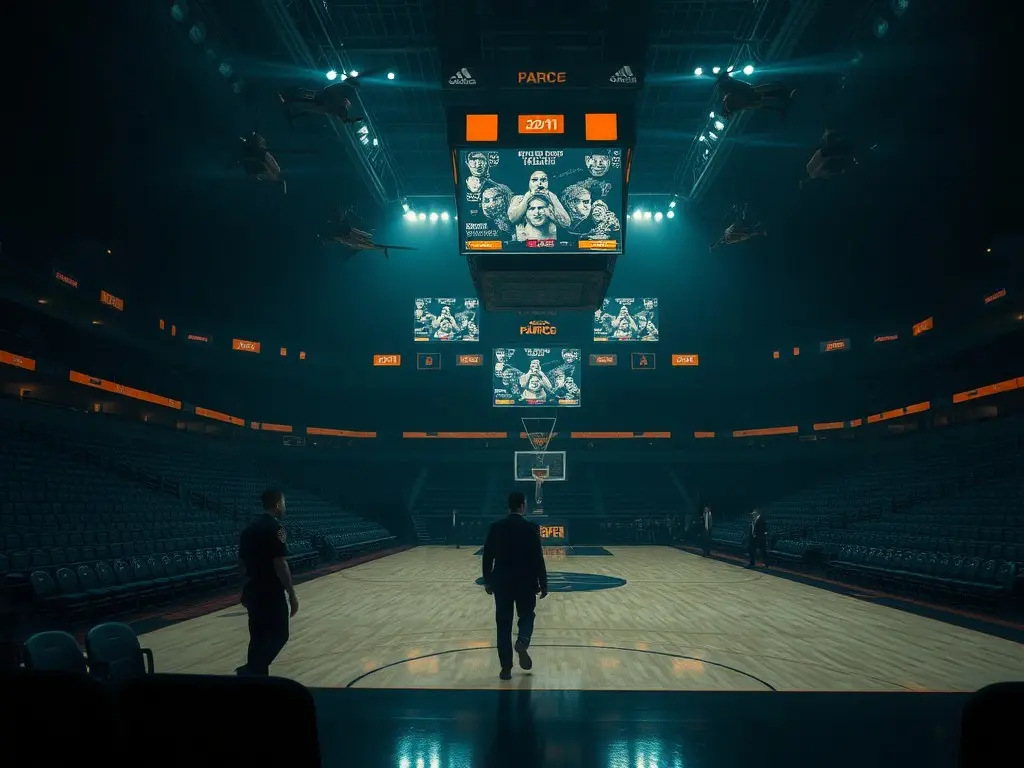
The NBA banned a fan for life after he ran onto the court during Game 1 of the 2026 NBA Finals to take a selfie with Victor Wembanyama, alongside another involved fan. The league enforces such bans using facial recognition technology, cashless transaction monitoring, and biometric checks at arenas like Madison Square Garden and the Intuit Dome.
The NBA has permanently banned a fan who disrupted Game 1 of the 2026 NBA Finals by running onto the court during the fourth quarter to take a selfie with Spurs center Victor Wembanyama. The league also banned a second fan involved in the incident, enforcing its Code of Conduct violations through lifetime arena bans. Enforcement relies heavily on technology. Madison Square Garden, owned by Knicks owner James Dolan, uses facial recognition systems to identify banned individuals or critics on exclusion lists. The NBA has stated that such measures prioritize fan, player, and staff safety, describing them as industry-leading security protocols. Arenas like the Intuit Dome now require fans to submit biometrics for cashless entry, eliminating the need for physical ticket scanning. This system allows security to monitor transactions in real time, flagging any purchases made by banned individuals. While banned fans could theoretically attempt entry, their presence would likely be detected quickly. Cashless operations ensure all transactions are tracked, and facial recognition at gates or within venues would identify them instantly. Security and police would respond promptly, making such attempts risky. The NBA’s use of surveillance technology has grown significantly since 2018, when the league first acknowledged exploring facial recognition for security. Now, arenas operate as monitored spaces where banned fans face near-certain detection before they can even enter.
This content was automatically generated and/or translated by AI. It may contain inaccuracies. Please refer to the original sources for verification.