How the Webb Telescope Spiral Galaxy Image is Captivating the World Right Now
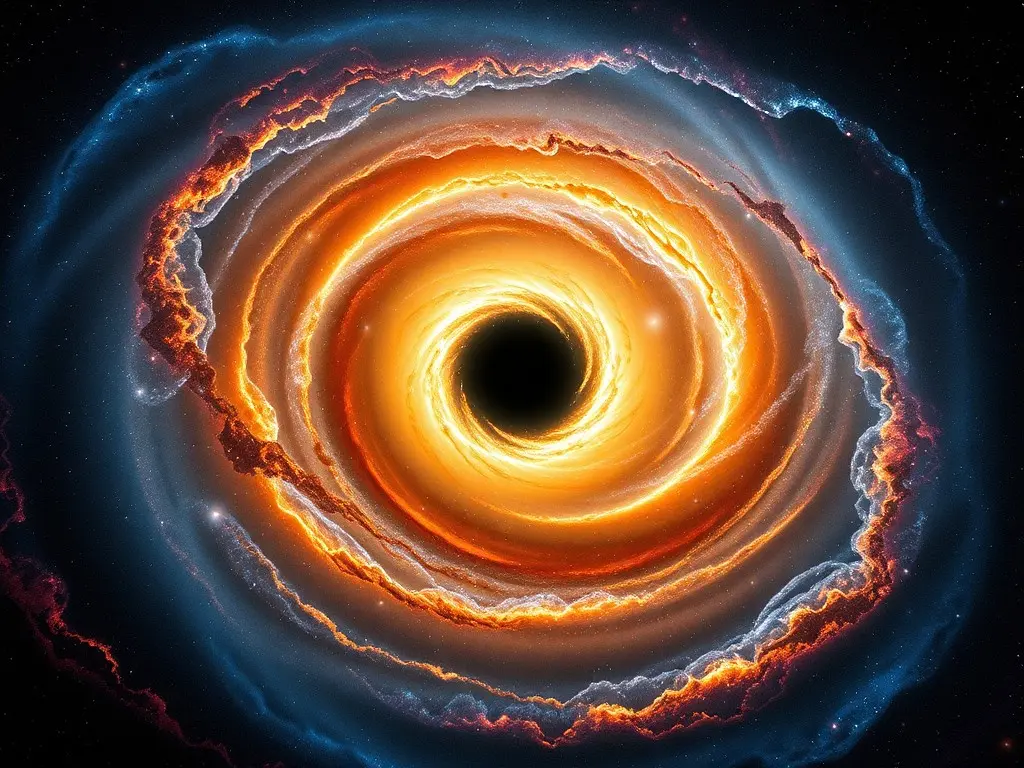
NASA’s James Webb Space Telescope recently captured a high-detail infrared image of a spiral galaxy’s core, revealing intricate structures like dust lanes and a supermassive black hole, sparking global excitement on social media. The image highlights Webb’s advanced capabilities in penetrating cosmic dust, offering unprecedented insights into galactic formation and evolution since its December 2021 launch.
NASA’s James Webb Space Telescope has released a groundbreaking image of the core of a spiral galaxy, showcasing unprecedented detail in its infrared observations. The image reveals the galaxy’s bright central region, outshining surrounding stars, and highlights intricate dust lanes and star-forming regions, along with a supermassive black hole at its heart. Webb’s advanced infrared technology, launched in December 2021, allows astronomers to study celestial objects obscured by cosmic dust, providing new insights into galactic formation. The image has captivated global audiences, trending widely on social media platforms like X and Instagram due to its striking beauty and scientific significance. Users have compared the visuals to science fiction art, amplifying public fascination with cosmic exploration. The clarity of the image underscores Webb’s ability to surpass traditional telescopes by penetrating cosmic barriers, offering a unique perspective on the universe. Astronomers are analyzing the data to deepen understanding of how galaxies evolve, with the image serving as a testament to Webb’s transformative impact on space exploration. The telescope’s infrared capabilities have already reshaped astronomical research, and this latest observation continues to push the boundaries of what humanity knows about distant galaxies. The surge in online engagement reflects both scientific curiosity and the universal awe inspired by cosmic discoveries.
This content was automatically generated and/or translated by AI. It may contain inaccuracies. Please refer to the original sources for verification.