How would Telus AI factory data centres stack up on sustainability scale?
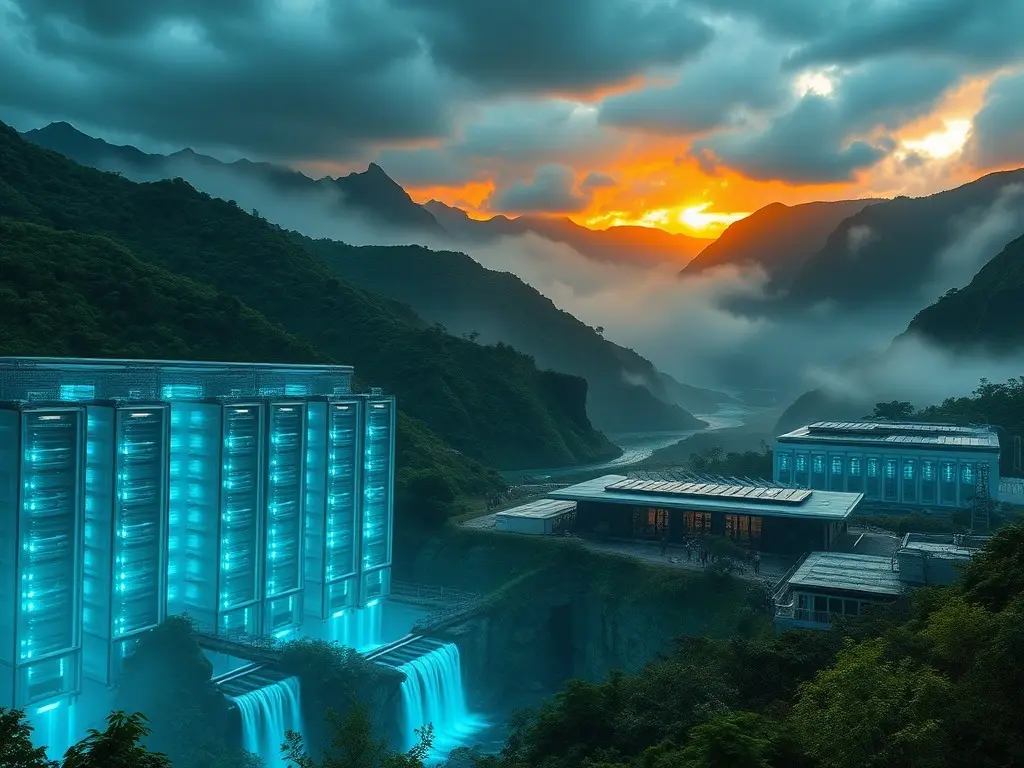
Telus plans to build three AI data centres in British Columbia—two in Vancouver and one in Kamloops—as part of its $1 billion AI Factory project, aiming to provide Canadian-owned computing power for businesses and research institutions. Critics, including protesters and environmental advocates, question their sustainability, while Telus claims advanced cooling systems will reduce energy and water use significantly.
Telus is developing three AI data centres in British Columbia under its $1 billion AI Factory initiative, with two facilities planned in Vancouver and one in Kamloops. The first, a 100,000-square-foot centre in Mount Pleasant, will house 13,000 GPUs and require up to 26 megawatts of power, opening by late 2026. A second, larger 400,000-square-foot facility downtown will hold up to 50,000 GPUs, consuming 100 megawatts, and is set for completion in 2029. Combined, the three sites are projected to use 151 megawatts by 2032, powering roughly 80,000 homes. The project aims to provide advanced AI capabilities for Canadian businesses, startups, and research institutions, aligning with Ottawa’s sovereign AI strategy. Telus states the centres will prioritize local organizations, though experts suggest they won’t match the scale needed by global tech giants like Microsoft or OpenAI. Rob Goehring, executive director of the AI Network of B.C., notes the facilities will serve government-regulated sectors and smaller businesses requiring secure data processing. Telus emphasizes sustainability, claiming a closed-loop liquid cooling system will cut energy consumption by 80% and reduce water use by 90% compared to traditional data centres. The system will recycle GPU-generated heat as carbon-free thermal energy, potentially heating 150,000 homes. Water recycling from BC Place will further minimize environmental impact. Criticism has mounted over the project’s environmental and economic implications, with a May 23 protest in Vancouver drawing 750 demonstrators opposing AI data centres. The group No AI Data Centres in Vancouver argues the technology threatens jobs and creative industries while increasing energy demands. Developer Westbank asserts the centres will ‘set a new standard’ for sustainability, though skepticism persists over their long-term ecological and social effects. British Columbia is Canada’s third-largest AI hub, hosting over 500 companies, according to Trade and Invest B.C. The Telus project reflects the region’s push to compete in the AI sector while balancing technological growth with environmental responsibility. Local experts acknowledge the centres’ limitations but highlight their potential to support Canadian innovation and data security.
This content was automatically generated and/or translated by AI. It may contain inaccuracies. Please refer to the original sources for verification.