Humanoid robots work nonstop in package test
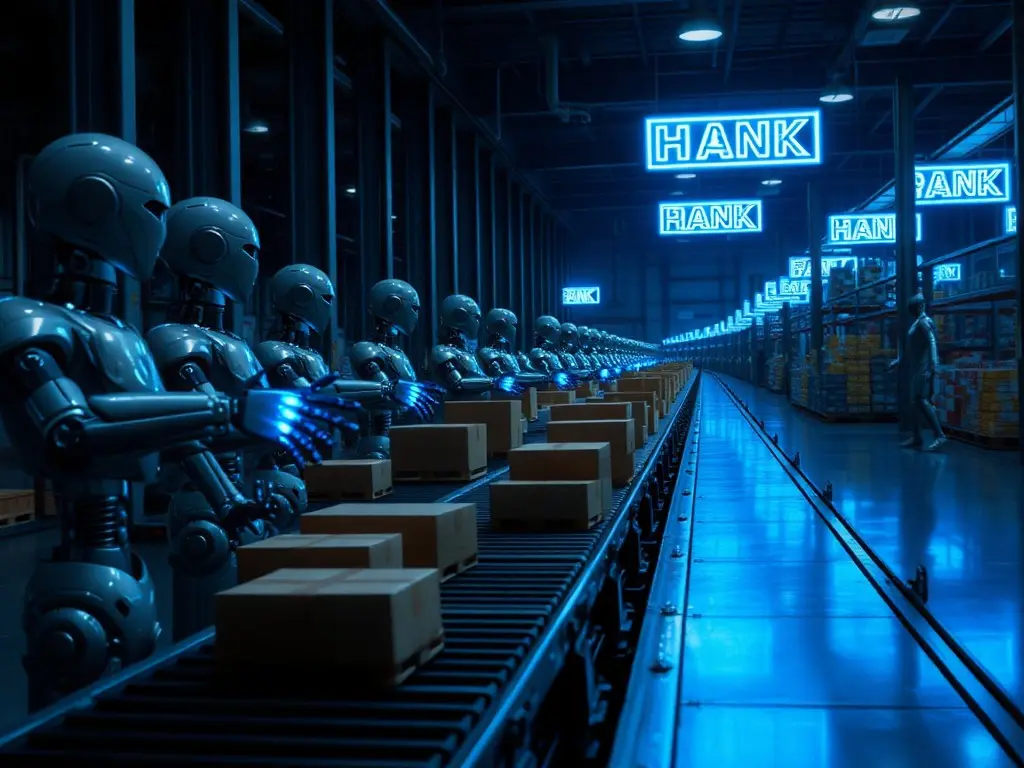
Figure AI’s Helix-02 humanoid robots operated autonomously for over 24 hours—far exceeding an eight-hour test goal—sorting more than 28,000 packages without human intervention. The company’s AI-driven system, which combines vision, touch, and movement control, demonstrated self-recovery from errors and seamless task handoffs, raising questions about the future of human labor in warehouses.
Figure AI’s humanoid robots, named Bob, Frank, and Gary, ran continuously for over 24 hours during a warehouse test, surpassing the planned eight-hour trial. The robots, powered by Figure AI’s Helix-02 AI system, sorted more than 28,000 small packages using onboard cameras and autonomous decision-making, matching human worker speeds. CEO Brett Adcock confirmed the robots operated entirely without remote human input, relying on Helix-02’s neural network for vision, touch sensing, and movement control. The test began as a short demonstration but extended as the robots performed reliably, handling tasks like gripping packages, adjusting posture, and detecting barcodes. Viewers following a livestream watched the robots work around the clock, with the company later adding visible name tags after fans online nicknamed them. The extended trial highlighted the robots’ ability to recover from errors autonomously, resetting when stuck or delegating maintenance tasks to other robots. Figure AI emphasizes Helix-02’s adaptability, allowing robots to pause, reset, and resume work without human intervention. This capability could address a key challenge in warehouse automation: minimizing downtime. The company also noted that robots could leave the work floor for maintenance while others took over, ensuring continuous operation. The achievement positions Figure AI in a competitive field, alongside companies like Tesla, Agility Robotics, and Apptronik, all developing humanoid robots for logistics and manufacturing. The success of the test raises broader questions about the future of human labor in repetitive, high-volume tasks, as robots demonstrate endurance without fatigue or sick days. The robots’ performance—including handling awkwardly placed objects and maintaining speed—suggests potential for widespread adoption in industries reliant on steady, long-duration labor. Figure AI’s focus on self-sufficiency and error recovery could make its robots more practical for real-world warehouse environments compared to earlier, less resilient automation systems.
This content was automatically generated and/or translated by AI. It may contain inaccuracies. Please refer to the original sources for verification.