Humanoids dance and thread needles as Japanese robotics developers look to outdo Chinese
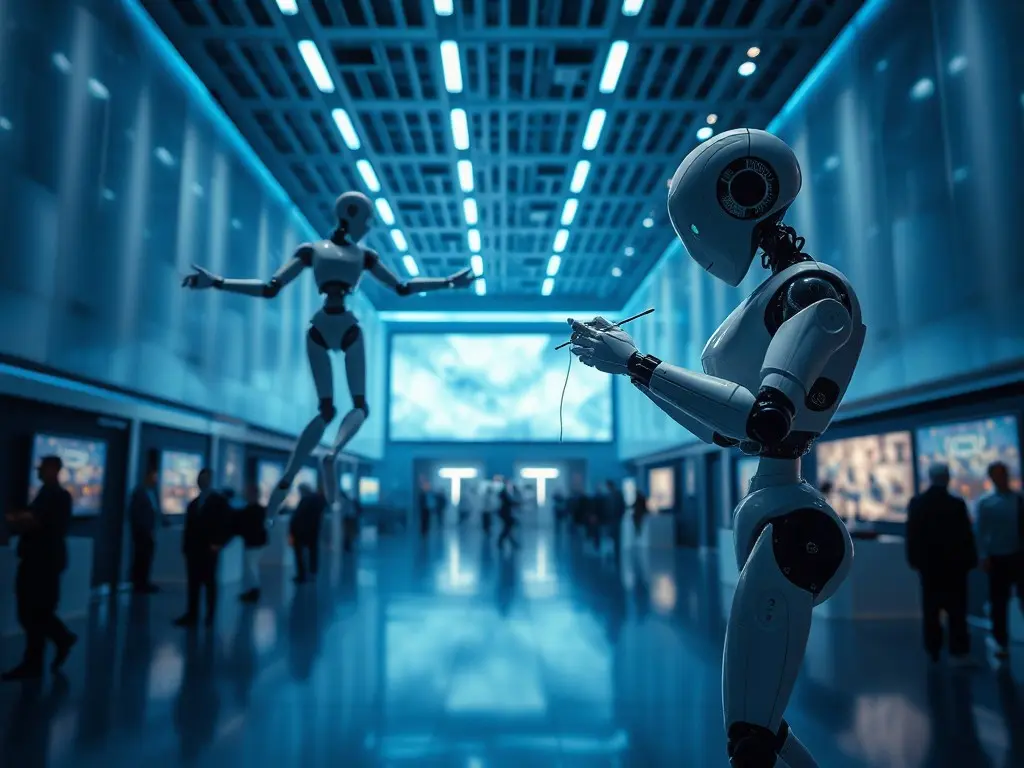
Japan’s Humanoids Summit Tokyo showcased advanced robotic technology, including needle-threading hands and dancing humanoids, but Chinese companies like Booster Robotics and Unitree are outpacing Japan in commercializing mass-produced solutions. Experts warn Japan risks falling behind in humanoid robotics due to delayed commercialization, despite its historical manufacturing expertise and cultural acceptance of robotics.
Japan’s Humanoids Summit Tokyo opened Thursday, featuring robotic hands capable of threading needles, childlike dancing robots, and adult-sized humanoids designed for deliveries. Chinese companies, including Booster Robotics and LimX Dynamics, dominated the event by refining technology originally developed in Japan and the U.S., often producing cheaper mass-market versions. Analysts like Tim Hornyak, author of *Loving the Machine*, described this as the 'Galapagos syndrome,' where Japanese innovation struggles to compete globally due to isolation. One example was GMO’s humanoid, built with Unitree’s technology, designed to assist with cargo at Japan Airlines airports, addressing Japan’s labor shortage. Meanwhile, Honda demonstrated a four-fingered robotic hand that could screw bolts or thread needles, emphasizing durability and precision. Despite China’s lead, Japanese engineers like Keisuke Tsuta of Honda argued their technology remains superior in quality and mass production. Osaka University’s Hiroshi Ishiguro, known for his humanoid clones, highlighted Japan’s cultural acceptance of robotics as a key strength. A Pew survey noted Japanese people are less anxious about AI (28% vs. 50% in the U.S.), suggesting societal readiness. However, experts fear Japan’s delayed commercialization—despite early advancements like Honda’s Asimo—may leave it trailing China in humanoid robotics adoption.
This content was automatically generated and/or translated by AI. It may contain inaccuracies. Please refer to the original sources for verification.