Hybrid Airplanes Might Arrive Sooner Than Expected
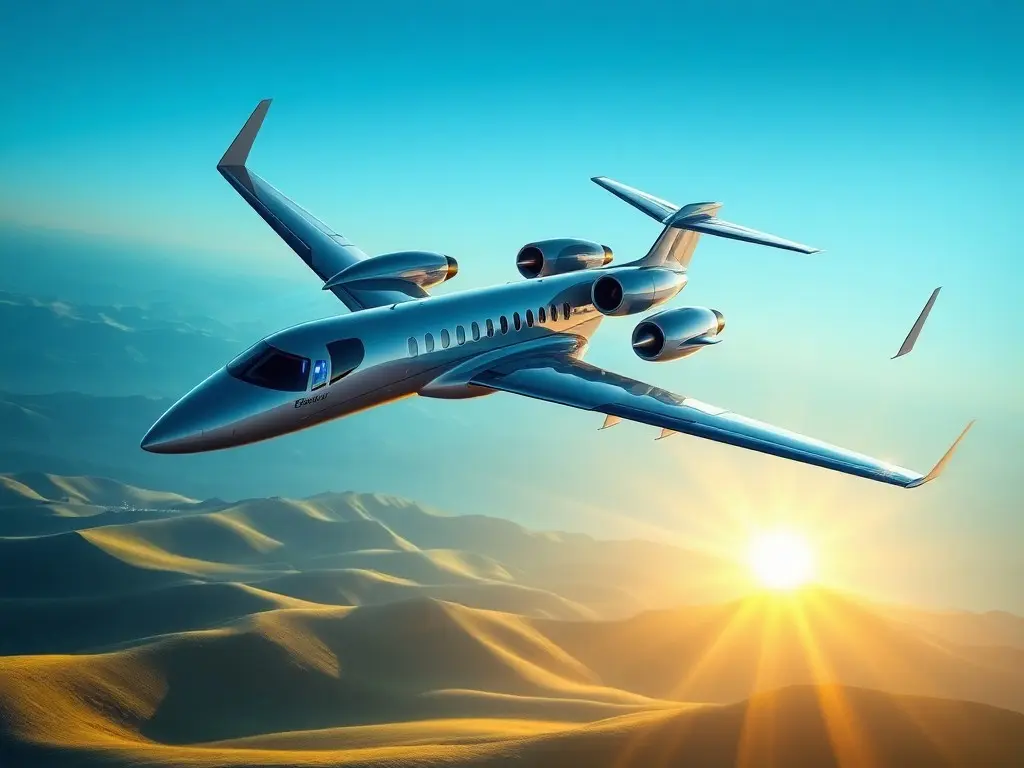
GE Aerospace completed successful tests of a megawatt-class hybrid-electric aircraft engine under NASA’s Electrified Powertrain Flight Demonstration program, marking progress toward hybrid aviation for regional planes. The technology aims to cut fuel consumption, emissions, and noise while improving efficiency for airlines, with potential commercial applications by 2035 through NASA’s Sustainable Flight initiative.
GE Aerospace has successfully tested a megawatt-class hybrid-electric aircraft engine as part of NASA’s Electrified Powertrain Flight Demonstration program. The engine, tested under simulated flight conditions including taxiing, takeoff, and cruise, combines conventional fuel-burning systems with electric motors and batteries, offering a transitional step toward cleaner aviation. Unlike fully electric aircraft, hybrid systems allow for incremental efficiency gains without relying solely on current battery technology, which remains too heavy for large commercial planes. NASA’s initiative aims to reduce aviation’s 2-3% global greenhouse gas emissions by improving energy efficiency by 25-30% through sustainable fuels and propulsion advancements. The first hybrid aircraft are expected to debut in smaller regional planes, with GE Aerospace’s CT7 turboprop engine leading the way. Retrofitting existing aircraft with hybrid systems could accelerate adoption, as projects by NASA, GE, RTX, and magniX focus on modifying proven turboprop models rather than designing new planes. Fuel costs, which account for about a quarter of airline expenses, are a key driver for hybrid adoption. Electric motors, which convert over 90% of energy into mechanical power, could significantly cut fuel use during high-energy phases like takeoff and climbing. Additionally, electric-powered operations may reduce airport noise pollution, enabling more efficient flight paths over populated areas. NASA’s Sustainable Flight National Partnership supports these efforts, targeting cleaner commercial aviation by 2035. The agency’s long-term goals include integrating hybrid-electric systems into regional aircraft while advancing sustainable aviation fuels to further reduce environmental impact.
This content was automatically generated and/or translated by AI. It may contain inaccuracies. Please refer to the original sources for verification.