Idaho, Minnesota universities stonewall public records requests for controversial course syllabi
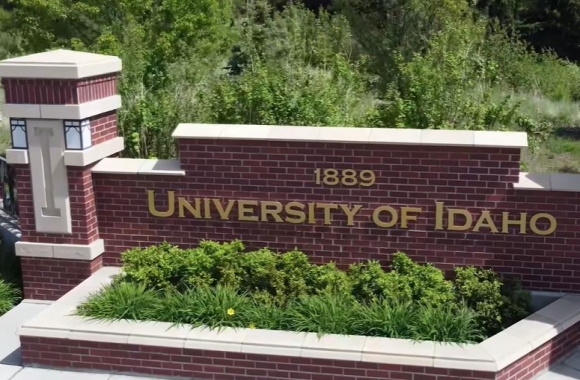
The University of Idaho and University of Minnesota denied public records requests for course syllabi from the American Accountability Foundation, citing intellectual property and trade secret protections, despite legal arguments that their justifications were flawed. Both universities offered limited alternatives like in-person inspection, which the foundation deemed insufficient based on prior court rulings affirming public access rights.
The University of Idaho and University of Minnesota refused to release course syllabi to the American Accountability Foundation (AAF) after requests under state public records laws. The AAF sought syllabi for courses including Introduction to Women’s, Gender, and Sexuality Studies and Ecology of Health & Medicine–Foundations at the University of Idaho, as well as Human Sexuality and LGBTQ+ health courses at the University of Minnesota. The University of Idaho denied the request, claiming syllabi are protected as trade secrets under Idaho law. AAF argued this was incorrect, as trade secrets require independent economic value and reasonable secrecy efforts, neither of which apply to publicly taught course materials. University spokesperson Jodi Walker stated that syllabi are considered intellectual property under university policy, aligning with state law. At the University of Minnesota, the school refused to disclose syllabi, citing copyright protections, but offered in-person inspection as an alternative. AAF rejected this, citing a Minnesota Court of Appeals ruling that barred similar denials based solely on copyright claims. The court had previously dismissed an argument that allowed only in-person access as insufficient. The AAF also criticized the University of Minnesota’s refusal to provide copies, noting that the university itself owns the copyright. Matt Ehling, treasurer for Minnesotans for Open Government, called the university’s stance frustrating, arguing that copyright ownership by the institution removes any valid justification for withholding documents. Both universities’ responses were deemed inadequate by transparency advocates, who emphasized that prior legal precedents support public access to such records. The AAF has continued to push for full disclosure, arguing that the universities’ justifications do not align with state laws or established legal standards.
This content was automatically generated and/or translated by AI. It may contain inaccuracies. Please refer to the original sources for verification.