If You Think AI Companies Are Unethical Now, Wait Until They Go Public
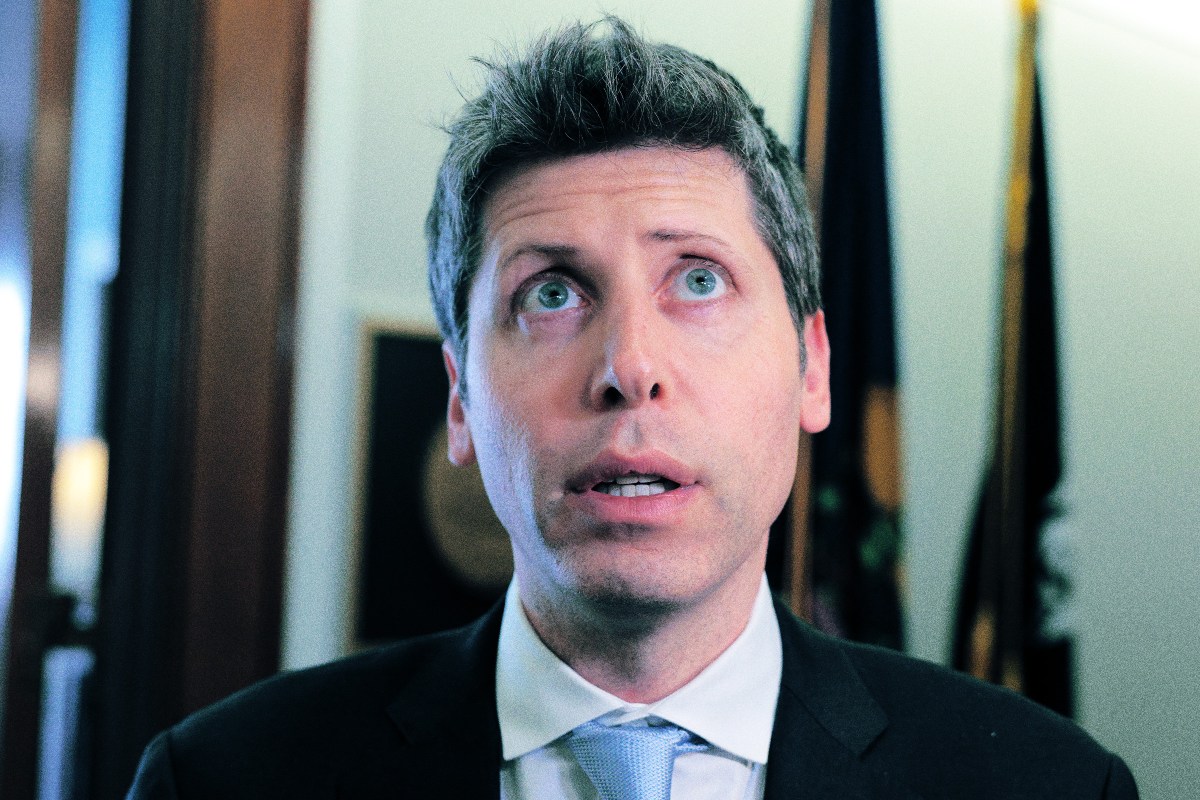
OpenAI, Anthropic, and SpaceX’s xAI are preparing to go public in 2024, risking ethical compromises as profit pressures replace their original nonprofit missions. Critics warn that shareholder demands could accelerate unsafe AI development, while philanthropic pledges by leaders like Anthropic’s Dario Amodei may not offset environmental and societal concerns tied to data centers and wealth concentration.
OpenAI, once a nonprofit research lab focused on ethical AI, has shifted toward profitability, raising billions while facing criticism for abandoning its original mission. The company’s CEO, Sam Altman, was ousted and later reinstated in 2023 after a governance crisis, raising questions about its commitment to safety and ethics. Now, OpenAI, alongside competitors Anthropic and SpaceX’s xAI, is poised to go public, a move that could intensify pressure to prioritize shareholder returns over ethical AI development. With hundreds of billions in funding, these firms may struggle to balance rapid innovation with safety concerns, despite attempts like Anthropic’s public benefit corporation structure to mitigate shareholder influence. *New York Times* tech columnist Kevin Roose warned that public trading could make it harder to slow AI releases, as investors demand growth and profitability. Meanwhile, Anthropic’s seven cofounders have pledged to donate 80% of their wealth, but critics argue wealth concentration and environmental impacts—like carbon-heavy data centers—remain unresolved risks. Environmentalists highlight the AI industry’s growing carbon footprint, with data centers facing local opposition over pollution and energy use. Trellis Climate’s Lara Pierpoint noted that AI developers recognize these impacts but may struggle to address them once public. Some speculate that newfound wealth could fund green energy or philanthropy, but skepticism persists about whether tech leaders will uphold ethical promises under shareholder scrutiny. The transition to public companies could further erode trust, as fiduciary duties clash with AI safety goals. Early missteps, like Google’s AI chatbot tests exposing children to harmful content, underscore the dangers of unchecked competition. Whether philanthropic gestures or regulatory safeguards will offset profit-driven risks remains unclear as these firms prepare for market debuts.
This content was automatically generated and/or translated by AI. It may contain inaccuracies. Please refer to the original sources for verification.