Importers groan as M’East crisis, Hormuz toll strain supply, OpEx
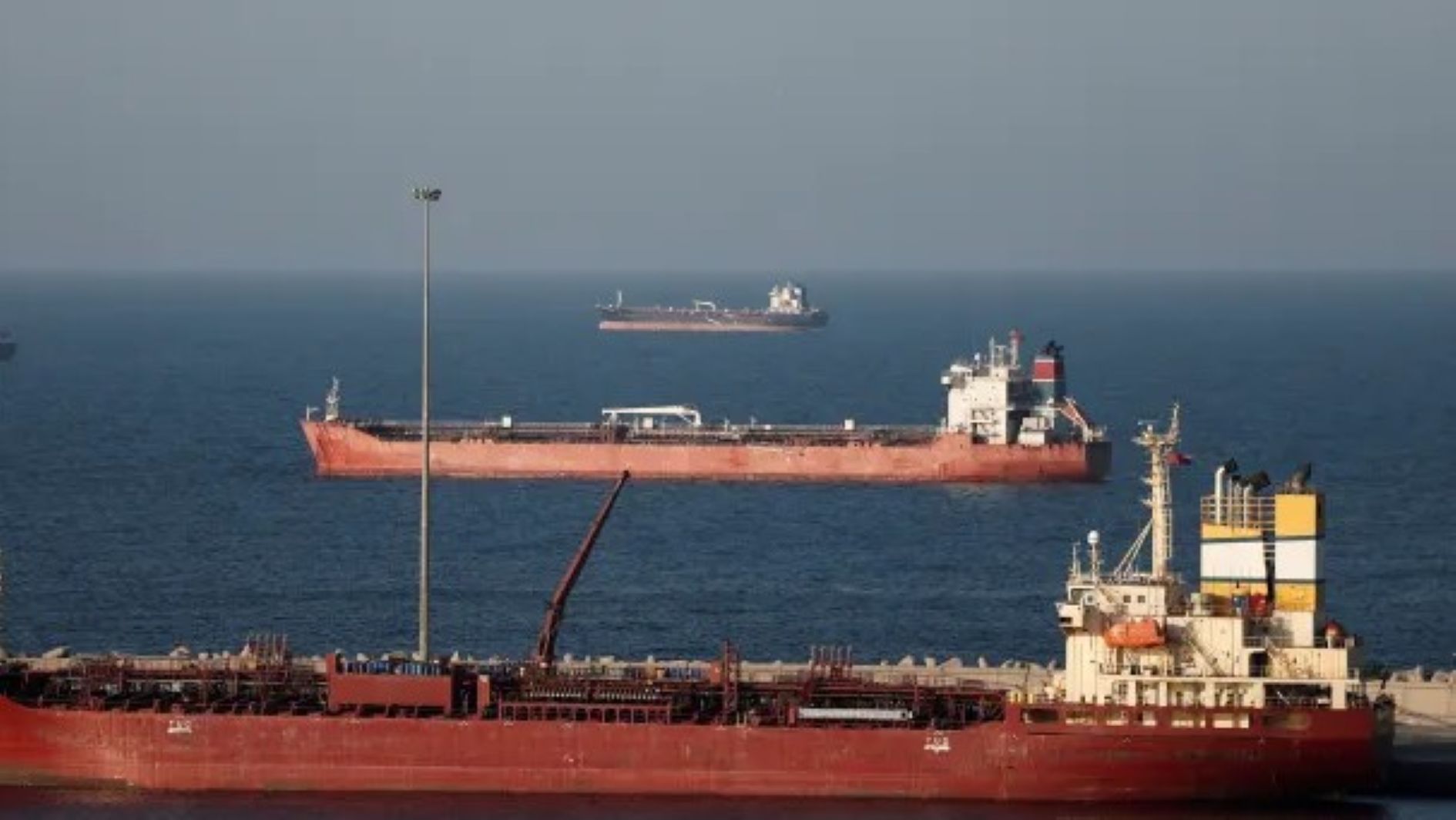
Iran’s new toll system for vessels transiting the Strait of Hormuz, alongside Middle East tensions, is threatening Nigeria’s economic stability by disrupting global supply chains and driving up import costs. The move has already caused crude prices to surge by 50% since late February, with Nigerian petroleum products and transportation costs rising by nearly 100%, worsening inflation and reversing recent anti-inflation gains.
Iran’s decision to formalize tolls for vessels passing through the Strait of Hormuz, managed by the newly formed Persian Gulf Strait Authority (PGSA), has exposed Nigeria’s vulnerability to global supply chain disruptions. The move, combined with broader Middle East tensions, risks triggering a wave of tolls on other strategic chokepoints like the Strait of Malacca, further straining trade routes critical for Nigeria’s imports. Nigeria, which relies on sea transport for over 90% of its imports—including pharmaceuticals, food, and machinery—faces immediate economic consequences. Crude prices have already risen by 50% since late February, pushing petroleum product costs up by nearly 100% and transportation expenses higher. Food and other consumables have seen price hikes of 10% to 100%, reversing years of modest inflation control. Official data shows Nigeria’s March headline inflation climbed to 15.38%, with month-on-month inflation hitting a recent peak of 4.18%. The tolls would increase freight and insurance costs, directly inflating prices for imported goods, exacerbating the cost-of-living crisis. Iran’s blockade and toll system, enforced since March, has forced ships to pay up to $2 million per vessel for safe passage, as reported by Lloyd’s List. The risk of similar tolls in other key straits, such as the Malacca Strait—one of the world’s busiest with 102,500 vessels transiting in 2025—could further destabilize global trade and economic growth. Trade experts warn that tolls on strategic routes could worsen inflation expectations, trigger panic, and deepen Nigeria’s economic challenges. The country’s heavy dependence on imports makes it particularly exposed to disruptions in maritime trade, threatening recovery efforts and stability.
This content was automatically generated and/or translated by AI. It may contain inaccuracies. Please refer to the original sources for verification.