In 1856, William Henry Perkin was cleaning a failed experiment and noticed a strange stain, which unexpectedly helped launch the synthetic dye industry
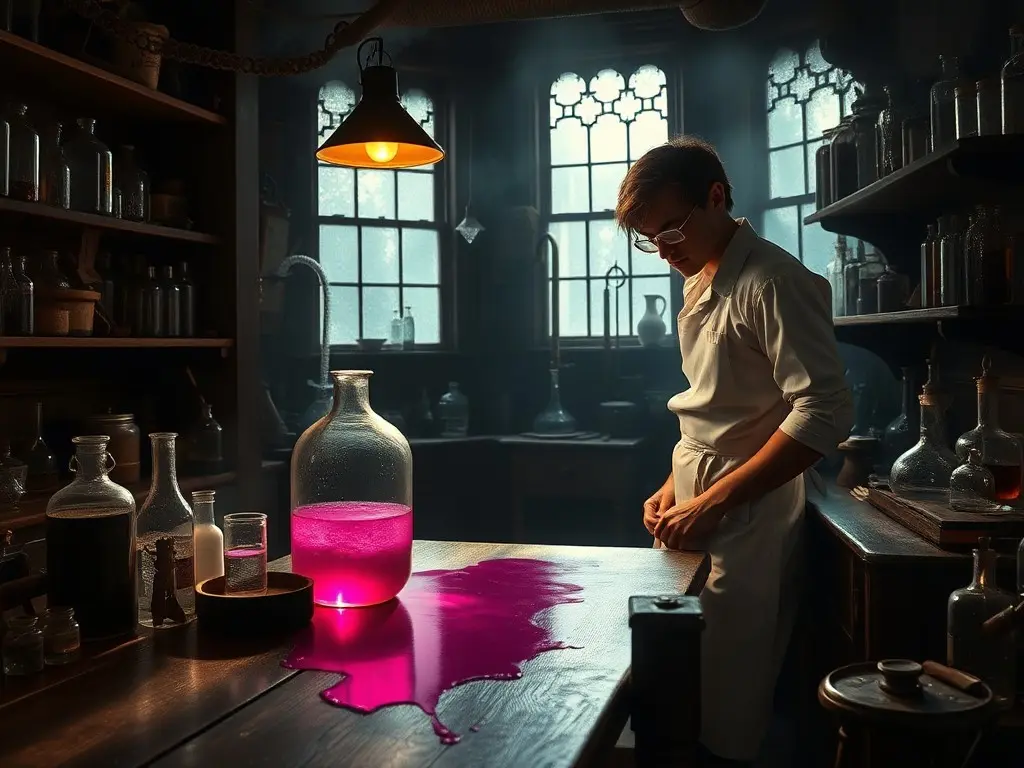
In 1856, 18-year-old chemist William Henry Perkin accidentally discovered mauveine, the first synthetic dye, while attempting to synthesize quinine in his London home lab. His discovery revolutionized the textile industry by replacing expensive natural dyes with affordable, mass-produced coal-tar-based alternatives, launching the synthetic dye industry and influencing broader chemical advancements.
William Henry Perkin, a chemistry student in London, made a groundbreaking discovery in 1856 while experimenting in his home lab. He was trying to synthesize quinine, a malaria treatment, but the failed attempt produced a dark stain that turned purple when cleaned with alcohol. This led to the creation of mauveine, a synthetic dye that could stain fabrics in rich shades, marking the first industrially profitable organic dye. Before mauveine, textile dyes relied on costly natural sources like plants or minerals, often with inconsistent quality. Perkin’s invention, derived from coal-tar byproducts, provided a stable, affordable alternative. His research, published in *Molecules*, confirmed mauveine’s effectiveness in dyeing textiles, making it commercially viable. Perkin quickly patented mauveine and established a factory to produce it, bridging chemistry and industrial manufacturing. The dye became a fashion trend, with 'mauve' dominating clothing in Europe and the U.S. According to the Royal Society of Chemistry, this discovery launched the synthetic dye industry, paving the way for advancements in medicines, plastics, and cosmetics. Mauveine’s chemistry revealed it was a mixture of phenazinium compounds, not a pure substance, formed through oxidation of aniline, a coal-tar derivative. While often called a happy accident, the discovery highlighted the importance of observation in science. It also demonstrated how early chemical innovations relied on empirical techniques rather than precise formulations. The impact of mauveine extended beyond textiles, influencing synthetic chemistry across industries. Its success proved that lab discoveries could be scaled for mass production, setting a precedent for future industrial applications. Perkin’s work remains a key example of how serendipity and scientific curiosity can drive transformative progress.
This content was automatically generated and/or translated by AI. It may contain inaccuracies. Please refer to the original sources for verification.