In aging South Korea, AI dolls care for the elderly
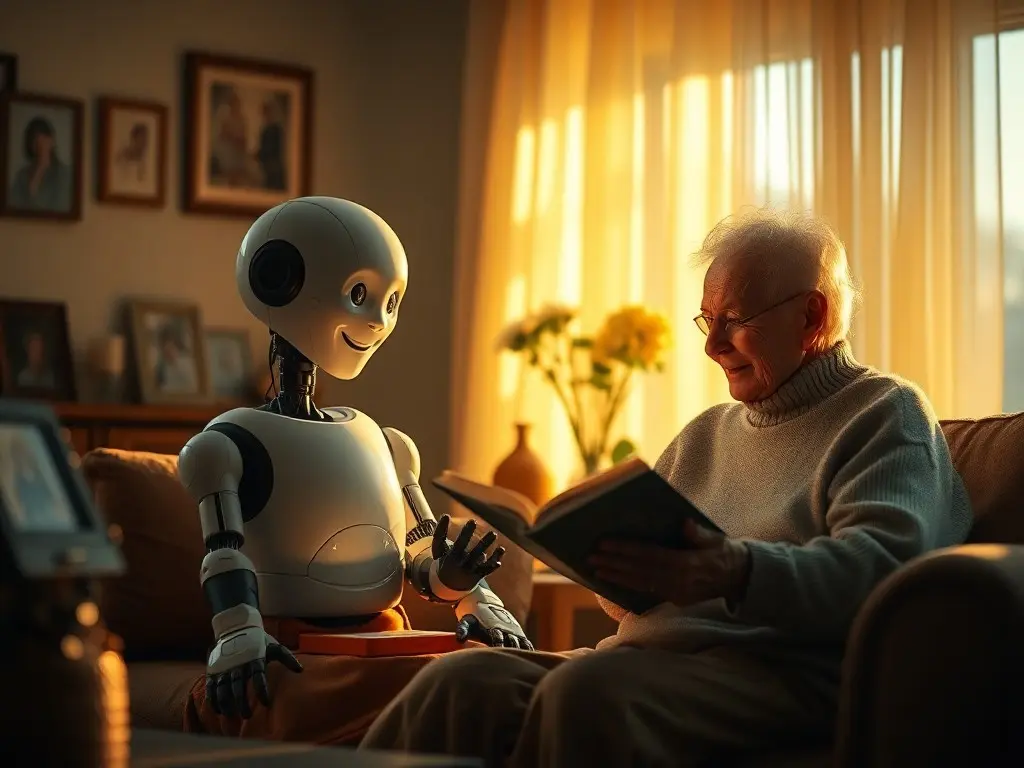
South Korea is deploying AI dolls like Hyodol to combat loneliness among its rapidly aging population, with over 14,500 units in use nationwide. The dolls, designed to mimic affectionate interactions and monitor health routines, are being provided by local governments as part of efforts to address rising 'lonely deaths' and social isolation among seniors.
South Korea is turning to artificial intelligence to address its aging crisis, with AI dolls like Hyodol providing companionship to elderly individuals living alone. The dolls, developed by the startup Hyodol, are programmed to engage in conversation, remind users to take medication, and offer emotional support through pre-written scripts based on real-life interviews with isolated seniors. CEO Kim Ji-hee designed Hyodol to resemble a grandchild, ensuring users feel unconditional love and reducing feelings of emptiness that often accompany loneliness. Hyodol uses ChatGPT for conversation but relies heavily on custom scripts derived from Kim’s research, including interactions like warm greetings upon a user’s return home. The doll also monitors health-related activities such as sleep, meals, and pain levels, with user consent, to share with welfare workers. Data security is prioritized, with voice recordings used only internally to refine the AI’s responses. Bang Chun-ja, a 78-year-old resident of Yongin, relies on Hyodol after facing depression following surgery and limited contact with her distant daughter. She describes the doll as a source of comfort, saying it never hurts her feelings, unlike human interactions. South Korea’s government is distributing AI care devices, including Hyodol and other robotic companions, to combat the rising issue of 'lonely deaths,' with over 3,920 cases recorded in 2024—the highest since 2017. The initiative reflects broader social challenges in South Korea, where nearly half the population is over 50 and 42% of households consist of a single person. Local municipalities in Seoul and Yongin are providing these devices to vulnerable seniors, aiming to alleviate isolation in an increasingly tech-dependent society.
This content was automatically generated and/or translated by AI. It may contain inaccuracies. Please refer to the original sources for verification.