In his latest book, David George Haskell shows how flowers made our world
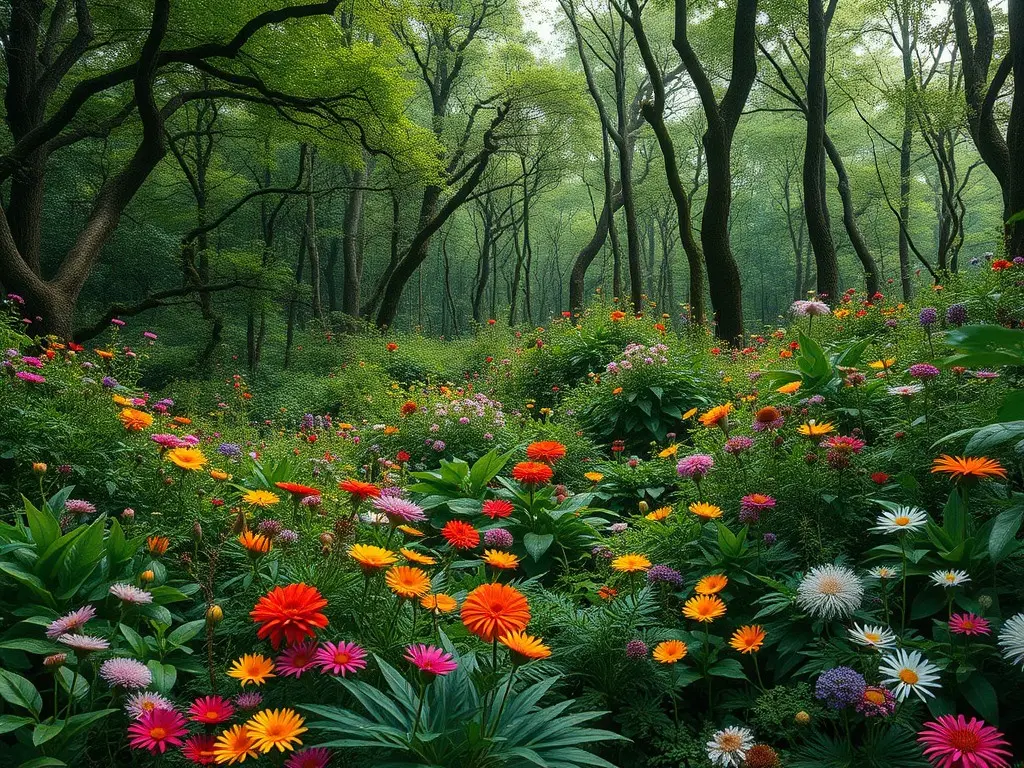
David George Haskell's new book 'How Flowers Made Our World' explores how flowers revolutionized the planet and formed the basis of many ecosystems, and argues that understanding their role is crucial in addressing the current climate crisis. Haskell, a biologist and two-time Pulitzer Prize finalist, traces the evolution and impact of flowering plants on the environment.
The world's environmental alarms are growing louder as nearly half of the world's flower species decline due to increased pesticide use, heat, drought, and extreme weather events. David George Haskell's book 'How Flowers Made Our World' argues that flowers are the engineers of habitats and the biological infrastructure behind much of what humans eat and build. Flowering plants, which appeared around 130 million years ago, revolutionized the planet by reshaping landscapes and forming partnerships with insects, birds, and mammals. They created rainforests, prairies, mangroves, and seagrass meadows, transforming almost every habitat within a few million years of their appearance. Haskell, a biologist and two-time Pulitzer Prize finalist, emphasizes the importance of understanding the role of flowers in creating the modern world, especially as human activities stress the systems they helped create. The book provides a sweeping account of interdependence, moving between deep time, evolutionary history, and the present-day climate crisis.
This content was automatically generated and/or translated by AI. It may contain inaccuracies. Please refer to the original sources for verification.