In Pompeii, ancient graffiti depicting daily life is being revealed thanks to modern technology
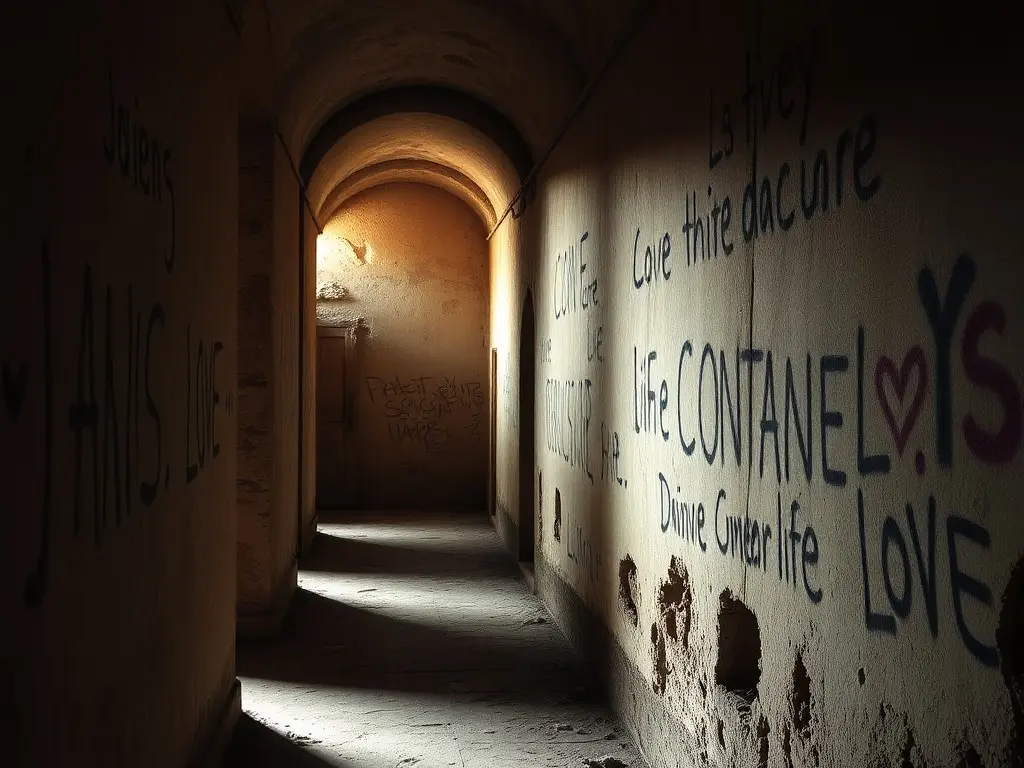
Researchers used advanced digital imaging to decipher 300 inscriptions on a corridor wall in Pompeii, revealing 79 new graffiti that provide insight into daily life in ancient Rome. The findings include a declaration of love to someone named Erato, written in slang used by working-class Pompeiians.
An international research team used advanced digital imaging to decipher graffiti in a narrow corridor in Pompeii, recovering 79 inscriptions never before seen. The team, led by Louis Autin and Éloïse Letellier-Taillefer of Sorbonne University, worked on a project called 'Bruits de couloir' (Corridor Whispers). The graffiti includes jokes, insults, declarations of love, and drawings, providing insight into daily life in ancient Rome. A declaration of love to someone named Erato was discovered, written in slang used by working-class Pompeiians. The corridor, located between two theatres, was used by spectators and contains scenes of gladiator combat, portraits, and drawings of animals and ships. The findings offer a window onto class and gender in ancient Pompeii, with women appearing in inscriptions but rarely as authors.
This content was automatically generated and/or translated by AI. It may contain inaccuracies. Please refer to the original sources for verification.