In the Permian Basin, AI takes on big oil’s dirty water problem
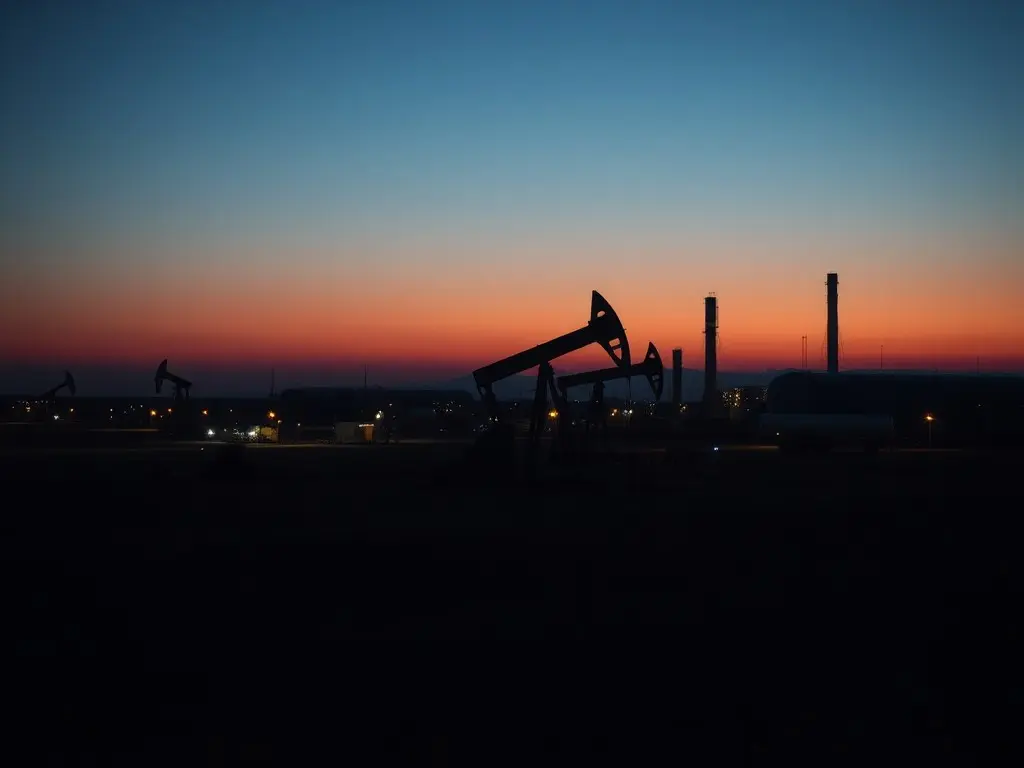
Oil and gas companies in Texas’s Permian Basin are adopting artificial intelligence to manage toxic produced water, improving permit processing and disposal strategies while keeping details confidential. The Texas Railroad Commission tightened regulations in 2023, requiring broader geological assessments, which AI helps accelerate for operators like those using Enverus and Chevron-linked tools.
Oil and gas companies in Texas’s Permian Basin are turning to artificial intelligence to address the growing challenge of toxic produced water, a byproduct of fossil fuel extraction. For every barrel of oil extracted, three to 10 times as much produced water surfaces, posing disposal challenges. AI tools analyze well data—including geology, casing materials, and seismic activity—to streamline permit applications and optimize injection strategies, according to Akash Sharma of energy analytics firm Enverus. The Texas Railroad Commission tightened permitting rules in 2023, requiring operators to study a two-mile radius around disposal wells instead of half a mile, along with stricter pressure and volume limits. AI helps companies gather this data faster, reducing permitting delays and allowing teams to focus on disposal safety. Yoshi Pradhan, founder of IronLady Energy Advisors, notes AI can assess historical risks and well conditions to predict optimal injection scenarios. Despite its growing use, details about AI applications in the industry remain scarce, with experts like Ramanan Krishnamoorti of the University of Houston calling it a ‘competitive advantage.’ The Texas Railroad Commission confirmed it has no record of AI use by oil and gas firms, though operators privately leverage the technology to gain efficiency. The shift reflects broader industry trends, where AI is reshaping operations in data-intensive sectors. As fossil fuel production surges in the Permian Basin, disposal challenges have intensified, with past underground injection efforts linked to earthquakes. AI’s role in mitigating risks and improving compliance underscores its potential to address environmental and logistical hurdles in oil production. However, transparency remains limited, leaving regulators and the public with few insights into how widely the technology is deployed.
This content was automatically generated and/or translated by AI. It may contain inaccuracies. Please refer to the original sources for verification.