In the United States, some undergraduates are resisting the call of AI
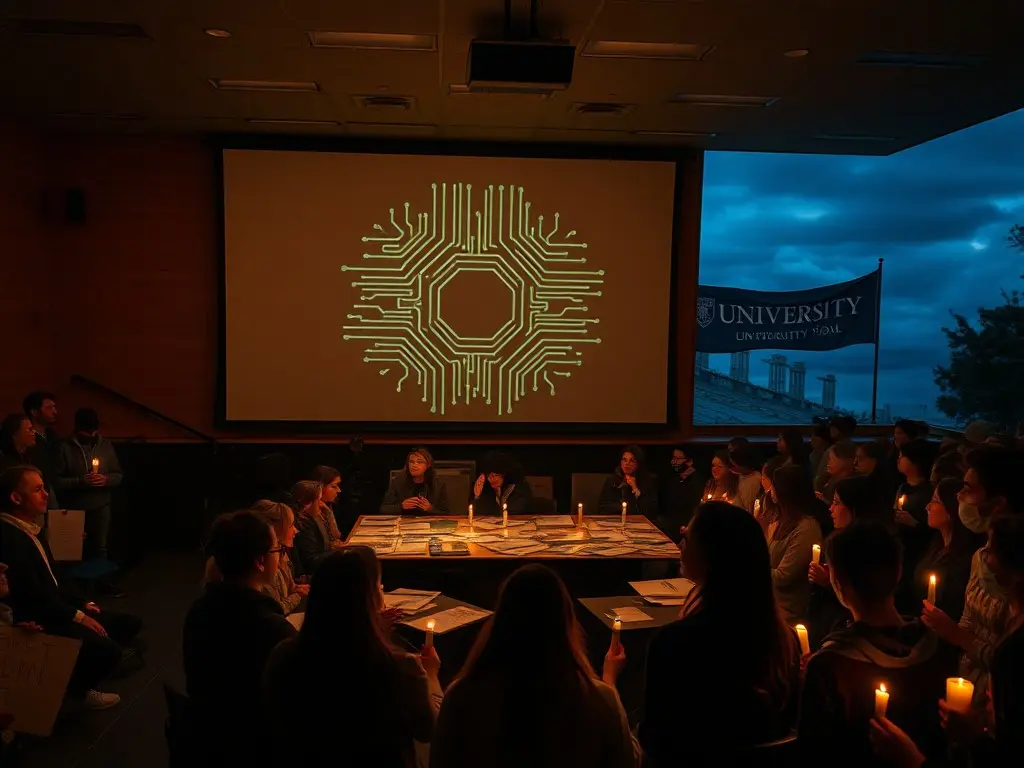
Undergraduates at the University of South Carolina and other U.S. campuses are resisting AI integration, citing concerns over misinformation, job displacement, and academic integrity, while universities push for AI adoption to meet employer demands. Student-led protests, petitions, and demonstrations have emerged as part of a broader backlash against AI advancements on college campuses, reflecting generational skepticism toward the technology’s societal impact.
The University of South Carolina’s $1.5 million partnership with OpenAI, announced last summer, aims to enhance research, time management, and learning support through AI tools. However, students like Brooklyn Tyner, a 20-year-old undergrad, oppose the initiative, calling OpenAI’s ChatGPT a ‘cheating machine’ and warning of environmental harm, misinformation, and job losses. During the university’s first ‘AI Day,’ Tyner organized a protest outside the event, polling passersby on their stance—90% disapproved of the partnership, reflecting student distrust in administrative decisions regarding AI. Student resistance extends beyond South Carolina, with protests like Cassidy Rexroad’s at the University of Indianapolis, where she organized a demonstration against the school’s AI Summit. The event, costing up to $199 to attend, disrupted campus operations, including a wind ensemble’s rehearsal space. Rexroad, 21, argues that AI undermines critical thinking and human connection, values she believes are essential to education. Universities are under pressure to integrate AI into curricula as employers increasingly require AI proficiency from new hires. Jeff Stensland, a spokesman for the University of South Carolina, defends the shift, stating that ignoring AI would harm students’ employability. Yet the push for AI adoption has sparked broader societal pushback, including rural protests against data centers and attacks on OpenAI’s CEO, Sam Altman. The anti-AI movement on campuses mirrors growing public skepticism, with Gen Z students leading resistance through marches, petitions, and performance art. While protests over Gaza and climate change have drawn larger crowds, AI-related demonstrations signal a new front in student activism. The tension highlights a divide between institutional efforts to embrace AI and students’ concerns about its ethical and practical implications for their futures.
This content was automatically generated and/or translated by AI. It may contain inaccuracies. Please refer to the original sources for verification.