India warns of ‘extreme’ heatwave risk as temperatures soar amid looming El Nino conditions
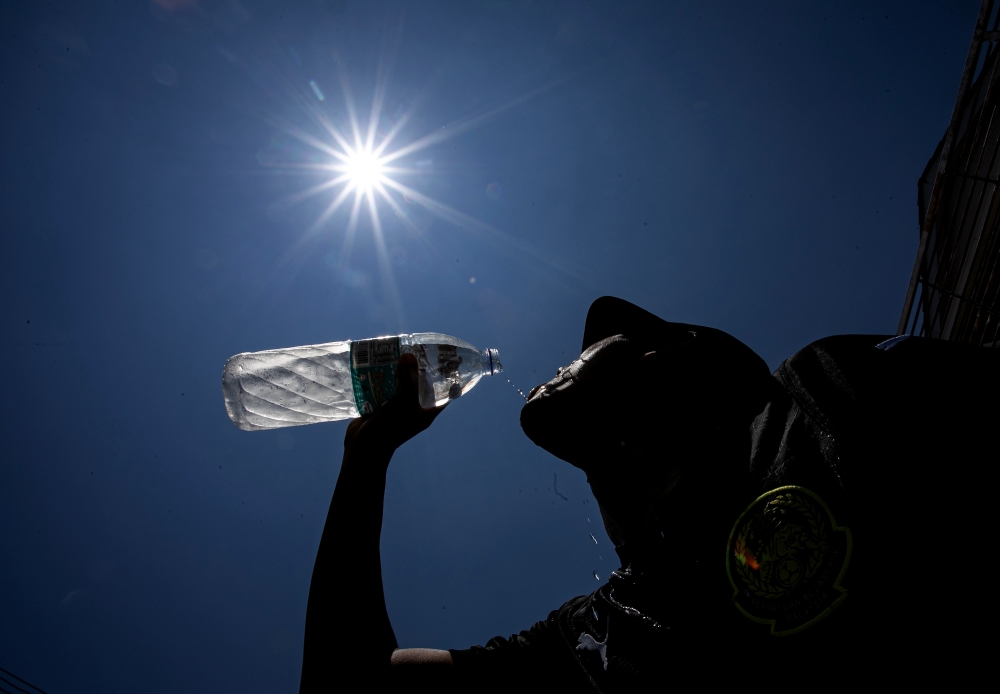
India’s weather agency warned of upcoming 'extreme' heatwave conditions across northwest and central India, with temperatures exceeding 48.2C in Banda, Uttar Pradesh, while linking risks to potential El Nino development. The IMD highlighted past research showing El Nino intensifies heatwaves, with 2023 and 2024 already the hottest years on record globally.
India’s Meteorological Department (IMD) issued a warning on Wednesday about an impending 'extreme' heatwave in northwest and central India, where temperatures have already surged. The highest recorded temperature on Tuesday was 48.2C in Banda, Uttar Pradesh, with New Delhi reaching 44.4C. The IMD advised preventive measures like staying hydrated and avoiding outdoor exposure, sharing health risk guidelines on social media. The agency noted that heatwaves in India are becoming 'longer, stronger, and more frequent,' while referencing a 2022 study linking El Nino patterns to intensified heatwave conditions. Past El Nino events correlated with 'higher heatwave frequency' and 'longer duration' in affected regions. The United Nations’ weather agency previously warned that El Nino conditions could develop between May and July, though the IMD did not explicitly attribute current temperatures to this phenomenon. India’s heatwave season typically spans April to June, with the highest recorded temperature at 51C in Phalodi, Rajasthan, in 2016. Scientists attribute worsening extreme weather to climate change. Last month, air-quality platform AQI reported that all 50 of the world’s hottest cities were in India, with an average peak temperature of 44.7C on April 27—levels considered a public health emergency in Europe. The IMD emphasized the need for preparedness, citing data showing increased temperature anomalies and spatial spread during El Nino years. The warnings follow 2023 and 2024 being identified as the two hottest years globally, partly influenced by the last El Nino event.
This content was automatically generated and/or translated by AI. It may contain inaccuracies. Please refer to the original sources for verification.