India's affordable housing dream hits a luxury roadblock
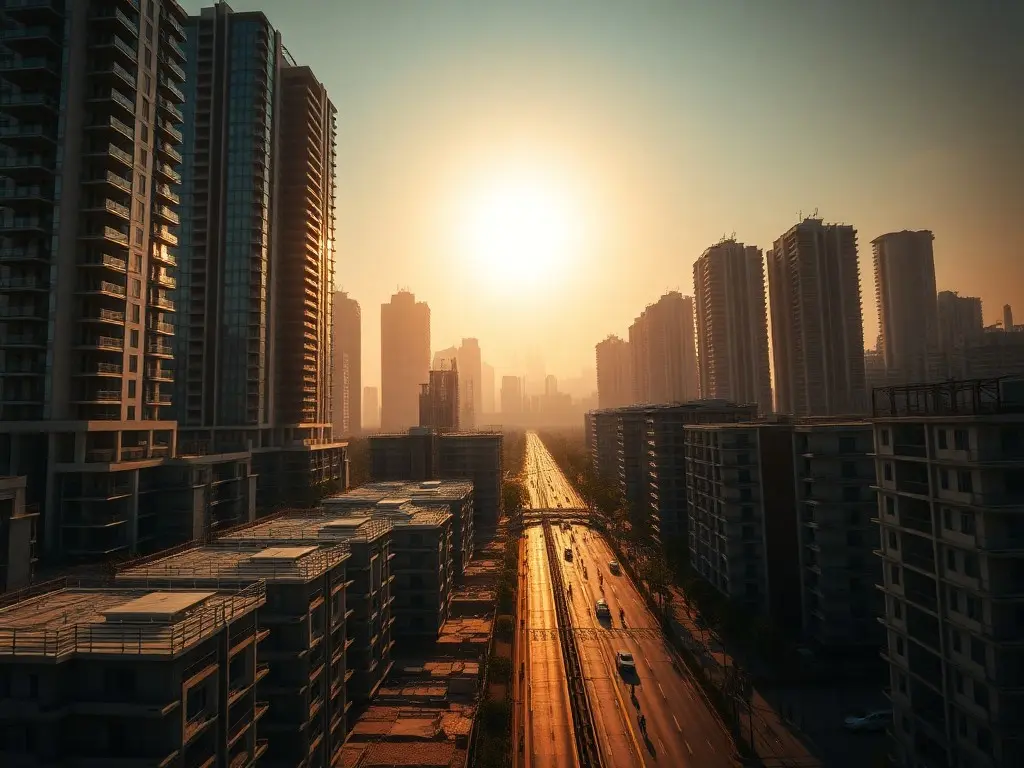
India’s housing market is shifting toward luxury projects despite strong demand for affordable homes, with luxury sales surging 170% in 2024 while affordable housing supply dropped from 38% of sales in 2019 to just 18% in 2025. Experts attribute this shift to rising construction costs, land prices, and slim margins—developers earn only 10–12% profit on affordable housing compared to 25–30% on luxury projects, making premium developments far more viable.
India’s real estate sector is increasingly dominated by luxury housing, even as millions of middle-class families struggle to afford homes. While advertisements and billboards now emphasize sky villas, infinity pools, and premium amenities, the share of affordable housing in total residential sales has plummeted from 38% in 2019 to just 18% in 2025. Meanwhile, luxury housing sales jumped 170% in 2024 alone, reflecting developers’ focus on higher profitability. Santhosh Kumar, Vice Chairman of ANAROCK Group, warns that India faces a critical urban housing shortage of 30 million units by 2030, yet the supply of affordable homes continues to shrink. The economics of building budget housing have worsened, with developers earning only 10–12% margins compared to 25–30% on luxury projects. Rising land costs, construction expenses, and regulatory delays have made affordable housing less financially viable. The government’s price cap for affordable housing, set at Rs 45 lakh since 2017, has also become outdated. Many homes that once qualified now exceed this limit due to inflation and location costs. Kumar notes that even peripheral city areas now surpass the threshold, further reducing affordable options. Experts argue that the shift toward luxury housing is driven by financial pragmatism rather than changing consumer demand. While middle-class buyers still seek affordable homes, developers prioritize projects with higher returns. This mismatch risks deepening India’s housing crisis, leaving millions unable to own property despite persistent demand.
This content was automatically generated and/or translated by AI. It may contain inaccuracies. Please refer to the original sources for verification.