India’s auto market gears up for 23 launches as EVs outpace ICE models
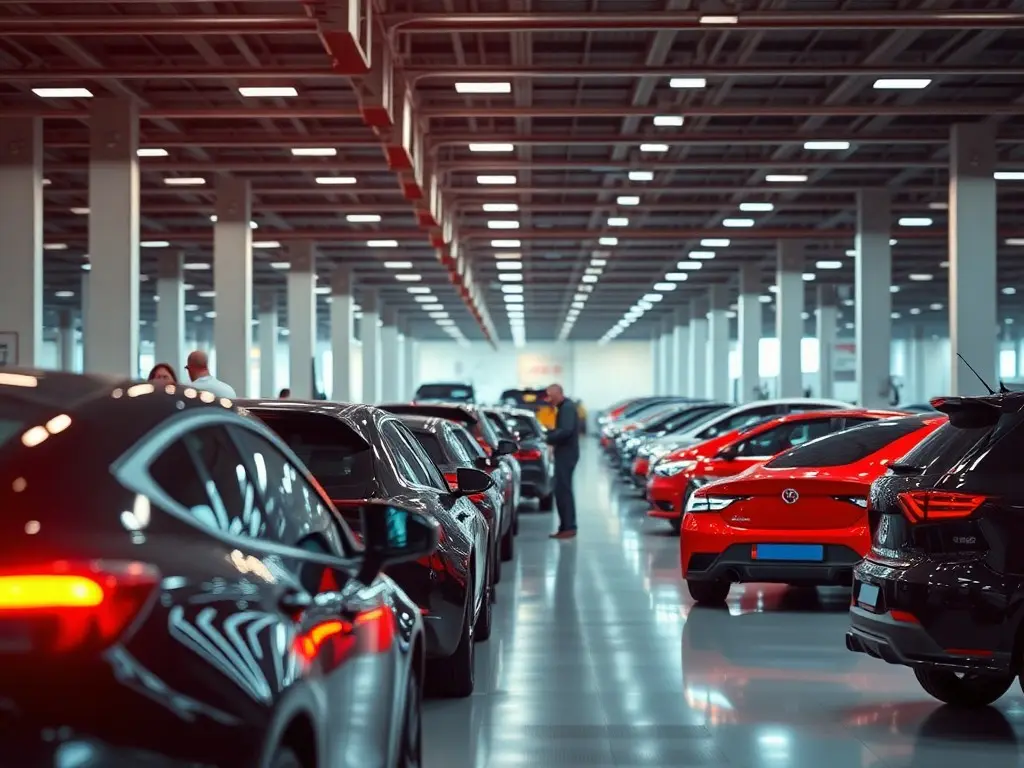
India’s automakers plan to launch 23 new passenger vehicles by March 2024, with 16 electrified models—including 10 battery-electric vehicles—outnumbering seven new internal-combustion engine models. The shift reflects rising demand for EVs, hybrids, and plug-in hybrids amid fuel cost pressures and stricter efficiency norms, spanning entry-level hatchbacks to luxury sedans.
India’s auto market is set for a major launch cycle over the next nine months, with 23 new passenger-vehicle models entering the market, including 16 electrified options. This includes 10 battery-electric vehicles (EVs), four plug-in hybrids, and two hybrid-assisted models, alongside seven new internal-combustion engine (ICE) vehicles. The lineup spans price points from sub-₹10 lakh city cars to ₹2-crore luxury sedans, catering to diverse buyer segments. The cycle began with Mercedes-Benz India launching its S450e, a plug-in hybrid S-Class priced at ₹2.20 crore, offering up to 115 km of electric-only range. The company’s move highlights growing consumer interest in alternative powertrain options. Major automakers, including Toyota, Tata Motors, BYD, MG Motor, Honda, Hyundai, Kia, BMW, Mahindra, and Maruti Suzuki, are participating in the launch cycle, which runs from June to March. Among the early releases are Toyota’s Urban Cruiser Ebella EV and Tata Motors’ Sierra EV, with more electric, hybrid, and plug-in hybrid models expected through the financial year. The trend shows electrification expanding beyond niche markets into entry-level hatchbacks, family SUVs, premium crossovers, and luxury vehicles. For example, BYD’s Seagull, Hyundai’s Inster EV, and Maruti Suzuki’s Fronx EV aim to test electric mobility in India’s largest volume segments, while Tata Motors’ Sierra EV and Honda’s Elevate EV target family buyers in the ₹12 lakh-₹25 lakh range. At the premium end, models like BYD’s Seal U plug-in hybrid, Mercedes-Benz’s S450e, BMW’s upcoming GLC EV, and MG’s IM6 underscore electrification’s shift toward mainstream adoption. Automakers are pursuing distinct strategies: Mercedes-Benz and MG focus on plug-in hybrids, Tata Motors invests in dedicated EV platforms like its acti.ev+ architecture, and Toyota, Honda, and Maruti Suzuki emphasize hybrids as a transitional technology. These approaches reflect an industry diversifying its electrification pathways rather than converging on a single solution. The launch cycle accelerates ahead of Diwali, with key models like Kia’s Syros EV, Honda’s Elevate EV, BYD’s Seagull, MG’s IM6, and BMW’s iX3 expected to debut in the coming months. Additional releases, including Hyundai’s Inster EV, Maruti Suzuki’s Fronx EV, BYD’s Seal U plug-in hybrid, and Tata Motors’ Avinya, are planned before the end of FY27. Behind these launches lie billion-dollar platform investments, such as Tata’s acti.ev+, BMW’s Neue Klasse, and Mahindra’s INGLO architecture, which will shape India’s automotive landscape for the next decade.
This content was automatically generated and/or translated by AI. It may contain inaccuracies. Please refer to the original sources for verification.