India's Chandrayaan-2 discovers fresh underground water reserve on the Moon
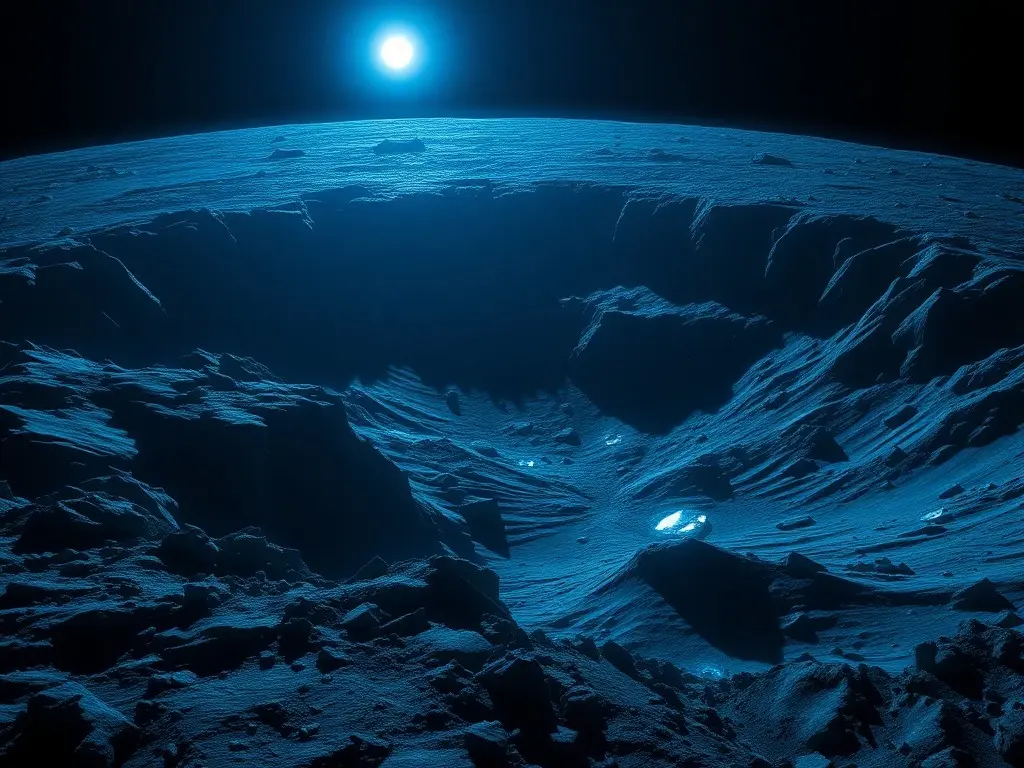
Scientists using Chandrayaan-2 radar data detected strong evidence of buried water ice in ultra-cold craters near the Moon’s south pole, offering a refined method to distinguish ice from rocky terrain. The findings, published in *npj Space Exploration*, highlight four craters with radar signatures consistent with subsurface ice deposits, potentially aiding future lunar missions.
India’s Chandrayaan-2 mission has uncovered compelling evidence of subsurface water ice in permanently shadowed craters near the Moon’s south pole. Researchers from the Physical Research Laboratory analyzed data from the orbiter’s Dual Frequency Synthetic Aperture Radar (DFSAR), focusing on nine doubly shadowed craters within larger craters. These regions remain in near-total darkness for billions of years, maintaining temperatures as low as -248°C, which preserves water ice delivered by comets, asteroids, or volcanic activity. The study, published in *npj Space Exploration*, identified four of the nine craters—including one within the Faustini crater—with radar signatures matching buried ice. High circular polarization ratio values and low depolarization signals in crater F2 suggested interactions with underground icy material rather than rough rocks. This discovery provides a new approach to differentiate ice from lunar terrain, resolving long-standing debates about radar reflections at the Moon’s poles. Water ice is critical for sustaining human exploration, as it can be converted into drinking water, oxygen, and rocket fuel. The Moon’s south pole is now a focal point for NASA, China, and India, all planning missions to the region. Chandrayaan-2’s findings suggest uneven ice distribution, with some craters potentially holding larger reserves, influencing future landing site selections for astronauts. The team, led by Rishitosh Sinha, used advanced radar techniques to peer beneath the lunar surface, confirming the presence of stable ice deposits in these extreme cold traps. These reservoirs could date back billions of years, offering insights into the Moon’s history and supporting long-term lunar base plans.
This content was automatically generated and/or translated by AI. It may contain inaccuracies. Please refer to the original sources for verification.