Inflation at the grocery store may be worse than at the gas pump
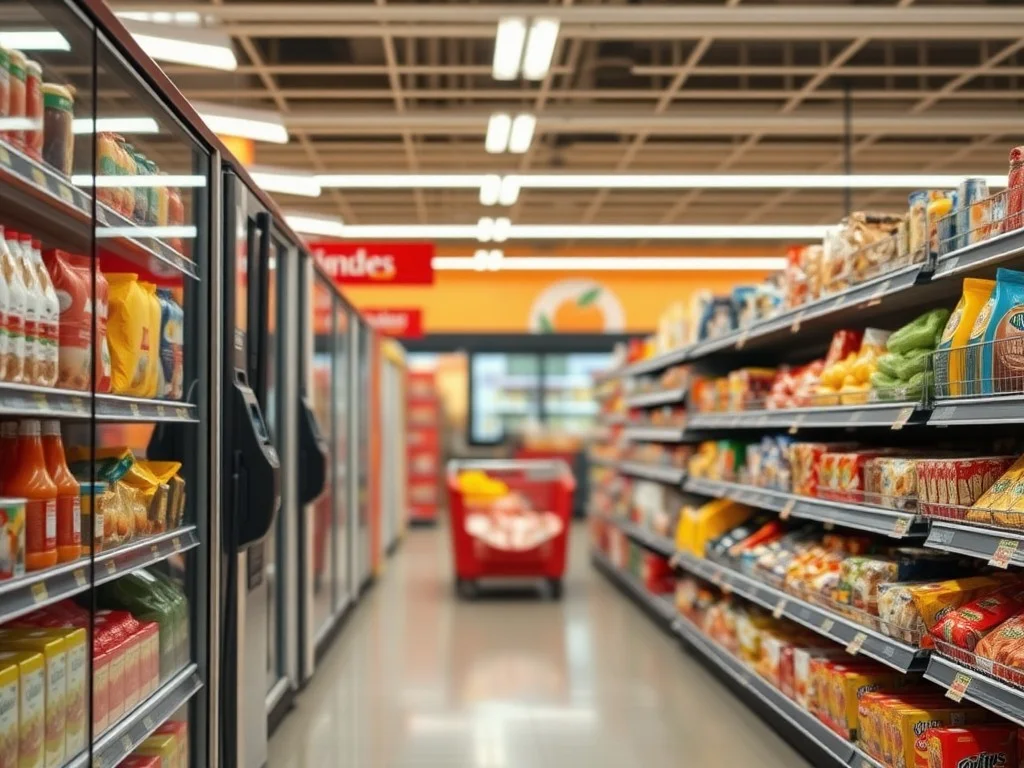
Global food prices rose 2.4% in March due to higher energy and fertilizer costs tied to the Iran war, which may lead to higher grocery prices in the US. The conflict has disrupted critical shipping lanes, driven up oil prices, and constrained fertilizer supplies, posing a risk of sustained or accelerating food inflation into 2027.
Global food prices increased 2.4% in March, driven by higher energy and fertilizer costs. The Iran war has disrupted shipping lanes and driven up oil prices, affecting food production and distribution costs. Energy costs are a significant factor in food production, and higher transportation costs are expected to lead to broader price increases. Fertilizer shortages also pose a risk, as they may reduce crop yields later this year. The US had expected food inflation to ease, but rising oil prices and supply disruptions may push grocery prices higher. The conflict's impact on food inflation will depend on the stability of energy markets and fertilizer flows.
This content was automatically generated and/or translated by AI. It may contain inaccuracies. Please refer to the original sources for verification.