Inside Elon Musk’s AI Ecosystem: How xAI, Tesla, X, Neuralink, and SpaceX Are Converging
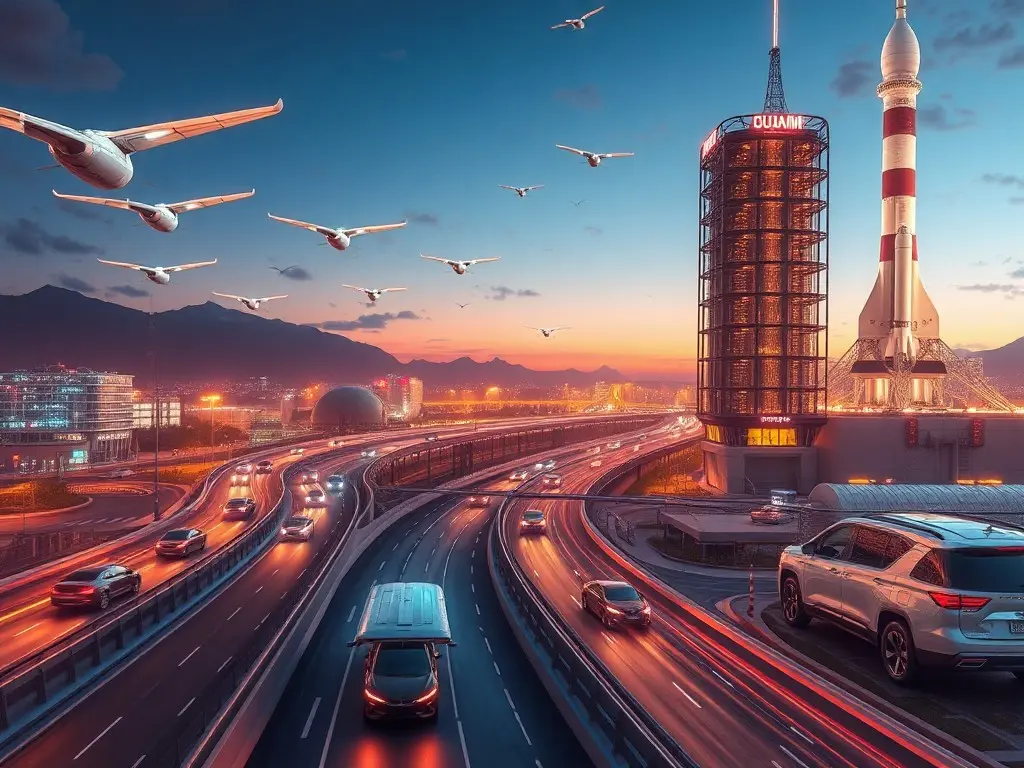
Elon Musk’s xAI, the company behind Grok, is centralizing his AI strategy, integrating with X (formerly Twitter), Tesla, Neuralink, and SpaceX to create a unified ecosystem for AI-driven software, hardware, and real-time data. The $33 billion acquisition of X by xAI in 2025 provides Grok with distribution and real-time data, while Tesla’s robotaxis, Neuralink’s brain implants, and SpaceX’s autonomy systems rely on shared AI infrastructure and decision-making capabilities.
Elon Musk’s AI strategy now unites xAI, X, Tesla, Neuralink, and SpaceX into a cohesive ecosystem. At its core is xAI, launched in 2023 as a competitor to OpenAI, with Grok positioned as a general-purpose AI assistant for consumers, developers, and enterprises. Grok claims to handle reasoning, coding, voice, images, and video, powered by one of the world’s largest AI supercomputing clusters. The AI’s integration across Musk’s ventures—from X’s social platform to Tesla’s robotaxis—creates a unified AI layer, with Grok serving as a bridge between software, hardware, and user-facing applications. X’s acquisition by xAI in 2025, valued at $33 billion, provides Grok with direct access to millions of users and a real-time data stream from public conversations. This merger allows Grok to embed AI tools into X’s platform, enhancing features like search and summarization while feeding AI training with trending topics and user interactions. However, the approach raises concerns about moderation, privacy, and bias, as Grok’s personality-driven design increases visibility for potential errors. Tesla plays a critical role by translating AI into physical applications, such as autonomous vehicles and robotaxis. The company’s AI advancements in robotics and real-time decision-making align with xAI’s capabilities, creating synergies between software and hardware. Neuralink further extends this integration by pushing AI interfaces closer to human cognition, while SpaceX demonstrates autonomy at scale through spacecraft operations. The overarching strategy is vertical integration, where AI infrastructure supports multiple ventures simultaneously. By consolidating data, compute power, and engineering talent across xAI, X, Tesla, Neuralink, and SpaceX, Musk aims to create competitive advantages that competitors cannot replicate. However, the risks—including regulatory scrutiny, technical challenges, and public backlash—are as significant as the ambitions.
This content was automatically generated and/or translated by AI. It may contain inaccuracies. Please refer to the original sources for verification.