Instagram Ends End-To-End DM Encryption
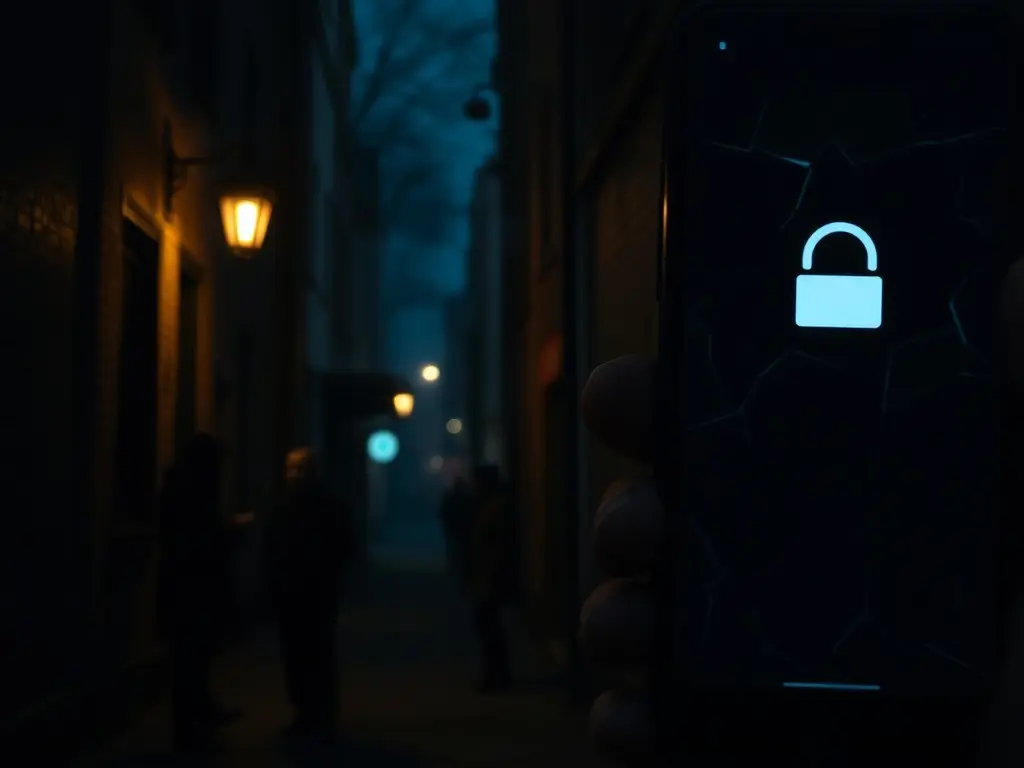
Meta announced it will disable end-to-end encryption (E2EE) for Instagram direct messages starting May 8, 2026, citing low usage, while retaining the feature in Messenger and WhatsApp. The change has drawn support from child protection groups like NSPCC, which argue E2EE allows harmful behavior to go undetected.
Meta has confirmed it will end end-to-end encryption (E2EE) for Instagram direct messages, with the feature shutting down permanently on May 8, 2026. The decision follows a March announcement on Meta’s Support page, where the company stated that E2EE on Instagram will no longer be supported. While E2EE was previously available as an opt-in setting, Meta attributed its removal to a lack of user adoption. The change means Instagram’s 3 billion users will revert to standard encryption, allowing service providers to access message content. Meta will continue offering E2EE in its Messenger and WhatsApp apps, where it remains a default setting. The shift aligns with broader industry trends, where some platforms prioritize accessibility for law enforcement and child safety over absolute privacy. Child protection organizations have welcomed the move, citing concerns that E2EE enables predatory behavior to evade detection. Rani Govender of the NSPCC told the BBC that the feature ‘can allow perpetrators to evade detection, enabling the grooming and abuse of children to go unseen.’ Meta’s spokesperson did not provide further details on alternative safety measures but emphasized that standard encryption will improve monitoring capabilities. Critics may argue that the decision weakens user privacy on Instagram, particularly for activists, journalists, or individuals in high-risk regions. However, Meta’s focus on child safety and regulatory compliance appears to be the driving factor behind the policy shift. The company has not announced plans to introduce alternative privacy tools for Instagram users beyond standard encryption.
This content was automatically generated and/or translated by AI. It may contain inaccuracies. Please refer to the original sources for verification.