Iran builds new system of control in Hormuz with island checkpoints, fees: Report
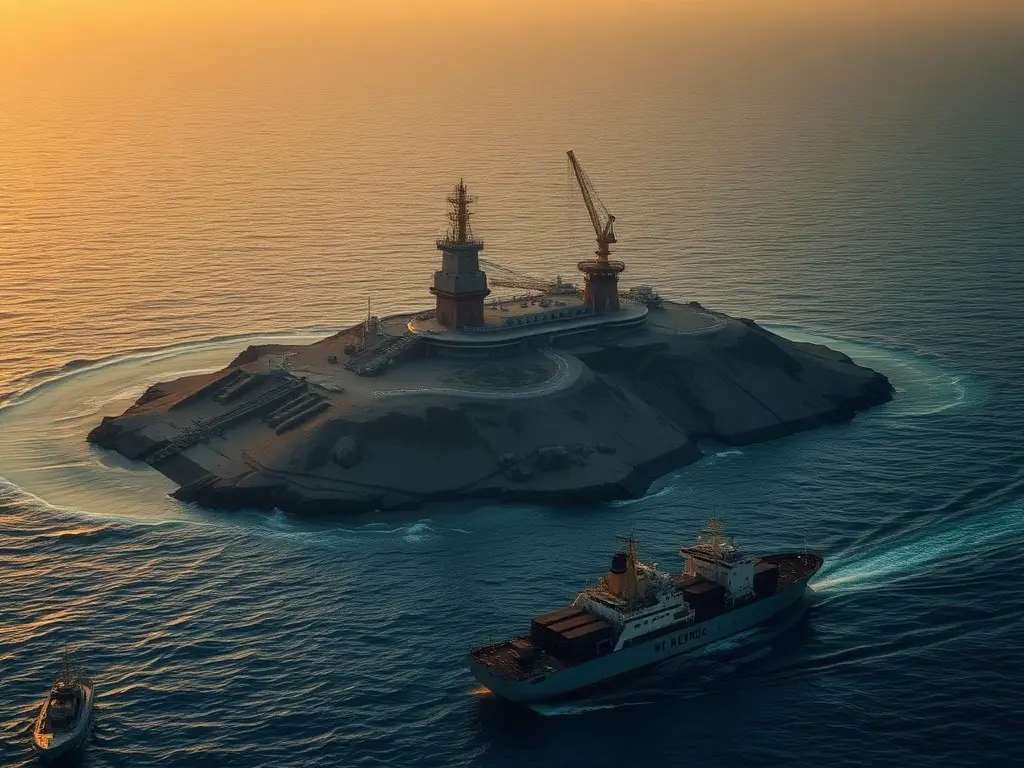
Iran has established a new system of control over the Strait of Hormuz, including island checkpoints and fees, forcing vessels like the Greek-owned Agios Fanourios I to undergo government-to-government negotiations and inspections. The Islamic Revolutionary Guard Corps (IRGC) now plays a central role in regulating passage, disrupting global oil supply routes and causing delays for ships transiting the critical waterway.
Iran has tightened its control over the Strait of Hormuz, a key route for about 20% of the world’s oil supply, by implementing a multi-tiered system requiring government approval, inspections, and sometimes fees for vessel passage. The 330-meter-long Agios Fanourios I, a Greek-owned tanker carrying Iraqi crude oil to Vietnam, was delayed off Dubai in late April before finally transiting the strait on May 10 under direct negotiations involving Iraq’s prime minister. The tanker’s journey revealed how Iran operates its new mechanism: vessels must follow designated routes, undergo vetting by Iranian authorities, and may face inspections by the IRGC. The Agios Fanourios I was stopped by IRGC speedboats near Hormuz Island on May 10, held for hours under suspicion of smuggling, before receiving clearance to proceed. The transit, usually a five-hour passage, stretched into two days due to the delays. Iran’s control has disrupted maritime traffic, leaving around 1,500 vessels and 22,500 sailors stranded in the Gulf by early May, according to the U.S. military. Reuters interviewed 20 sources—including shipping officials, Iranian and Iraqi officials, and maritime experts—to detail how the system works, with the IRGC enforcing passage rules. Some ships report transponder disruptions, while others face direct threats, such as a projectile attack on another vessel the same day as the Agios Fanourios I’s transit. The Iranian government did not respond to requests for comment, but sources suggest political pressure from Iraq and Vietnam may have influenced the Agios Fanourios I’s passage. Konstantinos Sakellaridis, operations manager for Eastern Mediterranean Shipping, stated that no fees were paid but implied Iran may have complied due to external influence. The new system underscores Iran’s ability to leverage the Strait of Hormuz as a strategic chokepoint, impacting global oil markets and shipping operations.
This content was automatically generated and/or translated by AI. It may contain inaccuracies. Please refer to the original sources for verification.