Iran defines Strait Of Hormuz regulatory zone: What the new PGSA means for global trade
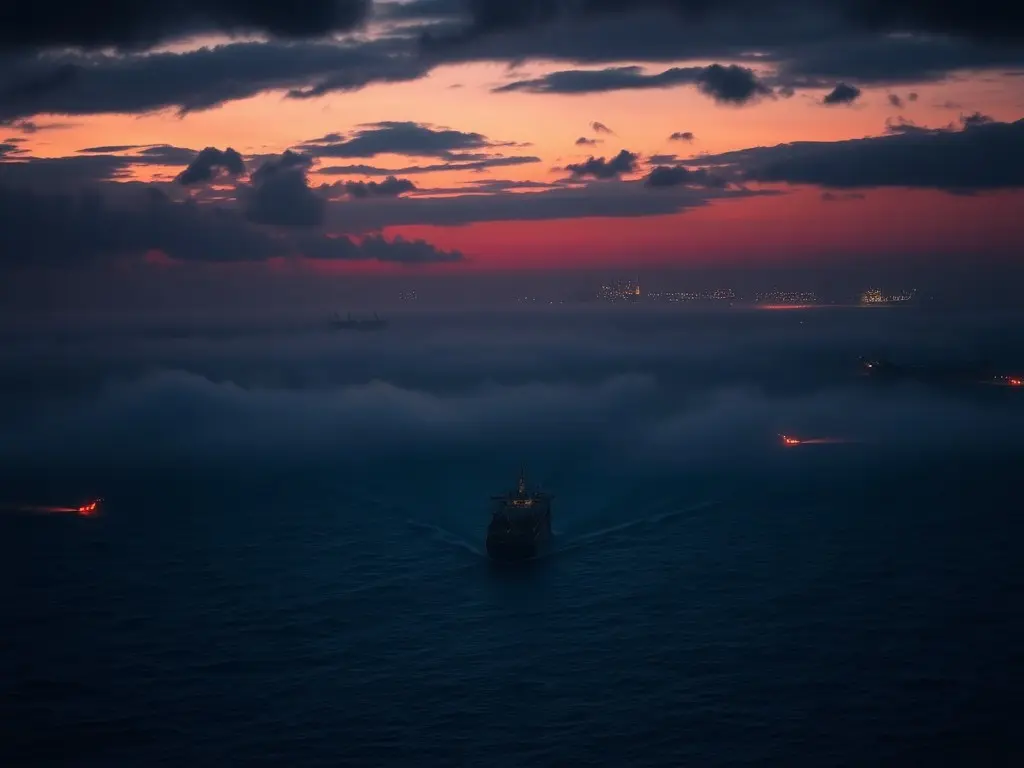
Iran established the Persian Gulf Strait Authority (PGSA) to regulate maritime transit through the Strait of Hormuz, defining a new 'management supervision area' requiring coordination and permits for vessels using communication frequencies in the zone. The move raises concerns under international law, as the strait handles 20 million barrels of oil daily, and Iran’s oversight rules could disrupt global trade and energy markets.
Iran has introduced a new regulatory framework for the Strait of Hormuz, one of the world’s most critical maritime chokepoints, by establishing the Persian Gulf Strait Authority (PGSA). The authority announced a 'management supervision area' covering parts of the strait and surrounding waters, stretching from lines connecting Kuh-e Mubarak to Fujairah in the UAE at the eastern entrance, and Umm Al-Quwain in the UAE to Iran’s Qeshm Island at the western entrance. Vessels using communication frequencies within this zone will require coordination with Persian Gulf waterway management authorities and permits from the PGSA. The announcement follows heightened geopolitical tensions in West Asia and growing concerns over maritime security in the Gulf region. The Strait of Hormuz is vital for global energy trade, with roughly 20 million barrels of oil passing through it daily. The narrow waterway connects the Persian Gulf to the Gulf of Oman and the Arabian Sea, serving as the primary export route for crude oil and liquefied natural gas from major producers like Saudi Arabia, Iraq, Kuwait, the UAE, and Qatar. Iran’s move raises legal questions under the United Nations Convention on the Law of the Sea (UNCLOS), which generally guarantees 'transit passage' rights for international navigation. However, Iran has historically insisted that foreign military vessels seek permission before transiting its territorial waters—a stance disputed by the United States and other Western nations. The UAE has not yet commented on the announcement. The PGSA’s creation marks Iran’s attempt to formalize its oversight role in the strait, though details on its legal powers and international status remain unclear. The new regulations could impact global oil prices, shipping insurance costs, and supply chains if they lead to disruptions or delays in transit.
This content was automatically generated and/or translated by AI. It may contain inaccuracies. Please refer to the original sources for verification.