Iran Is Returning to Nuclear Talks No Longer Afraid of America
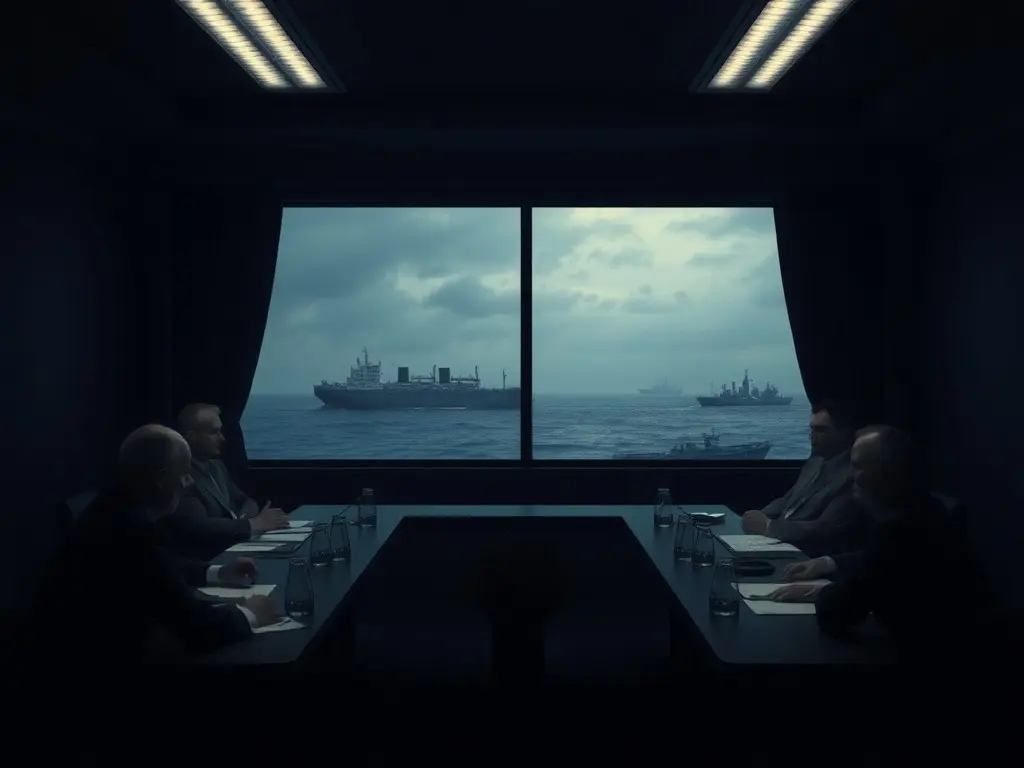
Iran is returning to nuclear negotiations after surviving a 40-day U.S.-led military campaign, now confident in its ability to withstand pressure while leveraging control over the Strait of Hormuz. The talks face challenges as Iran no longer fears American military threats, while economic hardship pushes Tehran to seek sanctions relief despite skepticism over U.S. concessions.
Iran is resuming nuclear negotiations with the U.S. following a prolonged military confrontation that left its regime intact and emboldened. The 40-day campaign of airstrikes, launched on February 28, failed to topple the government or force major concessions, despite targeting senior leadership, including Supreme Leader Ayatollah Ali Khamenei, and damaging military assets. Instead, Iran consolidated power under new commanders and gained leverage by controlling the Strait of Hormuz, disrupting global oil flows. The conflict exposed the limits of U.S. military influence, undermining Washington’s ability to pressure Iran into nuclear concessions. Iran retains a stockpile of highly enriched uranium and has resisted renewed international inspections, while the U.S. has depleted precision munitions and faced restrictions on Israel’s military operations in the region. Analysts warn the talks will be difficult, as Iran no longer fears military retaliation after surviving the campaign. Dania Thafer of the Gulf International Forum noted that U.S. leverage has been removed, leaving Iran with little to lose. Meanwhile, the Iranian economy remains in crisis, with inflation and water shortages fueling protests that the regime suppressed violently in January. Former U.S. officials, including Daniel Shapiro, argue that the threat of military force—once a key bargaining chip—has lost credibility. Iran now sees its ability to absorb punishment as proof it can withstand pressure, reducing incentives for concessions. The U.S. may still offer sanctions relief, but Iran’s newfound confidence and economic desperation could lead to an inconclusive outcome.
This content was automatically generated and/or translated by AI. It may contain inaccuracies. Please refer to the original sources for verification.