Iran-Israel Ceasefire Collapses On Day 100; Missiles, Airstrikes Push Region Toward Wider War
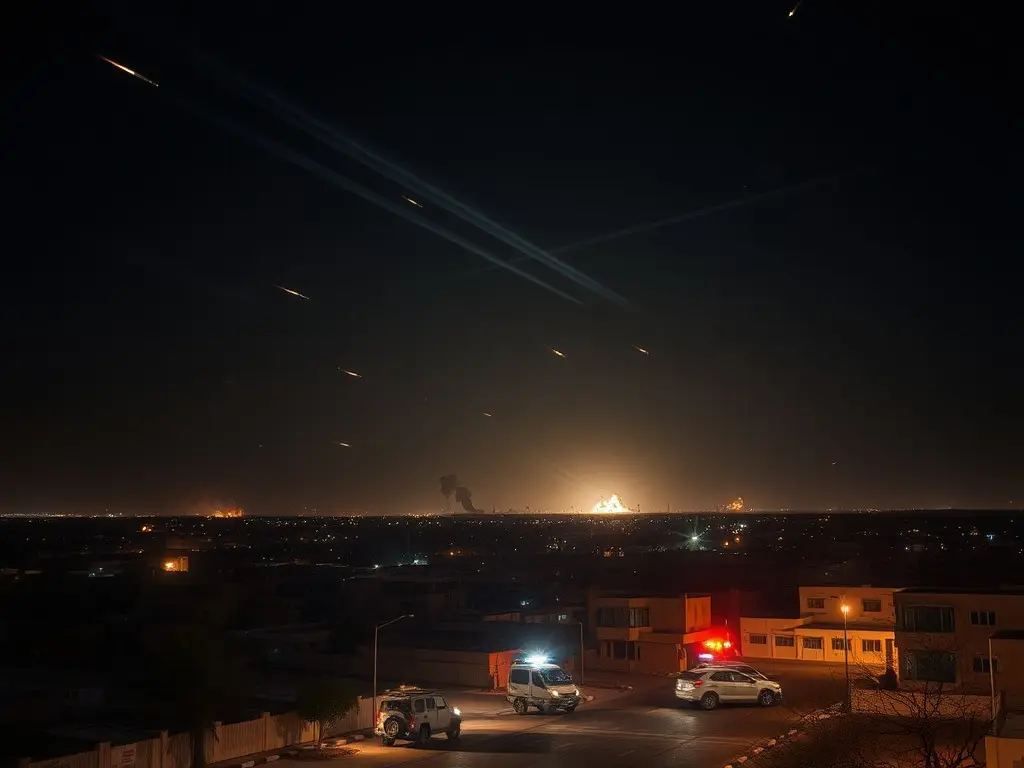
Iran launched a missile barrage at Israel on the 100th day of the ceasefire, collapsing diplomatic restraint and prompting Israeli retaliatory airstrikes across Iran. Tehran accused Israel of violating the ceasefire in Lebanon, while Israel targeted Iranian military infrastructure, escalating fears of a wider regional war.
The ceasefire between Iran and Israel collapsed on its 100th day after Iran launched a major missile attack on Israel, marking the first direct assault by Tehran since April 8. The Israeli military activated air defense systems and reported intercepting at least two missiles, though officials warned of additional barrages. Iran’s Islamic Revolutionary Guard Corps (IRGC) framed the strikes as retaliation for Israeli operations in Lebanon, accusing Israel of violating the ceasefire with phosphorus munitions and targeting Beirut’s Dahiyeh district. Israel responded within hours by conducting airstrikes on Iranian military infrastructure, including explosions reported in Tehran and Isfahan. The IRGC’s Commander, Khatam al-Anbiya, warned of further escalation, stating that Israel’s actions in Lebanon had crossed ‘red lines’ and threatening ‘devastating operations’ against Israeli targets if attacks continued. Iranian state media confirmed strikes on Iranian cities, though no casualties were immediately reported. The breakdown of the ceasefire raised fears of a broader regional conflict, with the Houthi movement in Yemen joining the escalation by targeting commercial shipping in the Red Sea. Diplomats from the U.S. and other global powers intervened urgently to prevent further expansion of the war, which could disrupt oil routes and destabilize West Asia. Israel’s IDF stated that defensive systems were operational but cautioned citizens to remain vigilant as missile threats persisted. Iran’s attack followed weeks of heightened tensions, with both sides accusing each other of ceasefire violations. The escalation underscores the fragile state of regional security, as proxy conflicts and direct military engagements risk drawing in additional actors.
This content was automatically generated and/or translated by AI. It may contain inaccuracies. Please refer to the original sources for verification.