Iran war complicates plans for yet-to-materialise international force in Gaza
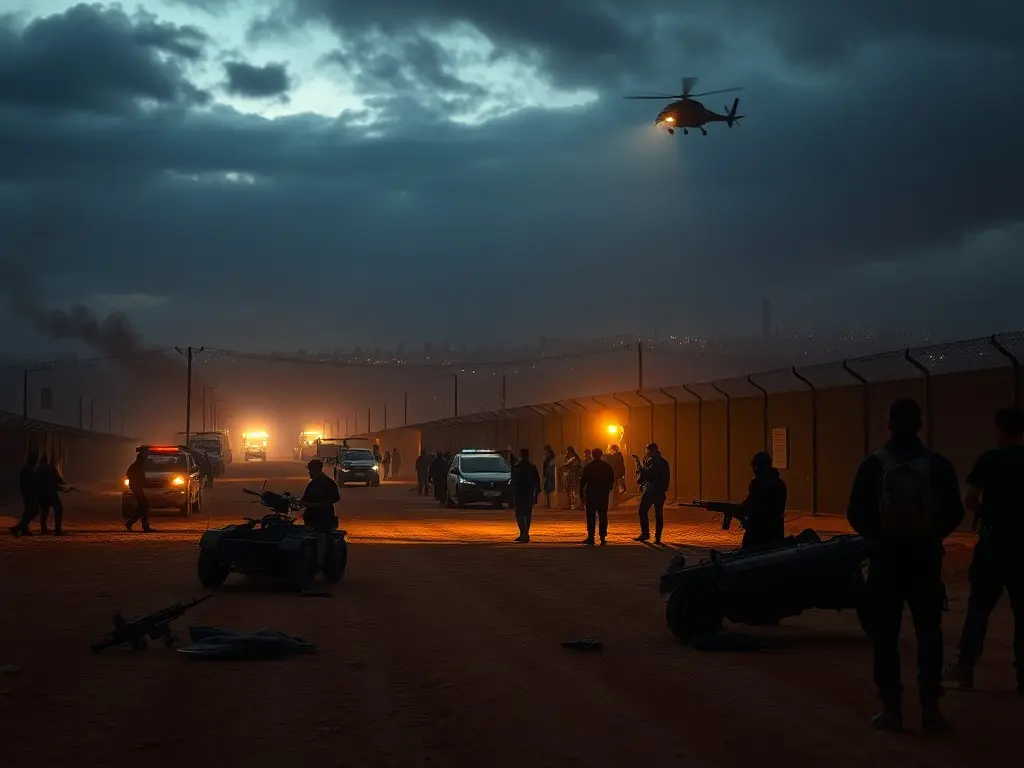
The International Stabilisation Force for Gaza, a proposed 20,000-strong coalition led by US Maj. Gen. Jasper Jeffers, remains stalled as key contributors like Indonesia have suspended their commitments due to the escalating US-Iran conflict. Hamas’ refusal to disarm and Israel’s continued territorial expansion have further complicated ceasefire efforts, leaving the force without operational capacity three months after its announcement at the US Board of Peace meeting in February." "article": "The International Stabilisation Force for Gaza, a 20,000-strong coalition announced in February by the US Board of Peace, has failed to materialize as pledged troops withdraw amid regional tensions. Indonesia, the largest contributor with an 8,000-strong commitment, suspended its plans indefinitely after the US-Iran conflict escalated in late February. Defence Minister Sjafrie Sjamsoeddin cited a lack of implementation guidelines from Washington and shifting regional dynamics, stating the US Board of Peace had been 'left behind' by the intensifying conflict. The delay follows Hamas’ refusal to disarm and Israel’s expanded control over Gaza, undermining ceasefire negotiations. The US military’s Central Command declined to comment, directing inquiries to the Board of Peace, which blamed stalled progress on Hamas’ intransigence. Nickolay Mladenov, the Board’s director, reiterated in May that the force could not deploy without a second-phase ceasefire agreement. Indonesia’s decision reflects broader regional skepticism toward US-led initiatives, fueled by economic strain from global energy crises and public opposition to involvement in the Middle East. The country’s recent losses of four peacekeepers in Lebanon during Israel-Hezbollah fighting have further dampened support for international deployments. Analysts note domestic economic struggles and widespread distrust of the Board of Peace’s effectiveness in addressing Gaza’s humanitarian crisis. The proposed force, intended to ensure 'enduring peace' after the Israel-Hamas war, now faces insurmountable obstacles. With no troops deployed and key backers hesitant, the initiative’s future remains uncertain, leaving Gaza’s fragile ceasefire at risk. The US has yet to provide clear leadership or alternative strategies to revive the stalled mission.
The International Stabilisation Force for Gaza, a 20,000-strong coalition announced in February by the US Board of Peace, has failed to materialize as pledged troops withdraw amid regional tensions. Indonesia, the largest contributor with an 8,000-strong commitment, suspended its plans indefinitely after the US-Iran conflict escalated in late February. Defence Minister Sjafrie Sjamsoeddin cited a lack of implementation guidelines from Washington and shifting regional dynamics, stating the US Board of Peace had been 'left behind' by the intensifying conflict. The delay follows Hamas’ refusal to disarm and Israel’s expanded control over Gaza, undermining ceasefire negotiations. The US military’s Central Command declined to comment, directing inquiries to the Board of Peace, which blamed stalled progress on Hamas’ intransigence. Nickolay Mladenov, the Board’s director, reiterated in May that the force could not deploy without a second-phase ceasefire agreement. Indonesia’s decision reflects broader regional skepticism toward US-led initiatives, fueled by economic strain from global energy crises and public opposition to involvement in the Middle East. The country’s recent losses of four peacekeepers in Lebanon during Israel-Hezbollah fighting have further dampened support for international deployments. Analysts note domestic economic struggles and widespread distrust of the Board of Peace’s effectiveness in addressing Gaza’s humanitarian crisis. The proposed force, intended to ensure 'enduring peace' after the Israel-Hamas war, now faces insurmountable obstacles. With no troops deployed and key backers hesitant, the initiative’s future remains uncertain, leaving Gaza’s fragile ceasefire at risk. The US has yet to provide clear leadership or alternative strategies to revive the stalled mission.
This content was automatically generated and/or translated by AI. It may contain inaccuracies. Please refer to the original sources for verification.