Iran war disruptions spark higher costs and lost income in Bangladesh
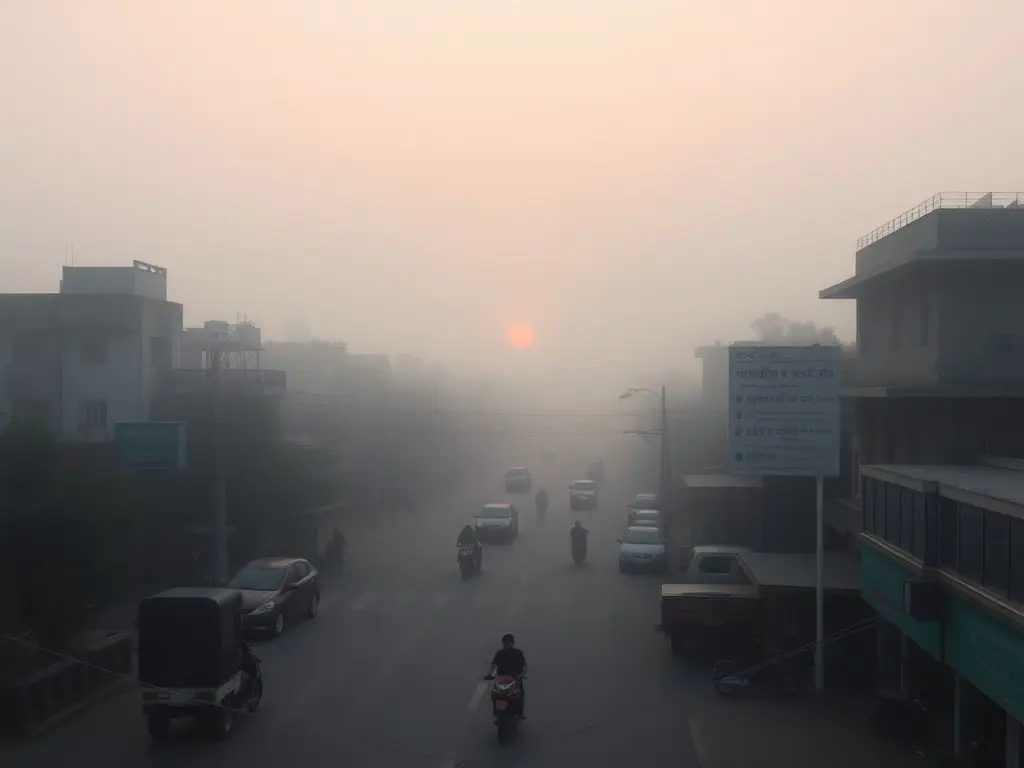
Fuel shortages linked to the Iran war have crippled Bangladesh’s economy, forcing ride-share driver Tariqul Islam to idle his bike for days and slashing household incomes. The government faces $1.07 billion in additional LNG subsidies by June, while the World Bank warns growth will slow to 3.9% in 2025–26 due to inflation and supply chain disruptions.
Dhaka’s Tariqul Islam lost his savings when his clothing business failed and turned to ride-sharing, but fuel shortages tied to the Iran war have cut his income by forcing him to wait in long lines for gasoline. The 53-year-old father of four now runs his motorbike for two days on one tank, leaving him idle for a full day each week—a financial blow in a city where ride-sharing barely sustains his family of six, including two students. Bangladesh’s economy is under severe strain as imported fuel shortages disrupt daily life, slow industrial output, and raise costs across sectors. The government increased fuel supplies recently, easing queues slightly, but concerns persist as global tensions push energy prices higher. The Asian Development Bank revised its growth forecast for developing Asia down to 4.7% in 2026, citing war-driven energy disruptions and rising inflation to 5.2%. The crisis has forced Bangladesh to seek additional fuel supplies from India, while authorities imposed austerity measures, including power cuts in industrial zones, fertilizer factory shutdowns, and fuel rationing. The World Bank warned in April that growth will slow to 3.9% in the fiscal year ending June 2026, with prolonged conflict risking higher inflation, a wider current account deficit, and strained public finances from energy subsidies. Jean Pesme, the World Bank’s division director for Bangladesh and Bhutan, highlighted pre-existing economic vulnerabilities, noting that higher fuel prices could hurt farmers and agriculture. He advised caution in raising costs further, as households and industries already face rising operating expenses and supply chain disruptions. The garment industry, a key export sector, is also suffering as energy shortages slow production and exports decline. With global lenders warning of slower growth, many Bangladeshis, like Islam, fear they may have to return to rural areas if the conflict and economic strain persist.
This content was automatically generated and/or translated by AI. It may contain inaccuracies. Please refer to the original sources for verification.