Iran war spending drains US military budgets, triggering cancelled trainings, delayed maintenance
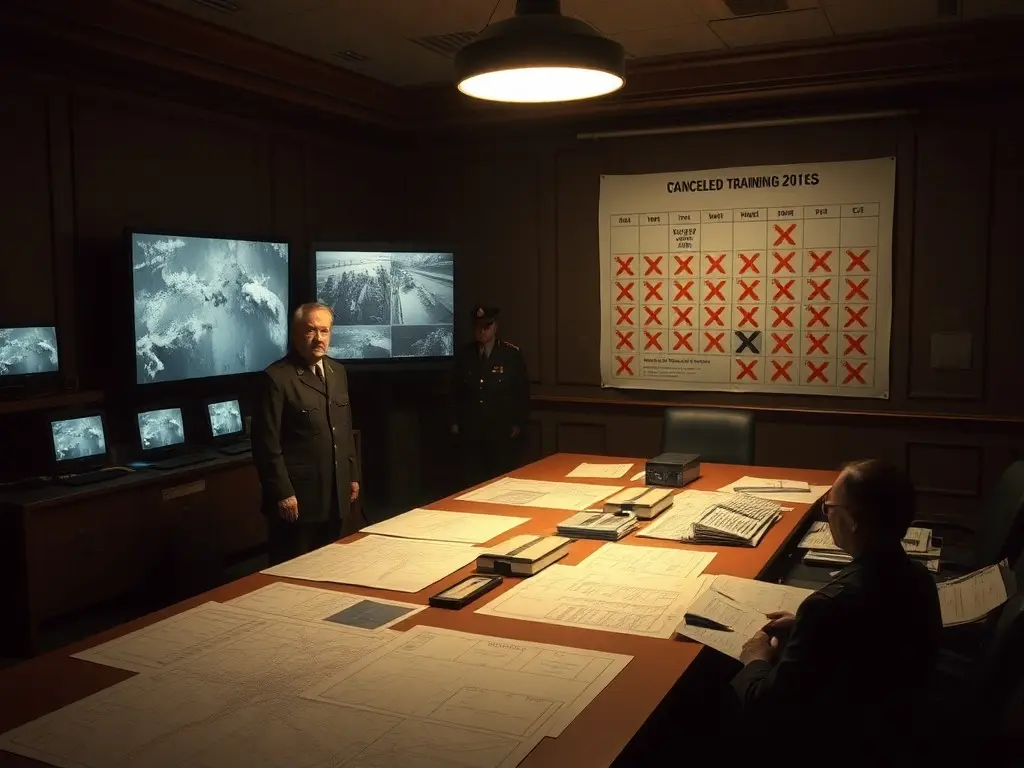
The Pentagon faces budget constraints due to rising costs from operations against Iran, forcing cuts to Navy training programs and Army medical courses, while lawmakers debate supplemental funding requests. Military leaders warn that current funding levels threaten recruiting efforts and operational readiness, with estimated conflict costs ranging from $29 billion to $40-50 billion." "article": "The Pentagon is struggling to maintain routine military operations amid escalating costs tied to its campaign against Iran, with leaders warning Congress that current funding levels are insufficient. Admiral Daryl Caudle, the Navy’s top officer, told lawmakers in May that the 2026 budget did not account for Operation Epic Fury, forcing reductions in training exercises, flight hours, and recruit programs. The Navy risks undermining its record-high recruitment efforts without additional funding for enlistment bonuses and transitioning new recruits from boot camp. The Army’s III Armored Corps in Texas saw a $292 million cut to its training budget in late April, leading to canceled courses and eliminated centralized funding for medical training programs, according to internal memos reviewed by CNN. These cuts reflect broader financial strain, as the Pentagon’s Operations and Maintenance account—used for training, deployments, fuel, and equipment repairs—faces unprecedented pressure. Defense officials estimate the Iran conflict has cost approximately $29 billion so far, though sources suggest the true figure may exceed $40-50 billion when including base reconstruction and other expenses. Early discussions in the Trump administration proposed a $200 billion supplemental request, though no formal figure has been submitted to Congress. Lawmakers have shown no immediate signs of approving additional funding, leaving the military to make difficult trade-offs, such as canceling non-essential travel or delaying maintenance. Air Force Chief General Kenneth Wilsbach testified that the Iran operations have worsened existing readiness issues, while Pentagon comptroller Jules Hurst III acknowledged that current cost estimates exclude long-term rebuilding costs. A defense official noted that funding challenges typically arise late in the fiscal year but have surfaced months early due to rising operational expenses. Without congressional action, military leaders fear further disruptions to training, recruitment, and equipment upkeep.
The Pentagon is struggling to maintain routine military operations amid escalating costs tied to its campaign against Iran, with leaders warning Congress that current funding levels are insufficient. Admiral Daryl Caudle, the Navy’s top officer, told lawmakers in May that the 2026 budget did not account for Operation Epic Fury, forcing reductions in training exercises, flight hours, and recruit programs. The Navy risks undermining its record-high recruitment efforts without additional funding for enlistment bonuses and transitioning new recruits from boot camp. The Army’s III Armored Corps in Texas saw a $292 million cut to its training budget in late April, leading to canceled courses and eliminated centralized funding for medical training programs, according to internal memos reviewed by CNN. These cuts reflect broader financial strain, as the Pentagon’s Operations and Maintenance account—used for training, deployments, fuel, and equipment repairs—faces unprecedented pressure. Defense officials estimate the Iran conflict has cost approximately $29 billion so far, though sources suggest the true figure may exceed $40-50 billion when including base reconstruction and other expenses. Early discussions in the Trump administration proposed a $200 billion supplemental request, though no formal figure has been submitted to Congress. Lawmakers have shown no immediate signs of approving additional funding, leaving the military to make difficult trade-offs, such as canceling non-essential travel or delaying maintenance. Air Force Chief General Kenneth Wilsbach testified that the Iran operations have worsened existing readiness issues, while Pentagon comptroller Jules Hurst III acknowledged that current cost estimates exclude long-term rebuilding costs. A defense official noted that funding challenges typically arise late in the fiscal year but have surfaced months early due to rising operational expenses. Without congressional action, military leaders fear further disruptions to training, recruitment, and equipment upkeep.
This content was automatically generated and/or translated by AI. It may contain inaccuracies. Please refer to the original sources for verification.