Iran war, trade, tariffs – What Donald Trump and Xi Jinping are set to discuss in China
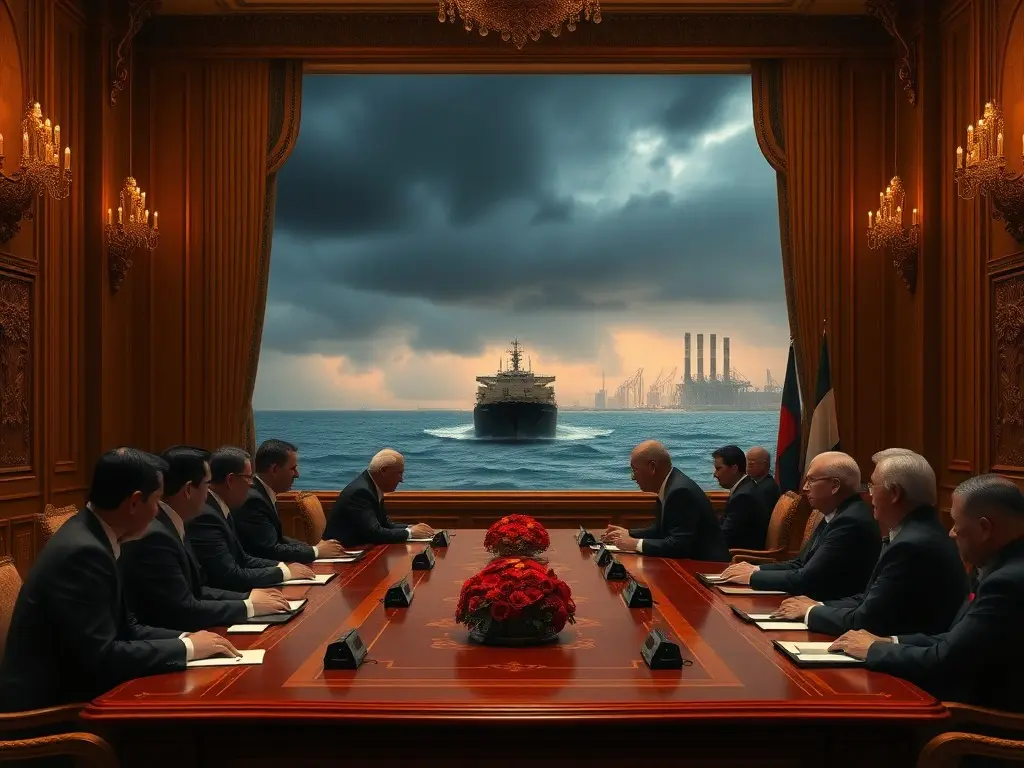
U.S. President Donald Trump arrived in Beijing for a two-day summit with Chinese leader Xi Jinping, focusing on tensions over the Iran war, trade tariffs, and energy security amid concerns about oil disruptions through the Strait of Hormuz. The talks follow a delayed schedule due to the West Asia conflict and include discussions on potential weapons exports from China to Iran, trade détente, and a proposed new board of trade to manage economic ties.
U.S. President Donald Trump arrived in Beijing on May 13 for a two-day summit with Chinese leader Xi Jinping, marking the first visit by a U.S. president to China in a decade. Originally planned for March, the summit was postponed due to the escalating conflict in West Asia. The meetings will include bilateral talks, a state banquet, and a working lunch, concluding on May 15. Key issues dominating the discussions include the Iran war, trade tariffs, and energy security. The U.S.-Israeli conflict with Iran has heightened tensions, with China importing nearly 60% of its crude oil through the Strait of Hormuz—a critical trade route now at risk of disruption. Trump has raised concerns about potential Chinese weapons exports to Iran, citing a recent incident involving a container ship carrying supplies from China. China remains Iran’s largest oil buyer and provides diplomatic support, while the U.S. has sanctioned Chinese firms for transactions with Iran’s government. Trump previously suggested China may have supplied lethal aid to Iran, though Beijing denied involvement. The U.S. will press China to address revenue flows to Iran and potential military assistance during the summit. Trade and tariffs will also be central to the talks. Since Trump took office in 2025, both countries have maintained reciprocal tariffs on each other’s goods, with a temporary truce in October easing some restrictions. Leaders are expected to discuss extending this détente and exploring a new board of trade to stabilize economic relations. Trump has framed trade as a priority, emphasizing business deals while downplaying broader tensions with Xi, whom he claims has a ‘great relationship’ with him. Despite Trump’s optimistic tone, U.S. officials have signaled that Iran’s role in global energy markets and China’s economic ties to Tehran will be closely examined. The summit’s outcome could influence regional stability, energy prices, and the future of U.S.-China economic cooperation.
This content was automatically generated and/or translated by AI. It may contain inaccuracies. Please refer to the original sources for verification.