Iran will no longer accept endless talks. It is creating deterrence on its own terms
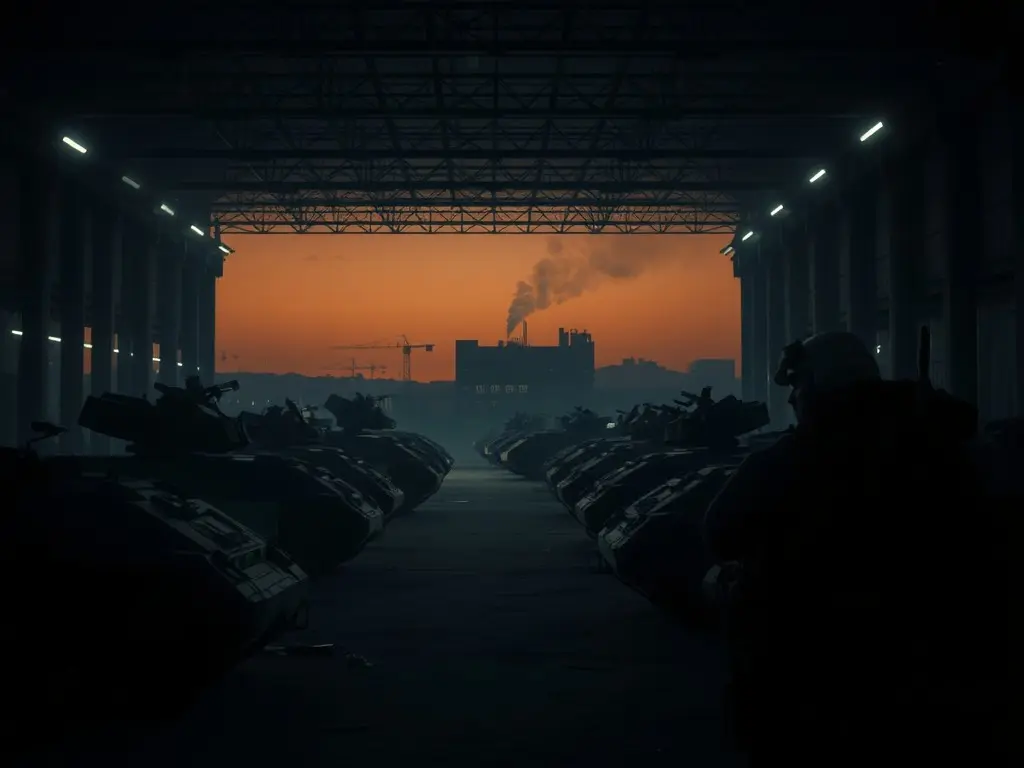
Iran has abandoned reliance on negotiations with the US, instead pursuing self-deterrence after repeated military strikes by the US and Israel damaged its nuclear and military infrastructure. The failures of diplomacy, including the US withdrawal from the 2015 nuclear deal and escalating conflicts, have shifted Iran’s strategy, eroding public trust in restraint and fueling a belief that compliance only increases vulnerability.
Iran’s approach to security has fundamentally changed following years of failed negotiations and military strikes by the US and Israel. After two major US-Israeli attacks in 2025 and 2026, Iran now rejects prolonged diplomatic talks, instead prioritizing self-deterrence. The US and Israel have demanded sweeping concessions from Iran without offering reciprocal measures, such as unfreezing Iranian assets, leaving negotiations stalled. The conflicts have imposed heavy costs on both sides, with over $1 trillion spent by the US, significant damage to military assets, and substantial civilian and military casualties. Yet, the wars have failed to achieve key objectives, including eliminating Iran’s missile capabilities, ending its nuclear program, or forcing political change. Instead, Iran’s strategic outlook has shifted in four critical ways. First, Iran’s strategy of restraint and engagement has collapsed. Despite compliance with the 2015 nuclear deal—including restrictions and inspections—the US withdrew unilaterally in 2018, followed by military strikes. This has left many Iranians viewing diplomacy as a weakness rather than a safeguard. Second, public trust in the US has plummeted, reversing earlier optimism after the nuclear deal, when 68% of Iranians believed the agreement was beneficial and 66% expected economic improvements. Today, Iran’s leadership and public focus less on technical details like uranium enrichment and more on guarantees for security. The central question now is whether accepting new restrictions would provide real protection or further expose Iran to vulnerability. The repeated failures of diplomacy have pushed Iran toward a more assertive stance, prioritizing self-reliance in defense and deterrence.
This content was automatically generated and/or translated by AI. It may contain inaccuracies. Please refer to the original sources for verification.