Is a resumption of Iran war imminent?
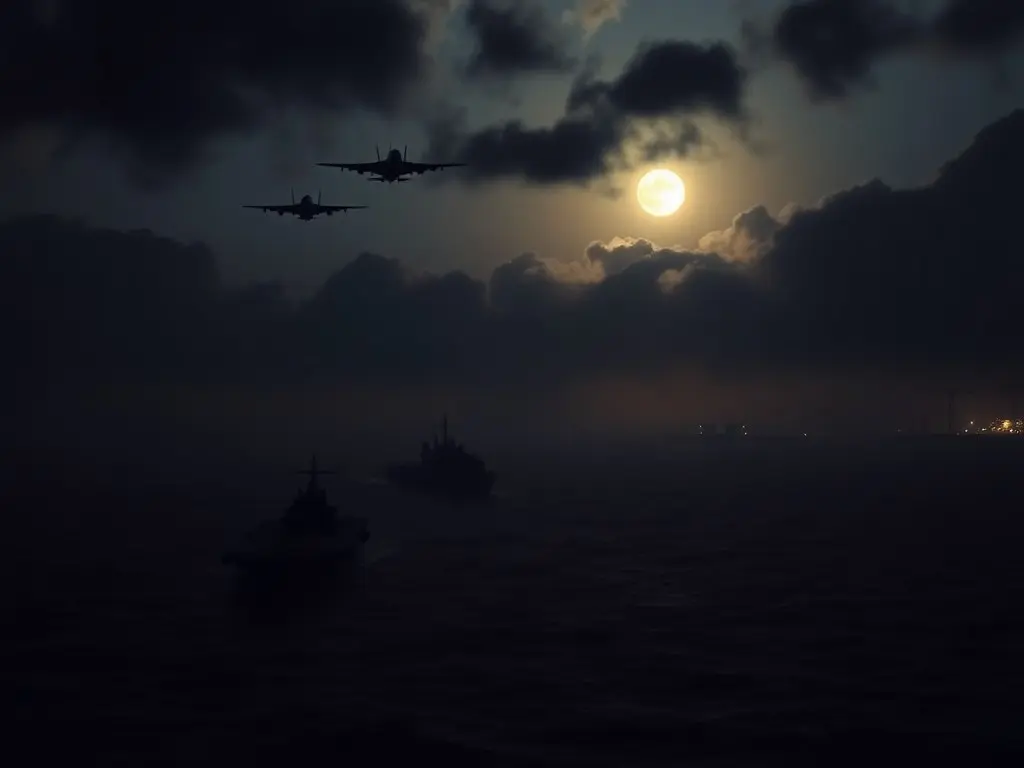
US and Israeli military preparations for renewed strikes against Iran are accelerating, with Operation Epic Fury potentially resuming within days, while diplomatic efforts appear to be collapsing. Reports indicate plans for targeted air strikes, special forces operations on nuclear sites like Isfahan, and threats to global shipping lanes via restored Iranian missile sites in the Strait of Hormuz." "article": "The United States and Israel are intensifying preparations for potential military action against Iran, with reports suggesting Operation Epic Fury—paused last month—could restart within days. US Defense Secretary Pete Hegseth confirmed during a congressional hearing that the military has escalation plans, including intensified air strikes on Revolutionary Guard positions and Iranian military infrastructure. A high-risk scenario under review involves deploying special forces to secure enriched uranium at the Isfahan nuclear facility, which holds around 200 kilograms of uranium enriched to up to 60 percent, according to the International Atomic Energy Agency (IAEA). US intelligence indicates Tehran has restored operational access to 30 of its 33 missile sites along the Strait of Hormuz, raising concerns over threats to global shipping and oil tankers. Meanwhile, former President Donald Trump’s aides have developed plans for renewed military strikes, with Trump dismissing recent Iranian proposals as unacceptable and warning that Iran ‘will either reach an agreement or be destroyed.’ In Israel, officials increasingly believe US-Iran negotiations are failing, prompting discussions on military options, including strikes on energy facilities, industrial infrastructure, and nuclear-related sites. Israeli newspaper Yediot Aharonot reported a heightened state of alert, with speculation that the US may opt for limited, rapid strikes to pressure Tehran. The US maintains a significant military presence in the region, with aircraft carriers USS Abraham Lincoln and USS George H.W. Bush deployed in the Arabian Sea, alongside around 20 warships across regional waters. The recent return of the USS Gerald R. Ford to Virginia after nearly a year at sea—during which it supported Iran-linked operations—does not signal reduced tensions, as routine logistical needs continue. Pakistani Interior Minister Mohsin Naqvi’s visit to Tehran to discuss reviving negotiations has not eased concerns, as diplomatic efforts appear to be collapsing. Middle Eastern officials cited by The New York Times suggest that both Washington and Jerusalem are prioritizing military readiness amid fears of an imminent breakdown in talks.
The United States and Israel are intensifying preparations for potential military action against Iran, with reports suggesting Operation Epic Fury—paused last month—could restart within days. US Defense Secretary Pete Hegseth confirmed during a congressional hearing that the military has escalation plans, including intensified air strikes on Revolutionary Guard positions and Iranian military infrastructure. A high-risk scenario under review involves deploying special forces to secure enriched uranium at the Isfahan nuclear facility, which holds around 200 kilograms of uranium enriched to up to 60 percent, according to the International Atomic Energy Agency (IAEA). US intelligence indicates Tehran has restored operational access to 30 of its 33 missile sites along the Strait of Hormuz, raising concerns over threats to global shipping and oil tankers. Meanwhile, former President Donald Trump’s aides have developed plans for renewed military strikes, with Trump dismissing recent Iranian proposals as unacceptable and warning that Iran ‘will either reach an agreement or be destroyed.’ In Israel, officials increasingly believe US-Iran negotiations are failing, prompting discussions on military options, including strikes on energy facilities, industrial infrastructure, and nuclear-related sites. Israeli newspaper Yediot Aharonot reported a heightened state of alert, with speculation that the US may opt for limited, rapid strikes to pressure Tehran. The US maintains a significant military presence in the region, with aircraft carriers USS Abraham Lincoln and USS George H.W. Bush deployed in the Arabian Sea, alongside around 20 warships across regional waters. The recent return of the USS Gerald R. Ford to Virginia after nearly a year at sea—during which it supported Iran-linked operations—does not signal reduced tensions, as routine logistical needs continue. Pakistani Interior Minister Mohsin Naqvi’s visit to Tehran to discuss reviving negotiations has not eased concerns, as diplomatic efforts appear to be collapsing. Middle Eastern officials cited by The New York Times suggest that both Washington and Jerusalem are prioritizing military readiness amid fears of an imminent breakdown in talks.
This content was automatically generated and/or translated by AI. It may contain inaccuracies. Please refer to the original sources for verification.