Is extreme heat the new normal in Boston? What hitting 102 degrees tells us about climate change
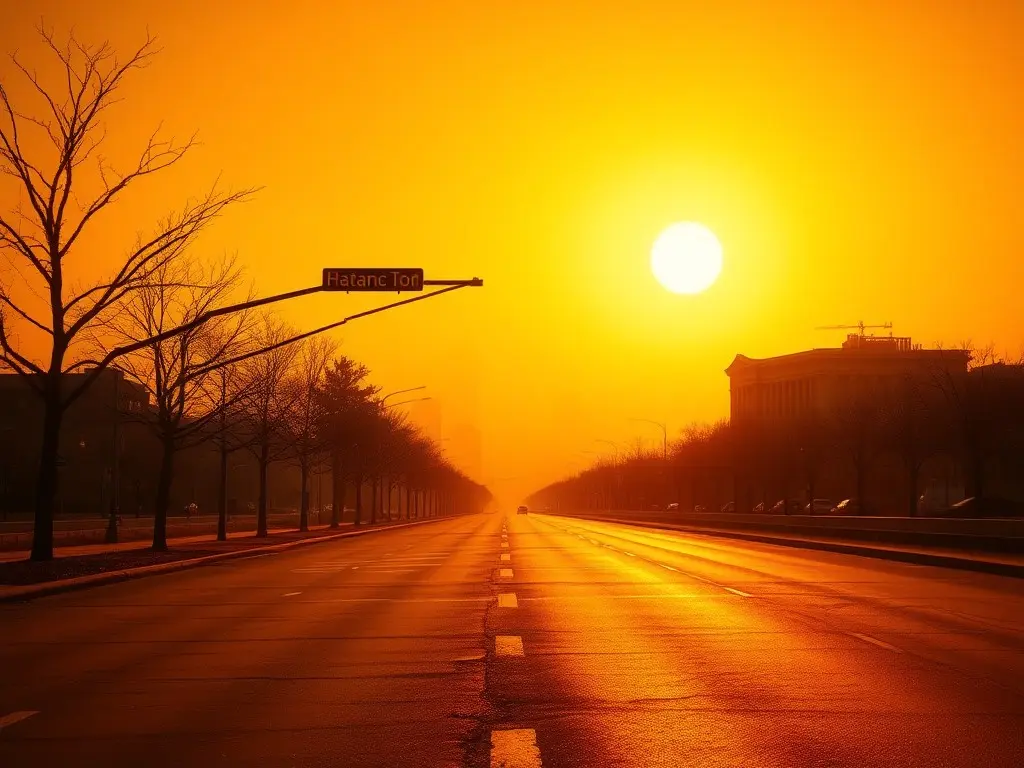
Boston recorded its hottest June day in 152 years at 102 degrees on June 25, 2024, marking a growing trend of extreme heat linked to climate change, with overnight lows rising by over 2 degrees in 50 years. The CDC reports heat as the deadliest weather hazard in the U.S., with over 12,000 heat-related deaths since 2009, while Climate Central projects Boston’s summers could resemble South Florida’s by 2100 if emissions remain unchecked.
Boston hit 102 degrees on June 25, 2024, its hottest June day since 1872, according to the National Weather Service. This extreme heat reflects a broader trend in New England, where rising greenhouse gas emissions are making summers hotter, stickier, and more dangerous. Warmer nights are a critical concern, as Boston’s average summer overnight lows have increased by over 2 degrees in the past 50 years. The Centers for Disease Control and Prevention (CDC) states heat is now the deadliest weather hazard in the U.S., with over 12,000 heat-related deaths since 2009. Vulnerable groups, including the elderly, children, pregnant women, and outdoor workers, face heightened risks from prolonged heat stress. Climate Central’s research shows Boston now experiences about 27 sweltering nights each summer, while extreme heat days are six times more common than decades ago. The Climate Shift Index links these spikes directly to global warming, with higher humidity worsening conditions by making it harder for the body to cool through sweat. Projections warn Boston’s average summer highs could rise by 9 degrees by 2100 if emissions continue unchecked, creating a climate similar to South Florida. The Clausius-Clapeyron Equation explains that for every 1-degree temperature increase, the atmosphere holds 4% more moisture, intensifying humidity and trapping heat. The trend suggests what was once unusual is becoming the norm, with extreme heat shifting from rare events to expected conditions. Experts emphasize the need for action to mitigate warming, as current patterns indicate a future of more frequent and severe heatwaves.
This content was automatically generated and/or translated by AI. It may contain inaccuracies. Please refer to the original sources for verification.