Is India's Population About to Drop? The Surprising Truth Behind the Numbers
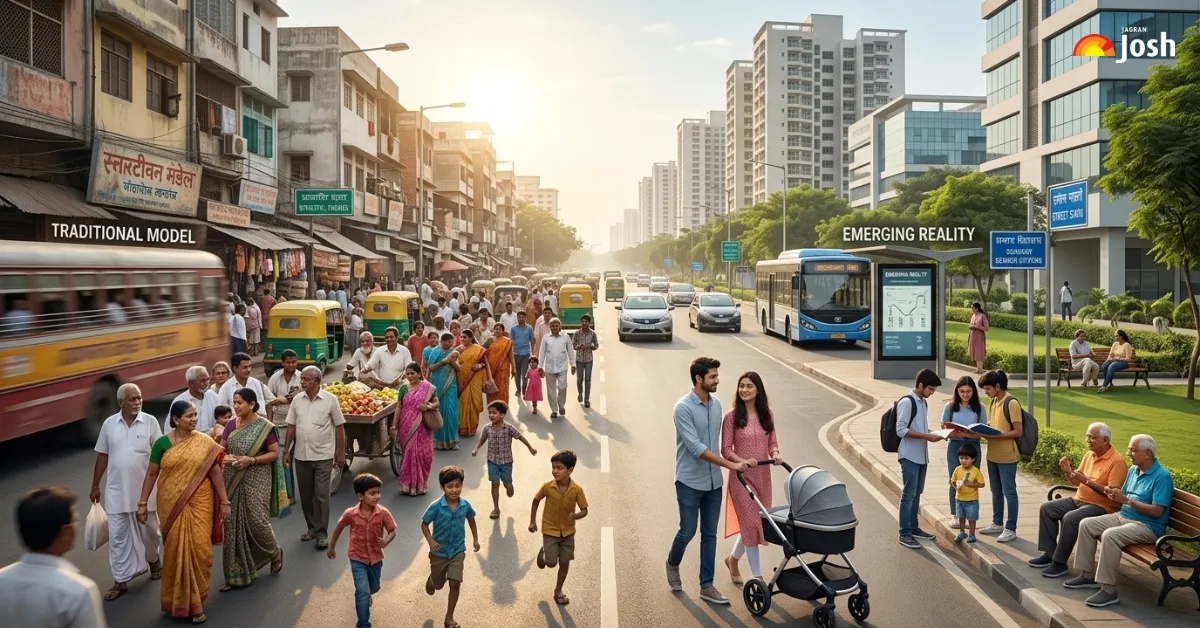
India’s Total Fertility Rate (TFR) has dropped to 1.9, below the replacement level of 2.1, according to the Government of India’s Sample Registration System and NFHS-5 data. The UN projects India’s population will peak at 1.7 billion in the early 2060s before declining, driven by rising female literacy and demographic momentum from a large young adult population still entering reproductive years.
India’s population growth is slowing sharply as its Total Fertility Rate (TFR) has fallen to 1.9, below the 2.1 threshold needed to sustain population stability. The latest data from the Government of India’s Sample Registration System and the National Family Health Survey (NFHS-5) confirm this decline, marking the first time India’s TFR has dipped below replacement levels. The shift reflects broader trends, including rising female literacy and delayed marriages, which have reduced the average number of children per woman. Demographic momentum explains why India’s population continues to grow despite low birth rates. Even with fewer children per couple, the sheer number of young adults in reproductive age means birth numbers remain high relative to deaths. This effect will persist for decades, delaying population decline until the early 2060s, when the UN projects India’s population will peak at 1.7 billion before shrinking. The decline in TFR contrasts with India’s historical growth trajectory, where rapid population expansion strained resources and infrastructure. Economists warn that a shrinking workforce could impact long-term economic growth, though improved education and healthcare may mitigate some challenges. The trend also signals a demographic transition similar to that seen in developed nations, where fertility rates drop as societies urbanize and women gain greater educational and economic opportunities. Experts attribute the fertility decline to increased female education, delayed marriages, and urbanization, which have shifted priorities away from large families. Government policies, such as family planning initiatives, have also contributed to the trend. However, regional disparities persist, with rural areas still reporting higher fertility rates than urban centers. The implications of India’s demographic shift are far-reaching, affecting labor markets, pension systems, and social welfare programs. While a shrinking population could ease pressure on resources, it may also reduce consumer demand and workforce growth. The transition underscores the need for adaptive policies to address both the challenges and opportunities of a changing demographic landscape.
This content was automatically generated and/or translated by AI. It may contain inaccuracies. Please refer to the original sources for verification.