Is US-Iran Creating a New Global Oil Tax Through the Strait of Hormuz?
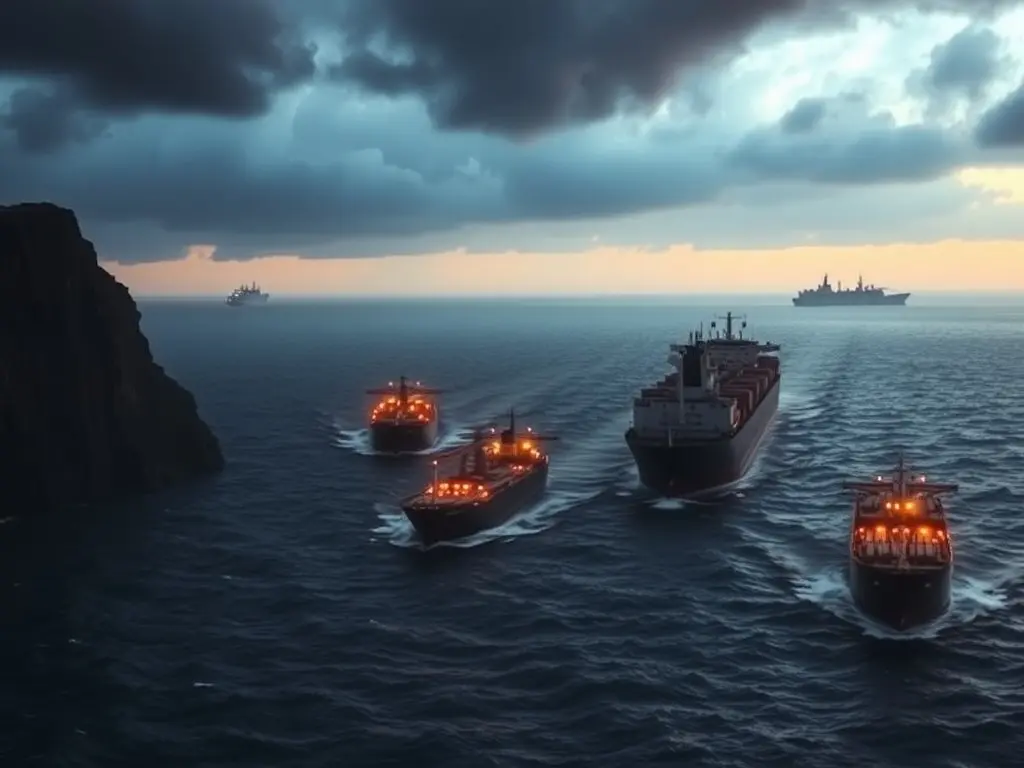
Iran has introduced new 'navigational service fees' for ships passing through the Strait of Hormuz, raising global shipping costs and tensions amid U.S. sanctions. Analysts warn this dual pressure system—combining Iranian transit charges and American restrictions—could disrupt energy markets, trigger inflation, and destabilize supply chains worldwide.
Iran announced new fees for ships transiting the Strait of Hormuz, labeling them as 'navigational service charges' but drawing criticism as a political tool to monetize global trade. The move creates a financial squeeze on shipping firms already navigating U.S. sanctions in the Gulf, forcing tankers to pay costs on both ends. Nearly one-fifth of the world’s oil supply passes through the strait, linking Persian Gulf producers like Saudi Arabia, Iraq, and the UAE to global markets. The combined effect of Iran’s fees and U.S. sanctions risks escalating economic instability, with oil prices and shipping costs surging due to uncertainty. Unlike past crises focused on military confrontations, this conflict centers on economic control of a critical trade route. Iran’s strategy leverages its geographic advantage, using transit fees to pressure rivals while selectively easing conditions for nations aligned with Tehran. The Strait of Hormuz’s strategic importance makes even minor disruptions volatile, as seen in past spikes in crude prices and insurance premiums. Iran’s selective enforcement of fees suggests a deliberate effort to politicize access to the waterway, turning a neutral trade corridor into a tool of geopolitical leverage. Meanwhile, U.S. sanctions and military oversight in the Gulf compound the pressure, trapping shipping companies between conflicting demands. Analysts warn the dual system of fees and sanctions could trigger broader inflation and supply chain disruptions, echoing past economic shocks tied to strait tensions. The crisis highlights how modern geopolitics increasingly weaponizes trade routes, with energy-dependent economies bearing the brunt of the conflict.
This content was automatically generated and/or translated by AI. It may contain inaccuracies. Please refer to the original sources for verification.