Israel launches new strikes on Lebanon
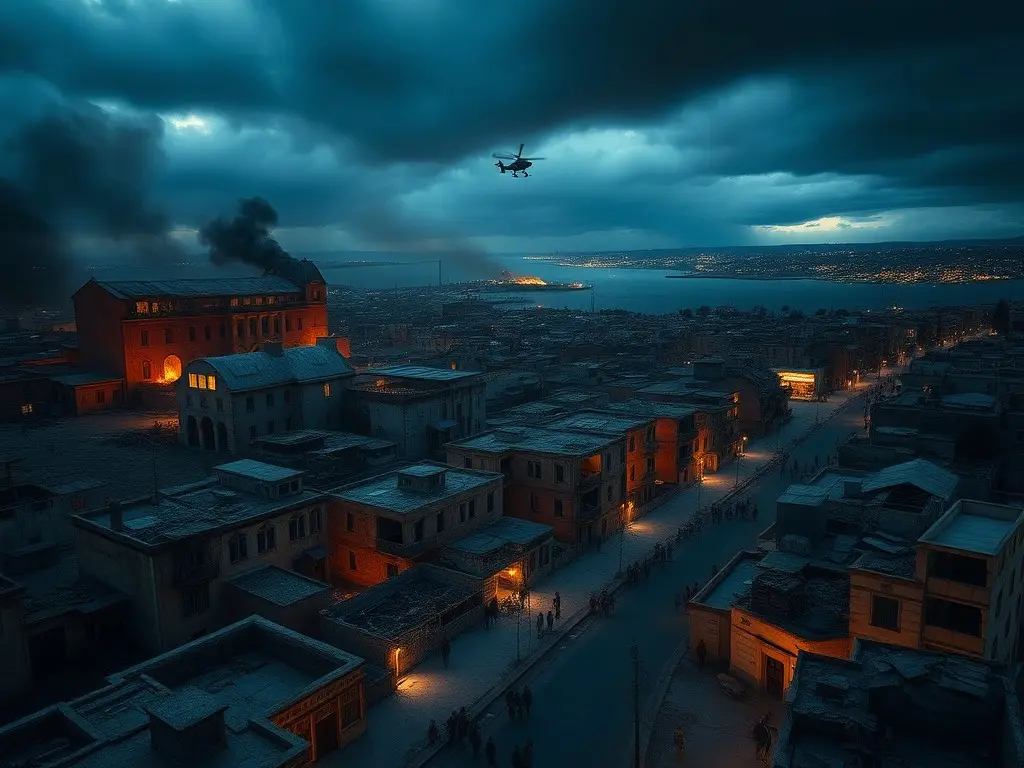
Israel launched fresh strikes on Tyre, Lebanon, issuing a rare evacuation order for its Christian quarter, while Iran warned of retaliation. Tensions escalated as the US and Israel face diplomatic strains, with President Donald Trump claiming a potential Iran deal could be sealed within days, though Iran’s economy worsens due to war-related inflation and poverty risks." "article": "Israel’s military struck the southern Lebanese city of Tyre early on June 9, marking the latest escalation in the conflict with Iran-backed groups. The Israeli Defense Forces issued an evacuation order for Tyre’s historic Christian quarter, a rare move signaling heightened tensions. Iran responded by warning Israel against continuing its offensive, threatening further retaliation if strikes persist. The attacks come amid a fragile ceasefire following a recent exchange of missiles between Israel and Iran, which had risked broader regional war. Tehran has vowed to resume attacks if Israeli operations in southern Lebanon continue unchecked. Meanwhile, the US and Israel face strained relations, with President Donald Trump publicly pressuring Israeli Prime Minister Benjamin Netanyahu over potential strikes on Iran. Trump’s ambassador to Israel acknowledged lingering 'differences' between the allies, while Trump himself claimed a deal with Iran could be finalized within days, insisting it would prevent Iran from acquiring nuclear weapons and reopen the Strait of Hormuz. The economic fallout in Iran deepens as the conflict drags on. Basic goods prices have surged hundreds of times over, pushing millions toward poverty, according to the United Nations Development Program (UNDP). Iran’s per capita income has plummeted from $8,000 in 2012 to $5,000 in 2024, worsened by sanctions, inflation, and corruption. Locals in Tehran describe a 'collapsed' market, with residents like Roya and Mehrnaz struggling to afford essentials amid escalating hardship. France and Italy have taken diplomatic action against Israel’s far-right leadership, barring Finance Minister Bezalel Smotrich and National Security Minister Itamar Ben Gvir from entering their territories. France also banned four settler organization leaders and 21 other individuals, citing concerns over human rights abuses, including allegations of torture and kidnapping against Ben Gvir. Israel’s Foreign Ministry condemned the moves as 'disgraceful,' rejecting foreign interference in its government affairs. The conflict’s ripple effects extend globally, with regional powers and Western allies navigating delicate balances between military pressure and diplomatic solutions. Trump’s promise of an imminent Iran deal contrasts with Iran’s warnings of further retaliation, while Lebanon’s civilian population in Tyre faces displacement and uncertainty. The situation remains volatile, with each side’s actions risking further destabilization in an already fragile region.
Israel’s military struck the southern Lebanese city of Tyre early on June 9, marking the latest escalation in the conflict with Iran-backed groups. The Israeli Defense Forces issued an evacuation order for Tyre’s historic Christian quarter, a rare move signaling heightened tensions. Iran responded by warning Israel against continuing its offensive, threatening further retaliation if strikes persist. The attacks come amid a fragile ceasefire following a recent exchange of missiles between Israel and Iran, which had risked broader regional war. Tehran has vowed to resume attacks if Israeli operations in southern Lebanon continue unchecked. Meanwhile, the US and Israel face strained relations, with President Donald Trump publicly pressuring Israeli Prime Minister Benjamin Netanyahu over potential strikes on Iran. Trump’s ambassador to Israel acknowledged lingering 'differences' between the allies, while Trump himself claimed a deal with Iran could be finalized within days, insisting it would prevent Iran from acquiring nuclear weapons and reopen the Strait of Hormuz. The economic fallout in Iran deepens as the conflict drags on. Basic goods prices have surged hundreds of times over, pushing millions toward poverty, according to the United Nations Development Program (UNDP). Iran’s per capita income has plummeted from $8,000 in 2012 to $5,000 in 2024, worsened by sanctions, inflation, and corruption. Locals in Tehran describe a 'collapsed' market, with residents like Roya and Mehrnaz struggling to afford essentials amid escalating hardship. France and Italy have taken diplomatic action against Israel’s far-right leadership, barring Finance Minister Bezalel Smotrich and National Security Minister Itamar Ben Gvir from entering their territories. France also banned four settler organization leaders and 21 other individuals, citing concerns over human rights abuses, including allegations of torture and kidnapping against Ben Gvir. Israel’s Foreign Ministry condemned the moves as 'disgraceful,' rejecting foreign interference in its government affairs. The conflict’s ripple effects extend globally, with regional powers and Western allies navigating delicate balances between military pressure and diplomatic solutions. Trump’s promise of an imminent Iran deal contrasts with Iran’s warnings of further retaliation, while Lebanon’s civilian population in Tyre faces displacement and uncertainty. The situation remains volatile, with each side’s actions risking further destabilization in an already fragile region.
This content was automatically generated and/or translated by AI. It may contain inaccuracies. Please refer to the original sources for verification.