It Makes No Sense Why U.S. Auto Sales Are Holding Steady, But They Are
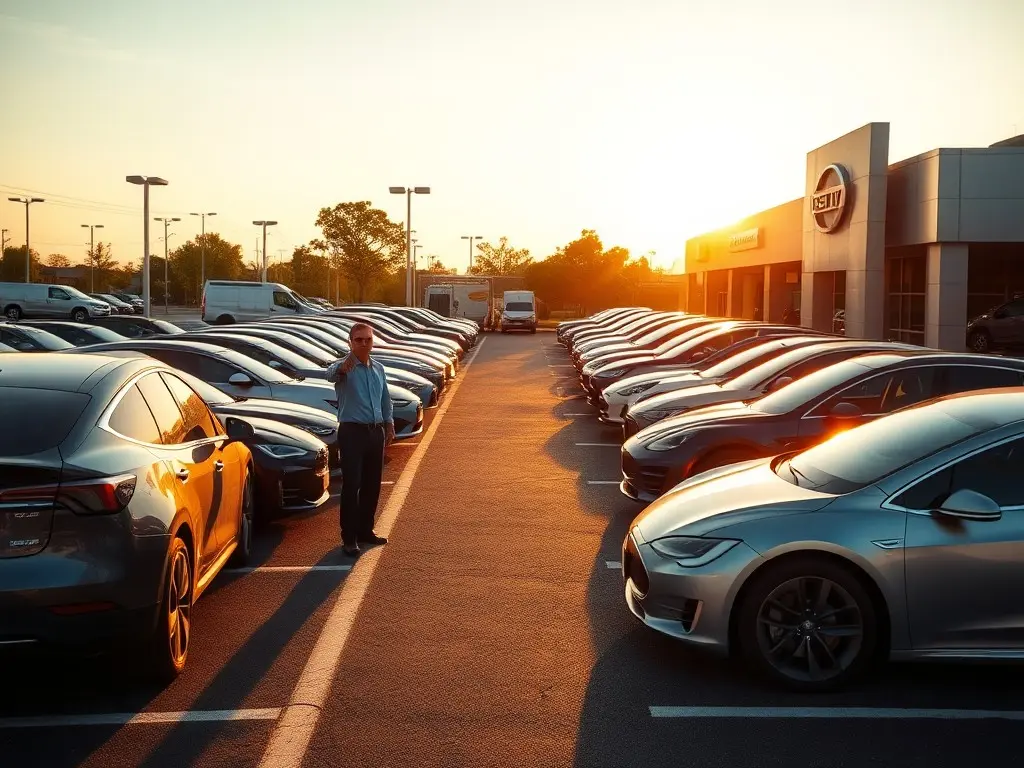
U.S. auto sales remain steady despite high interest rates, inflation, and economic uncertainty, with May 2026 sales projected at 1.44 million vehicles, according to S&P Global Mobility. Analysts attribute resilience to consumer spending habits, though rising transaction prices—now exceeding $50,000—have priced out many buyers, reshaping the market post-pandemic.
U.S. auto sales have defied expectations, holding steady in May 2026 despite economic headwinds like high interest rates, inflation, and declining consumer confidence. S&P Global Mobility projects 1.44 million vehicles sold last month, slightly below March and April but higher than the same period in 2025 for the first time in seven months. Analysts, including Patrick Manzi, chief economist at NADA, cite persistent consumer spending as a key factor, though broader economic indicators—such as a 3.8% year-over-year inflation rise in April and a 16% drop in the Cox Automotive Dealer Sentiment Index—signal potential trouble ahead. The market’s resilience contrasts sharply with traditional economic expectations, as high prices and financial pressures typically suppress demand. Average transaction prices surpassed $50,000 in September 2025, a record driven by supply chain issues, inventory shortages, and the cost of electric vehicles. Jessica Caldwell, head of insights at Edmunds, notes that price hikes over the past six years have effectively priced out millions of potential buyers, narrowing the market to those less sensitive to economic fluctuations. German automakers are struggling amid these conditions, while Tesla continues expanding its Chinese-made EV sales in the U.S. Ford has also announced another recall, adding to industry challenges. Judy Farcus Serra, COO and CFO at Headquarter Automotive, observes a slight uptick in sales as consumers return to dealerships despite hesitation over high costs. However, the long-term sustainability of this trend remains uncertain, with analysts warning that macroeconomic pressures could soon reverse the current stability. The pandemic accelerated structural shifts in the auto industry, insulating it somewhat from broader economic downturns. Supply constraints and consumer demand for larger vehicles contributed to sustained prices, but the exclusion of price-sensitive buyers may limit future growth. As inflation and interest rates persist, the industry’s ability to maintain sales volumes could face increasing strain, particularly if consumer confidence continues to decline.
This content was automatically generated and/or translated by AI. It may contain inaccuracies. Please refer to the original sources for verification.