Japanese toilet maker Toto ramps up its ceramics for AI chipmakers
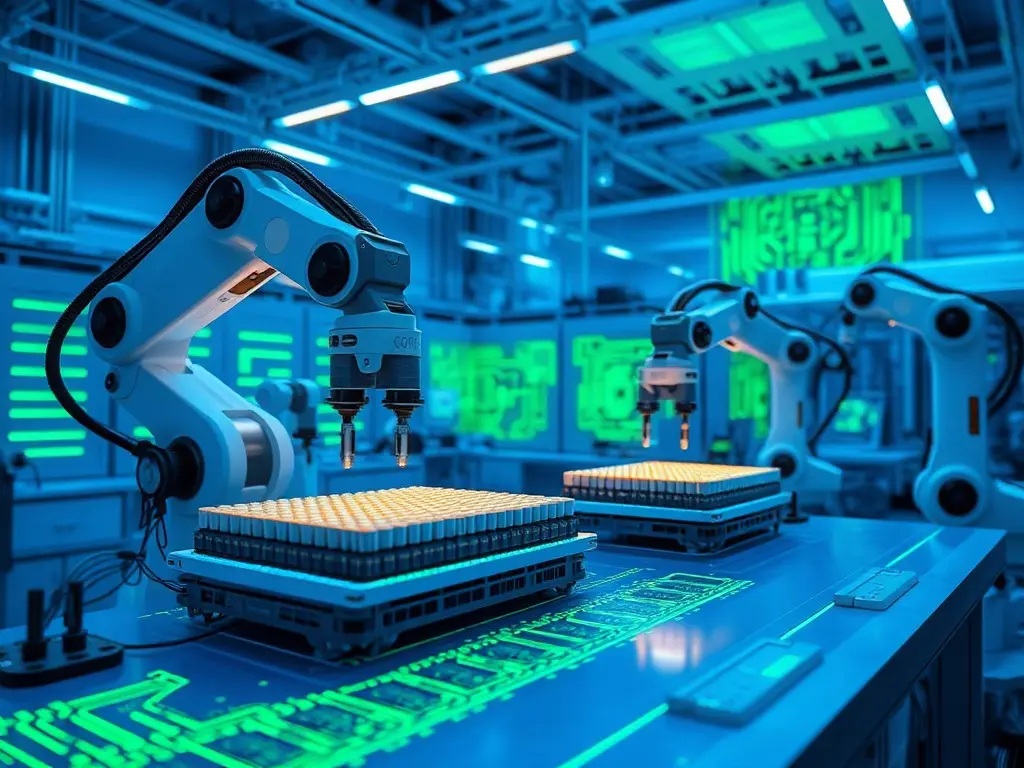
Toto Ltd., a Japanese toilet manufacturer, is shifting focus to AI-driven chipmaking, allocating over half of its capex to semiconductor-related operations like electrostatic chucks and corrosion-resistant ceramics. The company’s shares surged 11% in Tokyo after investors recognized its undervalued role in AI memory supply chains, with plans to expand production capacity and invest ¥30 billion ($190 million) this fiscal year.
Japanese toilet manufacturer Toto Ltd. is redirecting its business strategy toward AI chipmaking, with semiconductor-related operations set to account for more than half of its total capital expenditure in the coming years. The company’s expertise in ceramics—originally developed for toilet bowls—now supports high-demand materials like electrostatic chucks, which secure silicon wafers during chip fabrication, and aerosol deposition films that combat corrosion in semiconductor substrates. Toto’s shift comes as AI-driven demand surges globally, lifting sales in its chip-related segments. The company’s fiscal year ended March saw semiconductor-related capex at 11%, but Chief Technology Officer Ryosuke Hayashi confirmed a major reallocation following expansions in the US and China. Profits from new business domains have already surpassed those from its traditional housing equipment operations, attracting investors like UK activist firm Palliser Capital, which urged Toto to accelerate semiconductor investments. Shares of Toto jumped 11% in Tokyo on June 3, marking its largest intraday gain in over a month. The company plans to invest approximately ¥30 billion ($190 million) this fiscal year, focusing on ramping up production of electrostatic chucks. Despite challenges like equipment depreciation and exchange rates, Hayashi emphasized steady sales growth in this high-margin sector. Toto’s entry into the chip supply chain dates back to the 1980s, leveraging its ceramic material expertise. Its aerosol deposition films, for instance, reduce particle contamination and corrosion in semiconductor substrates, while electrostatic chucks ensure wafer stability during fabrication. Analysts like SBI Securities’ Koki Takada predict further demand growth as chiplet-based designs increase manufacturing complexity. The company’s traditional bathroom fixtures business faces cost pressures from geopolitical conflicts in West Asia, which have raised prices for petrochemical byproducts like resins and plastics. However, Toto’s semiconductor operations have stabilized since partial automation of production lines in 2020, improving profitability and resilience during market downturns. Hayashi highlighted that advanced ceramics and materials will remain critical as chip designs evolve, noting that resins and metals alone are insufficient for next-generation demands. Toto’s strategic pivot reflects broader industry trends, positioning the company as a niche but vital player in AI-driven semiconductor innovation.
This content was automatically generated and/or translated by AI. It may contain inaccuracies. Please refer to the original sources for verification.